
01
Material Feeding
Feed material moves from the left-side conveyor into the upper inlet of the pulverizing chamber.
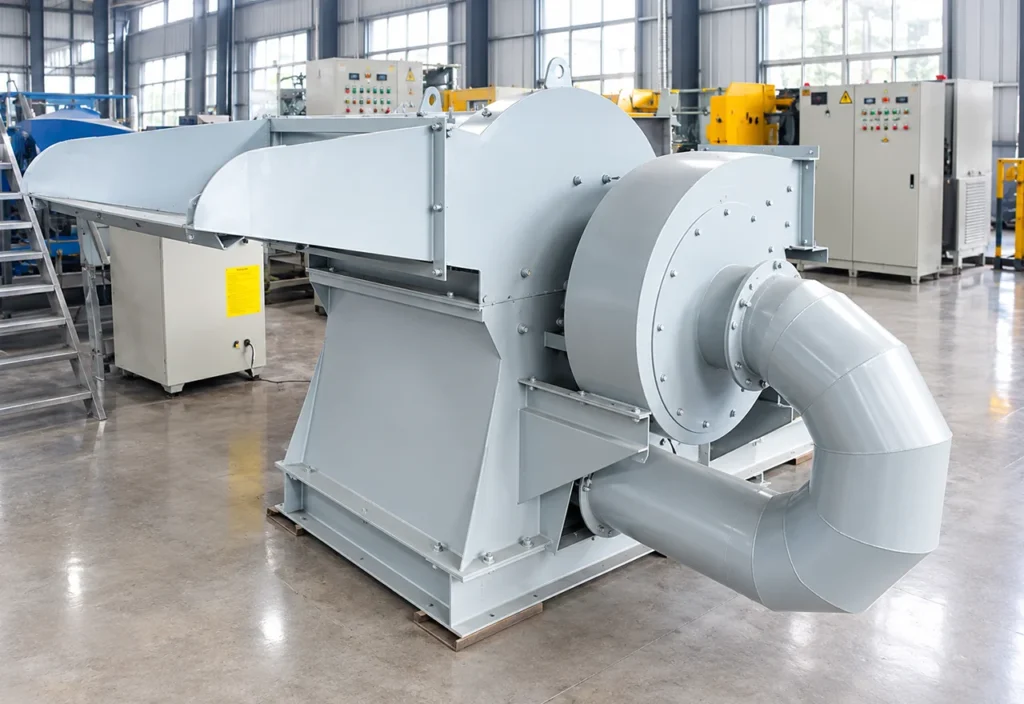
The Industrial Pulverizer is a fine-grinding and material-liberation machine that combines blade-based pulverizing, centrifugal regrinding, air classification and pneumatic conveying for prepared battery, PCB, electrode-sheet and composite recycling fractions.
A downstream fine-grinding stage after primary or secondary crushing.
The Industrial Pulverizer combines blade-based pulverizing, centrifugal regrinding, air classification and pneumatic conveying for prepared recycling fractions.
It is designed for difficult-to-grind material requiring further size reduction after primary or secondary crushing. The integrated system supports particle-size refinement, classification, enclosed transfer and downstream collection or separation.
Selection principle: material composition, upstream particle size, target fineness, required capacity and dust-control requirements must be reviewed together.
02 / Operating Principle
Feed material enters from the left-side conveyor and is directed into the pulverizing chamber, where high-speed impact progressively reduces the particle size. The refined material then moves downward for discharge while induced airflow assists the transfer of lighter particles toward the downstream ducting.
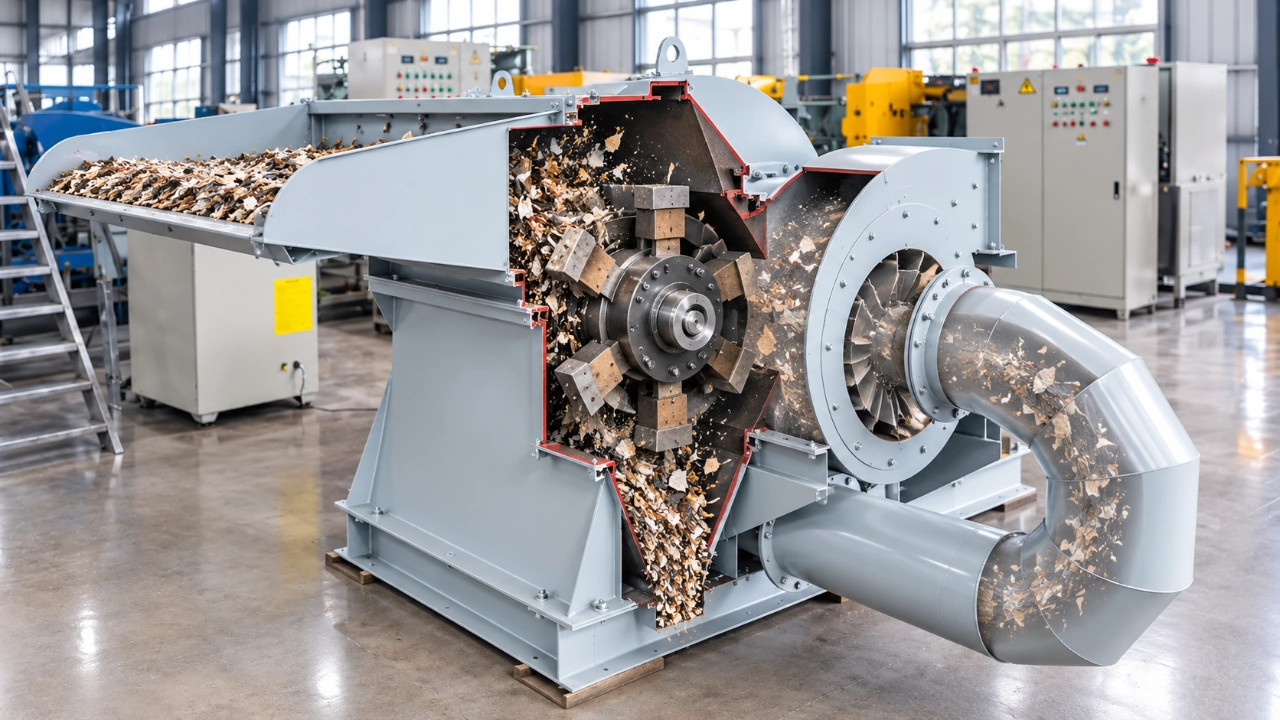
Feed material moves from the left-side conveyor into the upper inlet of the pulverizing chamber.
The high-speed rotor and impact elements repeatedly strike the incoming material inside the main pulverizing zone.
Material continues through the lower chamber as repeated impact further reduces the particles before they fall toward the discharge area.
Processed material leaves the pulverizing section while induced airflow helps carry lighter particles through the connected discharge duct.
Prepared printed circuit board material, subject to composition and feed-condition review.
Prepared positive electrode sheet fractions suitable for the selected configuration.
Prepared negative electrode sheet fractions suitable for the selected configuration.
Prepared lithium-battery recycling fractions after safe upstream treatment.
04 / Machine Architecture
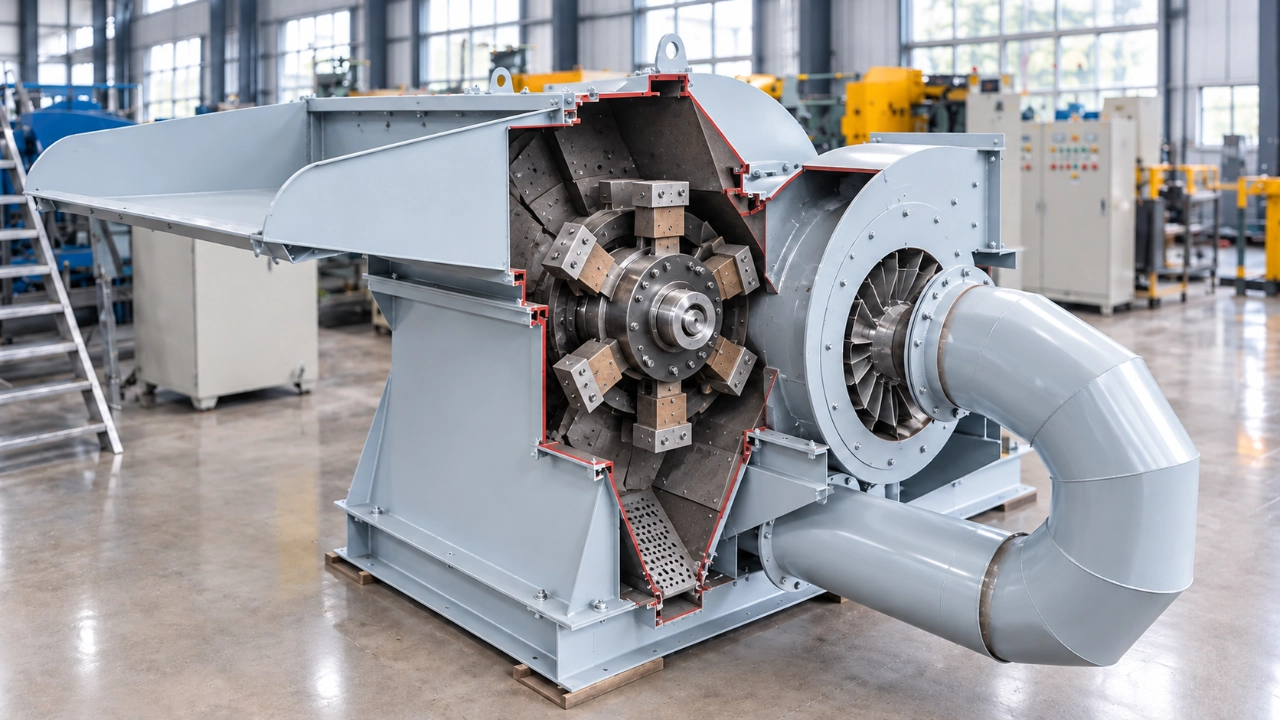
Draws prepared material from the inlet side into the pulverizing chamber for continuous processing.
The central rotor carries the primary grinding elements and provides the high-speed impact needed for pulverization.
The surrounding chamber redirects particles back toward the active grinding area for repeated size reduction.
The fan-side classification section uses induced airflow to guide finer particles away from the grinding chamber.
The connected duct carries processed fine material toward downstream collection or separation equipment.
The reinforced outer housing encloses the grinding assembly and supports a stable, protected internal structure.
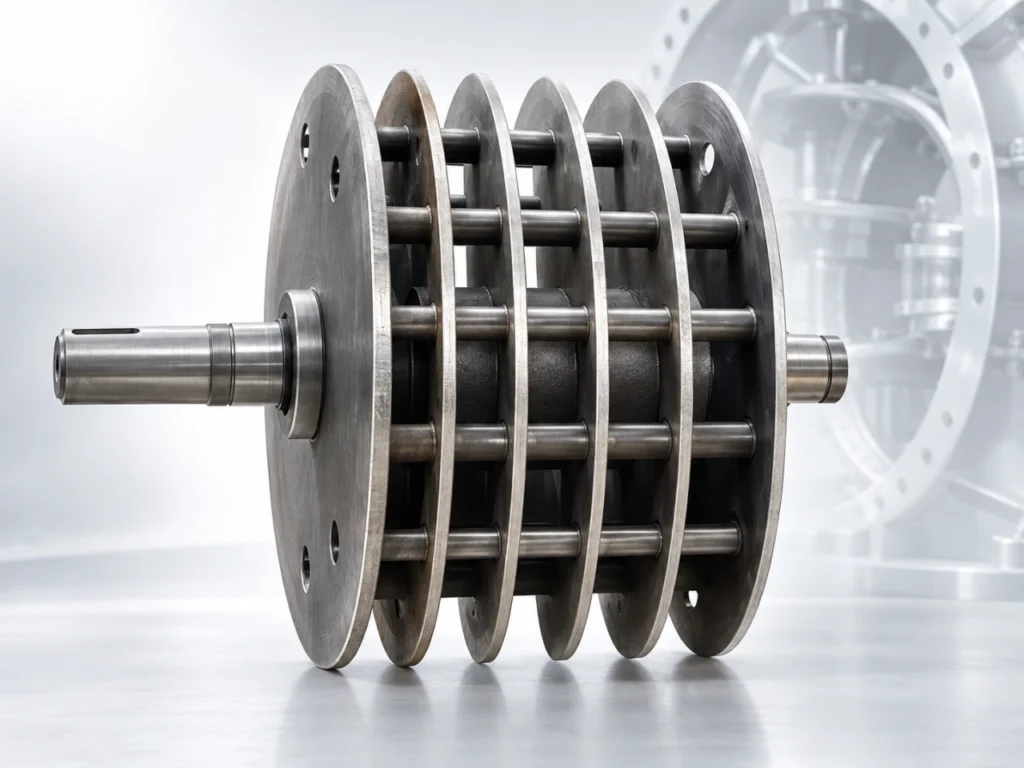
High-speed rotor impact provides the primary size-reduction action inside the grinding chamber. Material is repeatedly exposed to the active grinding zone for progressive refinement, while induced airflow assists the movement of sufficiently fine particles toward downstream collection.
Source lists model, capacity, motor power, dimensions, target fineness, airflow and feed-size limits as engineering confirmation required. No verified numeric table exists. Do not copy Double-Shaft Shredder or Hammer Crusher values.
Fine grinding of prepared printed circuit board fractions after material review.
Processes prepared positive or negative electrode sheet fractions.
Refines safely prepared lithium-battery recycling fractions.
Supports further liberation of approved composite recycling fractions.
No. A hammer crusher performs medium or secondary impact crushing. The industrial pulverizer provides further fine grinding, centrifugal regrinding, air classification and pneumatic transfer.
No. Coarse particles remain in or return to the regrinding zone, while finer particles leave with the airflow after classification.
It helps draw prepared material into the chamber and supports controlled feeding. It is not a guarantee against every blockage or unsuitable metal entry.
Not as verified values in the current source material. Model, capacity, power, dimensions and fineness require an engineering review.
No direct-feed assumption is made. Battery material must be safely prepared and assessed before pulverizing.
Provide material type, upstream particle size, composition, hardness, moisture, target fineness, required capacity, downstream separation route and dust-control requirements.
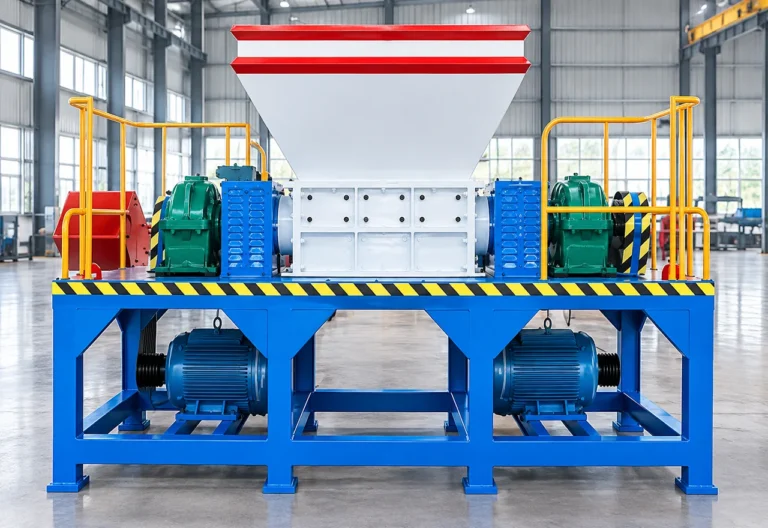
Low-speed, high-torque twin-shaft shredding equipment for the coarse reduction of bulky, irregular and difficult recycling feedstock before conveying, secondary crushing, screening or material recovery.
View Equipment →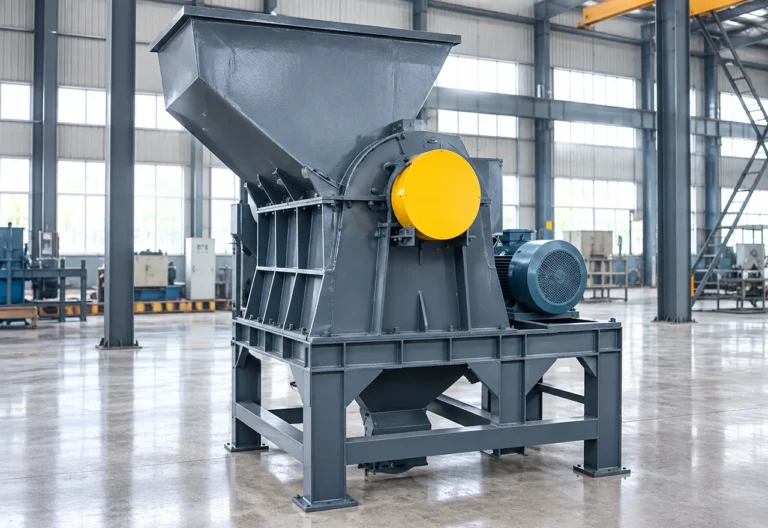
High-speed impact crushing equipment for medium and fine size reduction of brittle and crushable recycling materials such as lithium battery fractions, printed circuit boards,…
View Equipment →Share the material type, feed size, required capacity, target output and site information. We will assess the duty and recommend a suitable configuration.
You can also upload material photos, equipment images, plant layouts or technical documents.
You don't need to know all the technical details. Tell us what you're working with and what you want to achieve, and our team will help you determine the next step.