
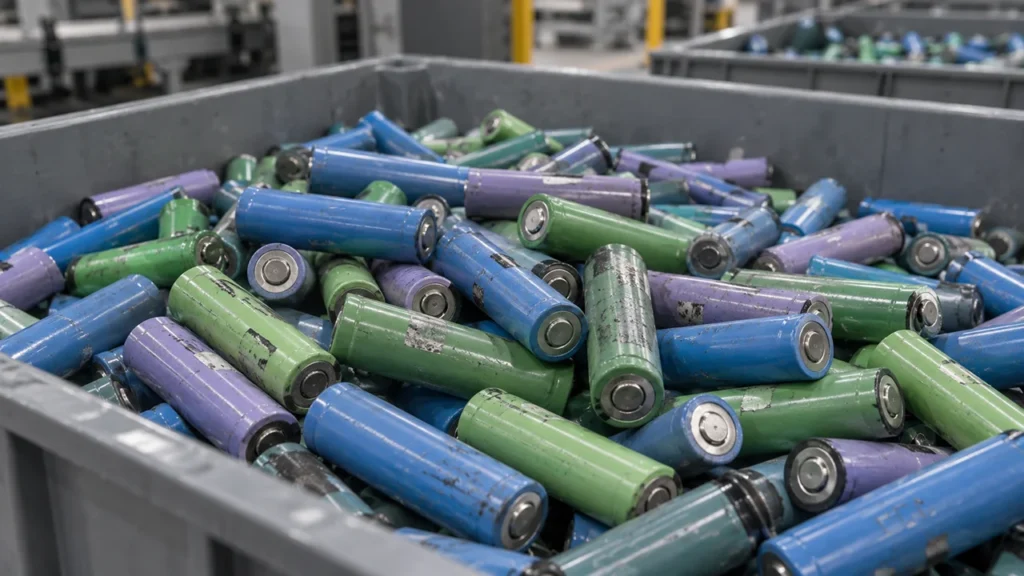
Prepared Lithium-Ion Cells
Cells that have already completed the required preparation or discharge stage and are ready for controlled mechanical recycling.
Recover black-mass-rich active material from prepared lithium battery feedstock through controlled liberation, screening, metal separation and fine-powder collection.
This solution is intended for prepared lithium battery materials where active-material recovery is the primary objective. The required process depends on how much dismantling, discharge and primary crushing have already been completed.
Cells that have already completed the required preparation or discharge stage and are ready for controlled mechanical recycling.
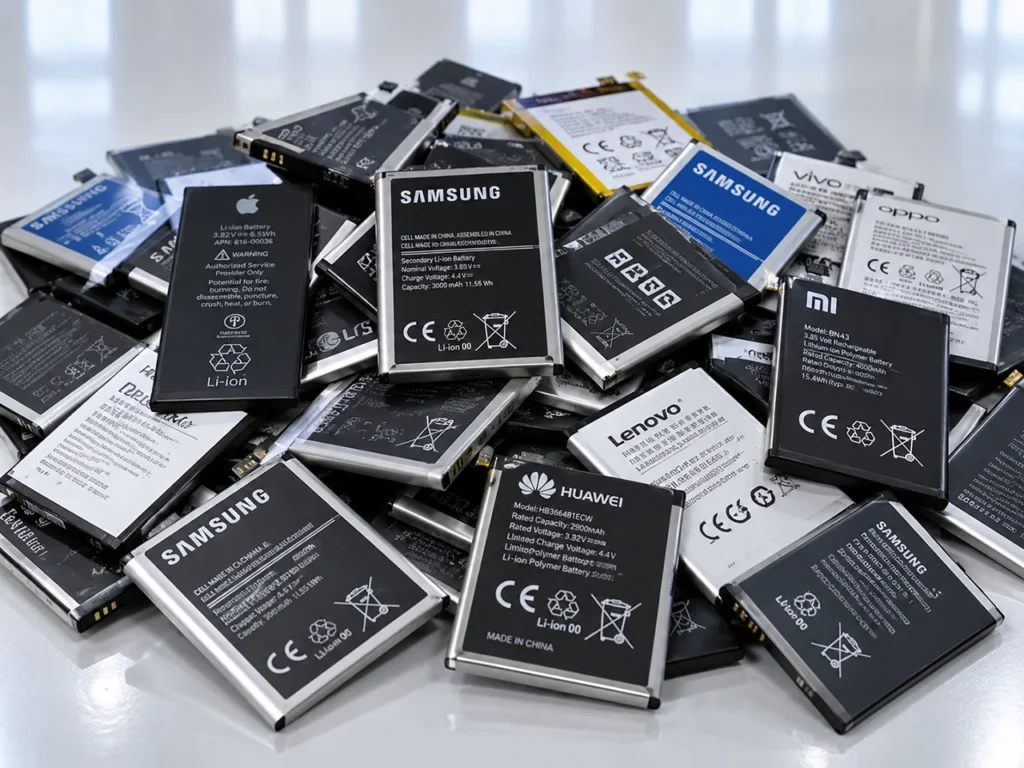
Cathode or anode production scrap, trimmed electrode material and prepared pole-piece fractions containing active material bonded to current collectors.
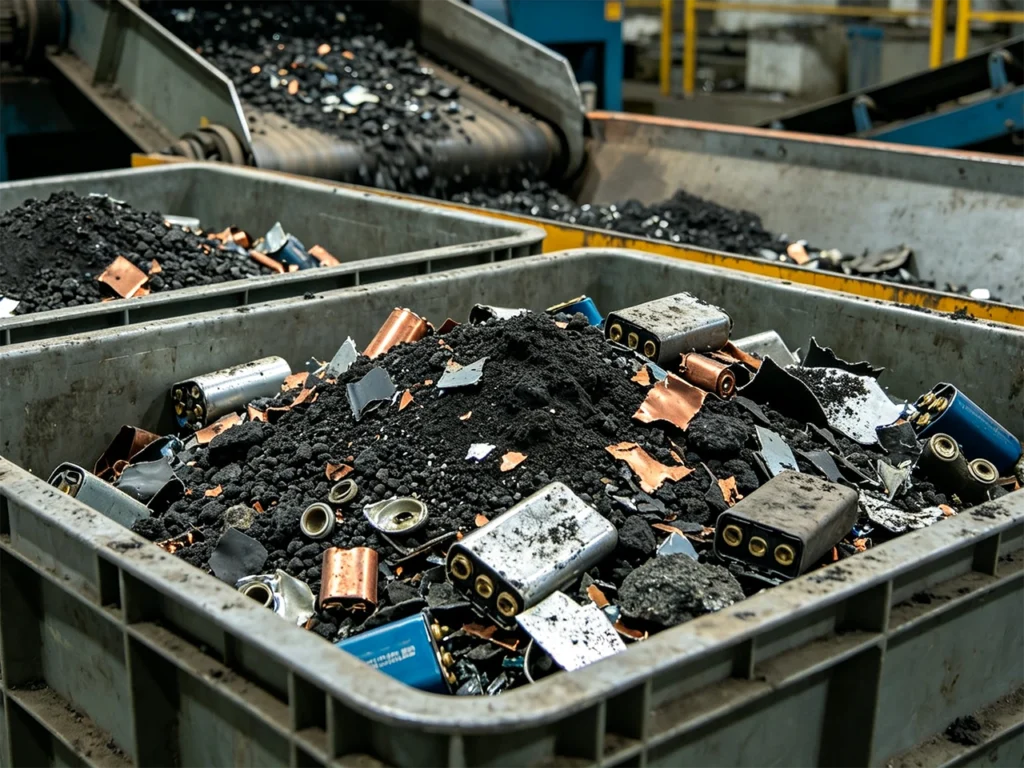
Material produced after primary battery crushing that still contains active material, copper, aluminum, plastics and other mixed fractions.
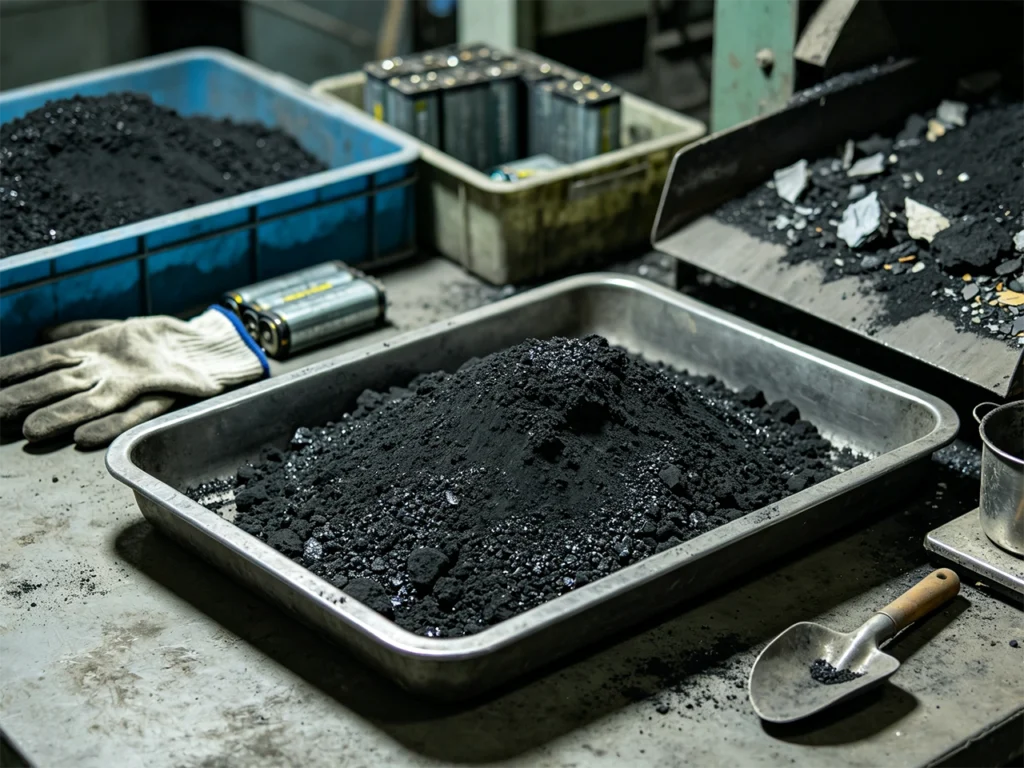
Fine material streams containing active-material-rich powder together with residual metallic or lightweight impurities.
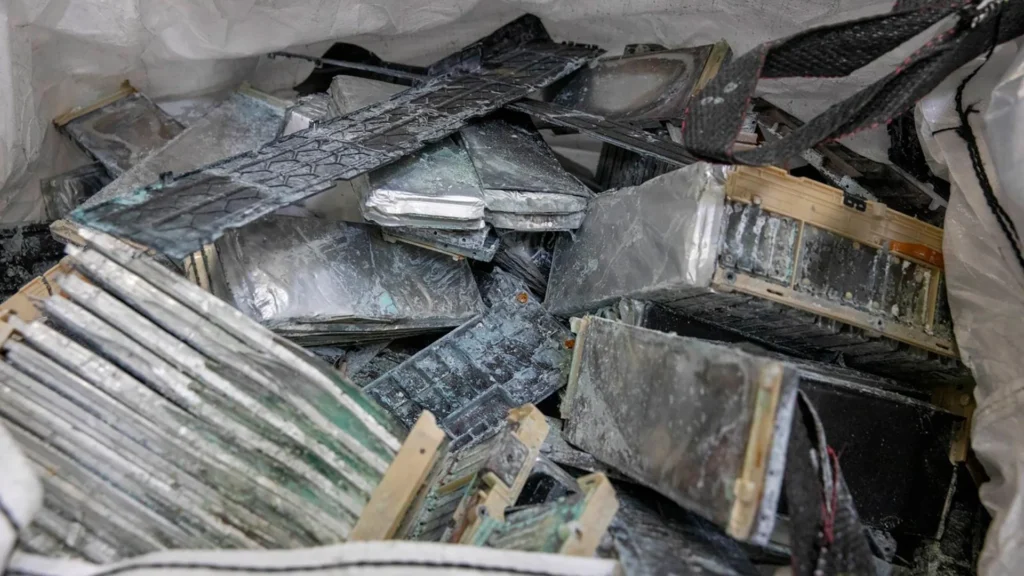
Prepared manufacturing scrap suitable for controlled liberation and active-material recovery.
The final output depends on feedstock composition, liberation quality and downstream requirements. Black mass is the primary target, while metallic and lightweight fractions are separated to improve the quality and control of the recovered material stream.
Fine active-material-rich fraction recovered after controlled crushing, screening, classification and fine-powder collection.
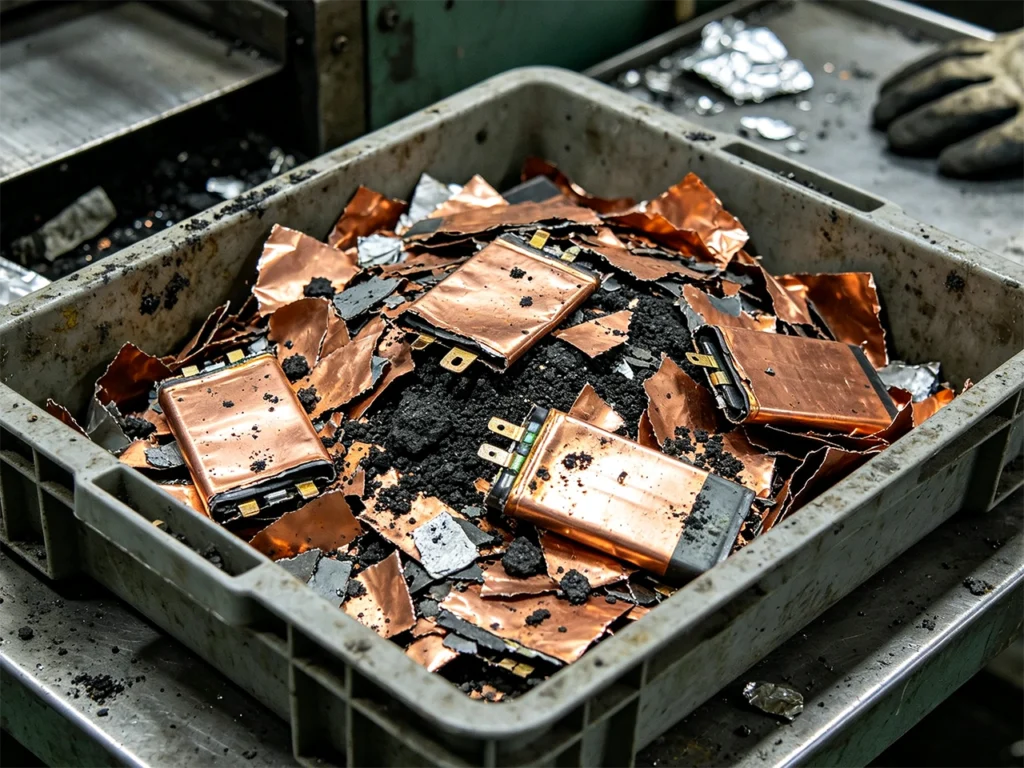
Copper-bearing material separated from current-collector fragments and other conductive components.
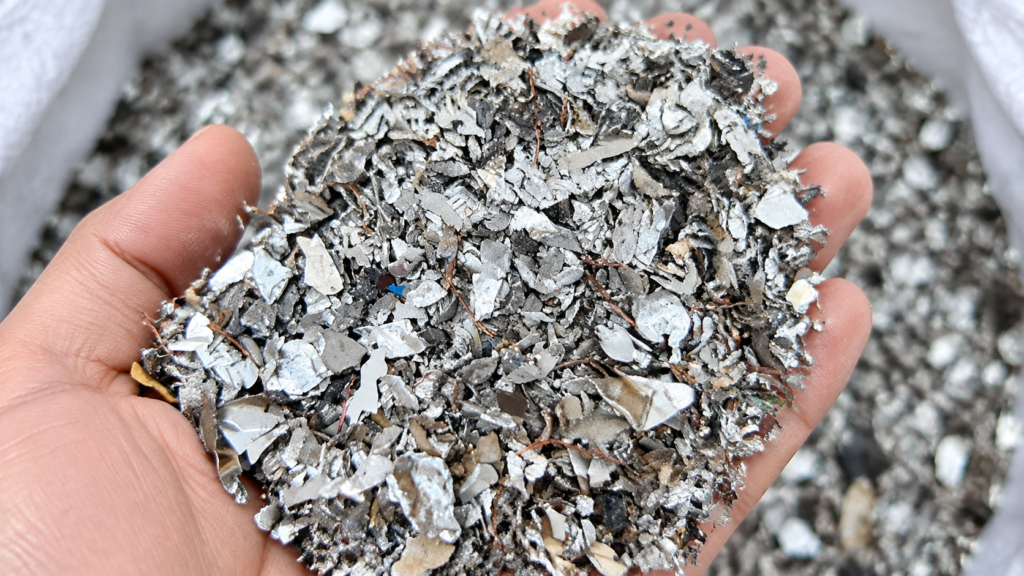
Aluminum-bearing material separated from current collectors, casings or mixed battery fractions.
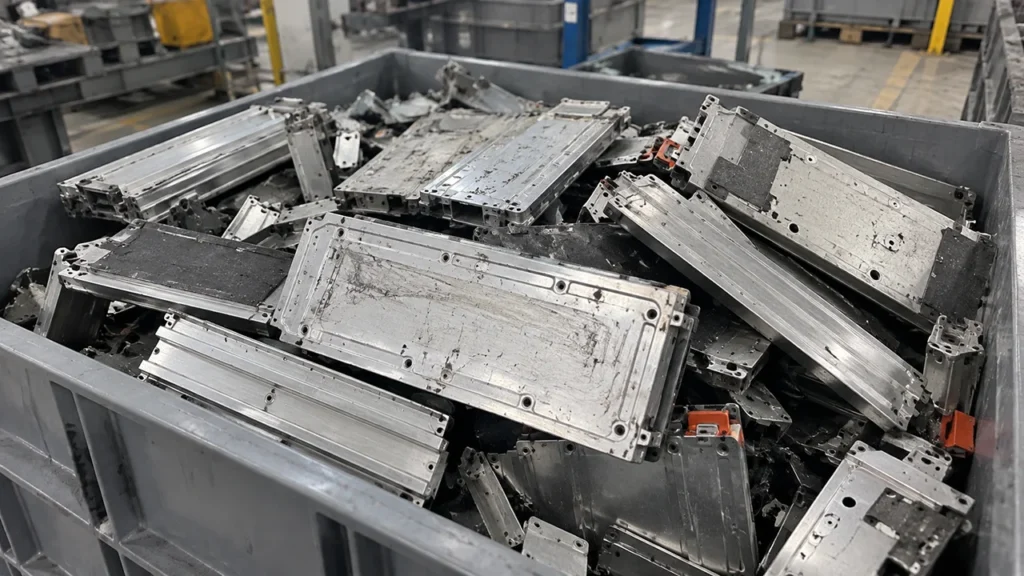
Magnetic metal fraction removed where steel casing or other ferrous material is present.
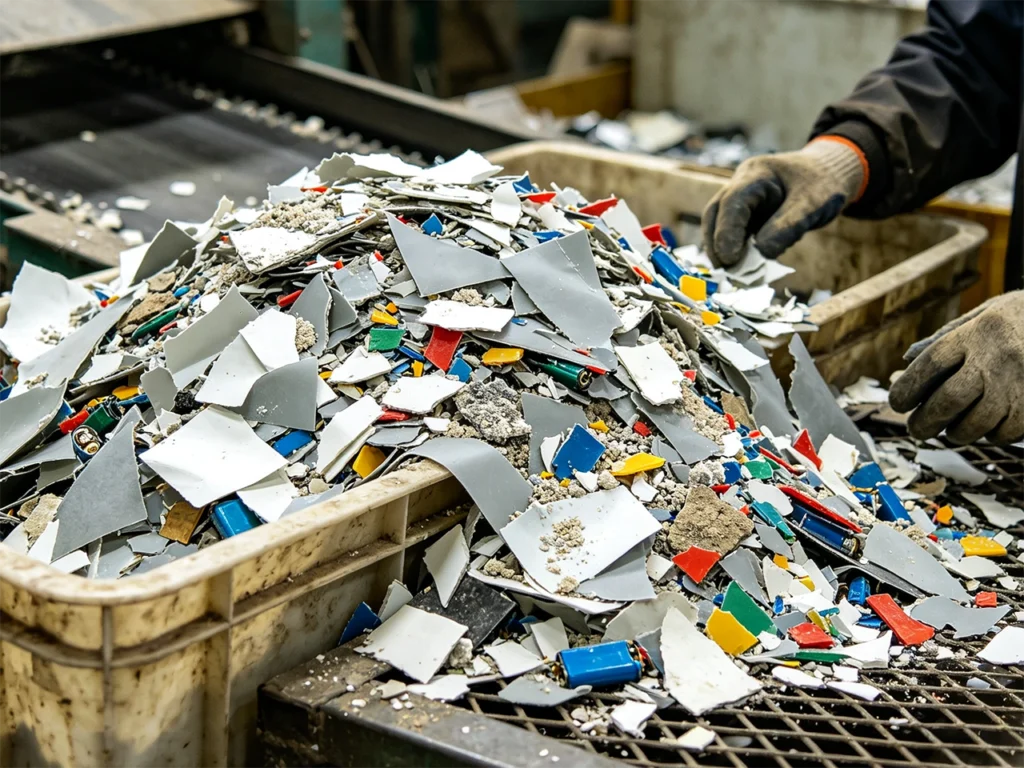
Lightweight polymer-rich fraction separated from denser metallic and active-material streams.
This is recommended process logic, not a fixed production line. Liberation, screening, metal separation and fine-powder collection are adjusted according to feedstock condition and target black-mass quality.
Confirm feedstock type, chemistry if known, particle size, moisture, metal content, liberation condition and target black-mass requirements.
Apply suitable secondary crushing or pulverizing where active material remains bonded to foil, separator or other battery components.
Separate coarse material, intermediate fractions and fine active-material-rich particles so each stream can enter a more suitable separation stage.
Remove magnetic and non-ferrous metallic impurities using the appropriate combination of physical separation methods.
Collect black-mass-rich fines under controlled airflow and negative-pressure conditions while limiting material loss into the dust-control system.
Collect black mass and separated copper, aluminum, ferrous and polymer-rich fractions independently for downstream handling or further treatment.
Stages can be added, skipped or reordered after feedstock characterization and project review.
Coordinate enclosed conveying, controlled airflow and dedicated fine-powder collection so black-mass-rich material is recovered instead of lost as uncontrolled dust.
Recommended production lines support black-mass-oriented recovery from prepared battery feedstock, with broader lithium recycling available where a wider mechanical route is required.
Share feedstock condition, capacity, black-mass recovery objectives and site constraints so BREM can prepare an initial technical proposal. You do not need every technical detail confirmed before contacting BREM.
You don't need to know all the technical details. Tell us what you're working with and what you want to achieve, and our team will help you determine the next step.