
Engineering Solutions / Solutions
Recycling Solutions Built Around Material, Recovery Goals and Plant Conditions
Process-oriented recycling solutions developed around feedstock conditions, recovery objectives and project constraints — not an equipment catalogue.
01 / Solution Families
Start with the recycling problem, not the equipment list
Each family is a problem class, not a machine catalogue.
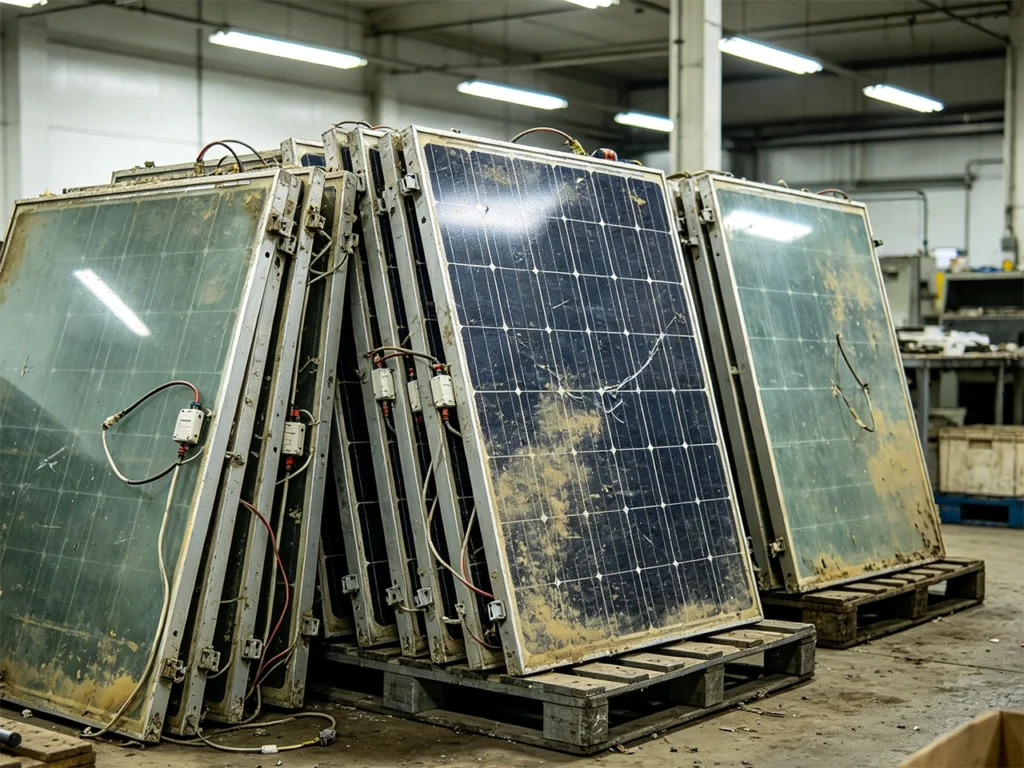
Recovery objectives
Solutions by Recovery Objective
Recovered streams are project-specific and remain subject to representative feedstock and engineering review.
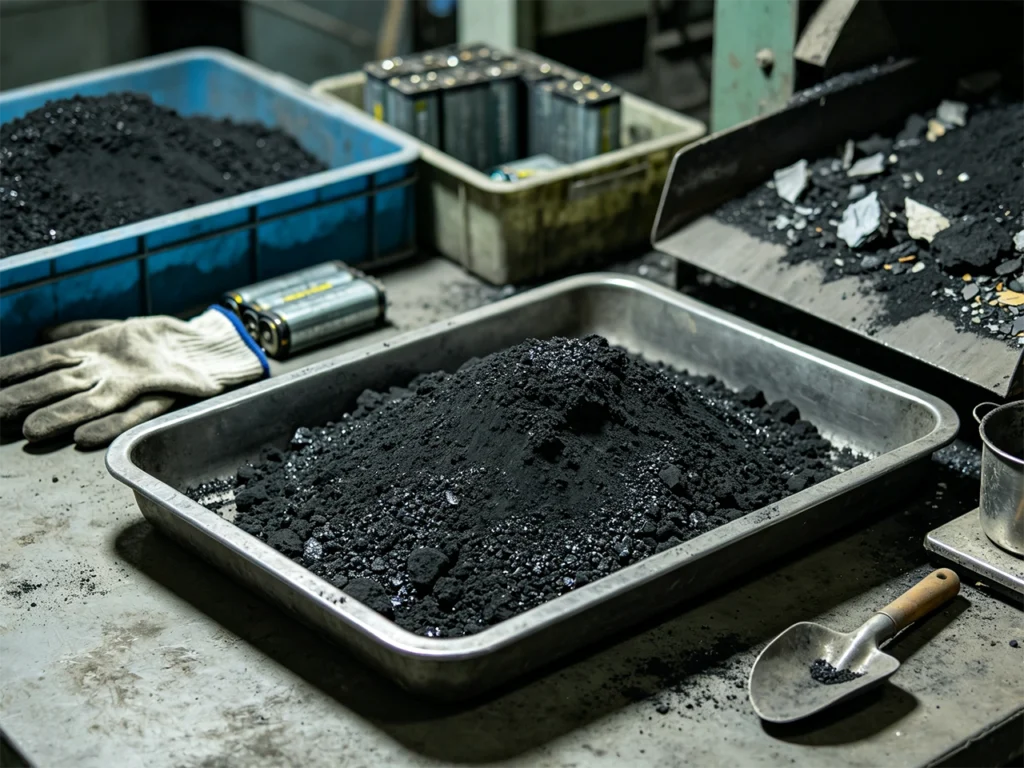
Black Mass
Concentrate compatible active-material-rich fines before refining.
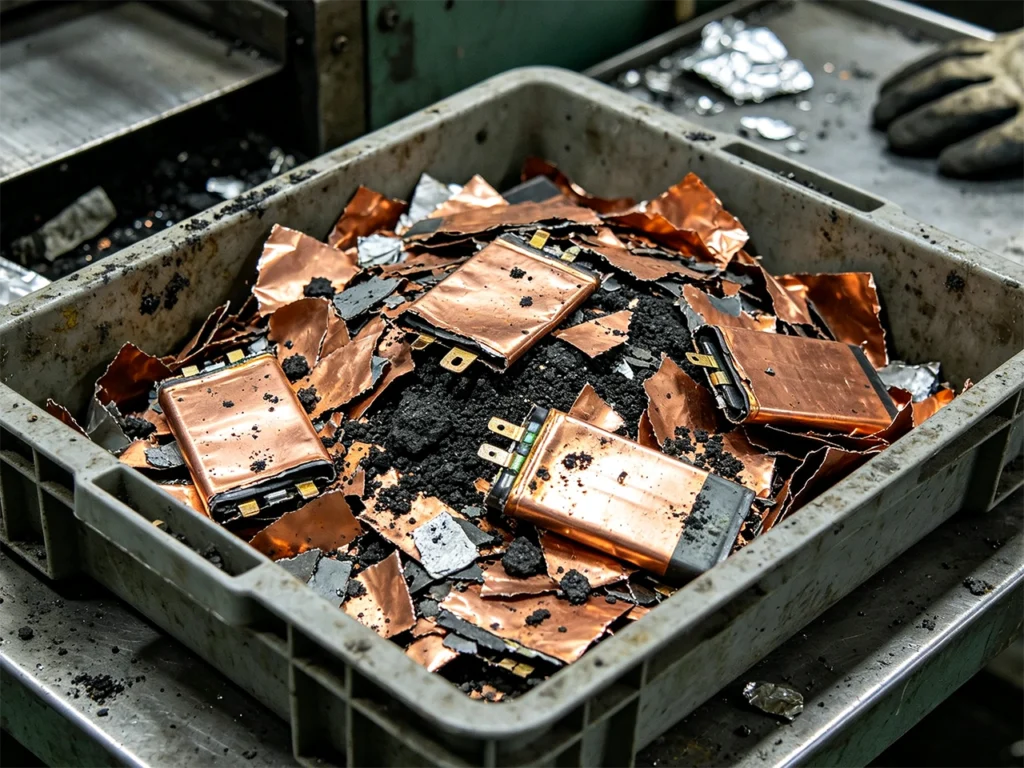
Copper-Rich Fraction
Separate suitable copper-bearing metallic material.
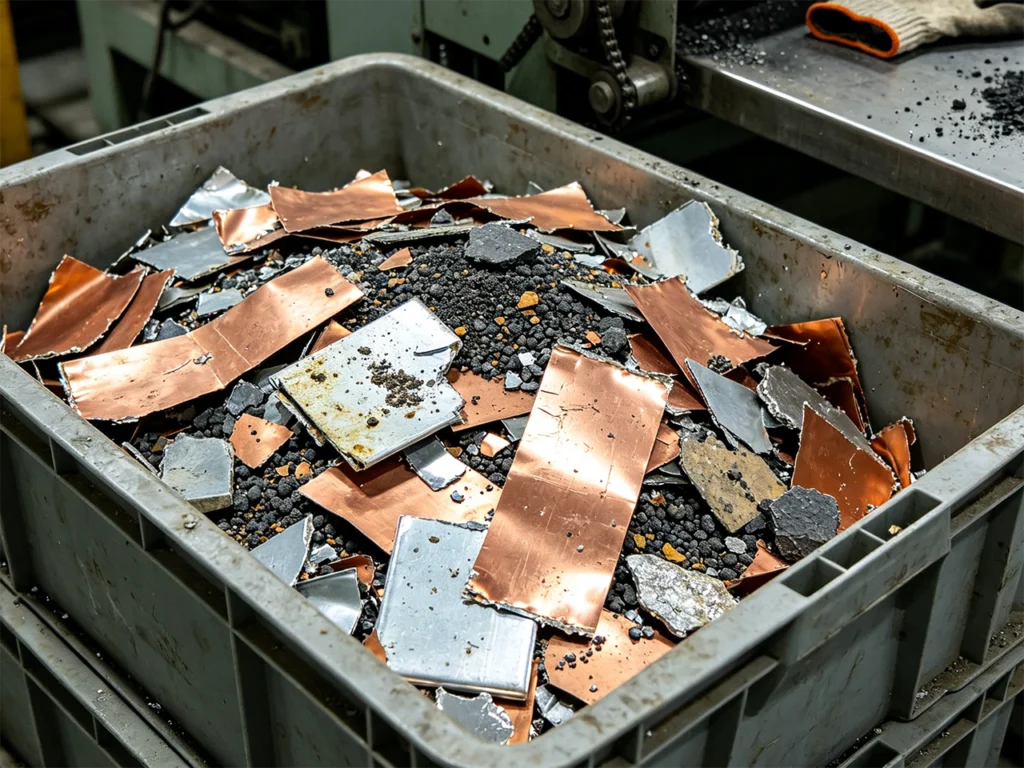
Aluminum-Rich Fraction
Recover suitable aluminum-bearing fractions from prepared feed.
Ferrous Fraction
Remove compatible magnetic material from the process stream.
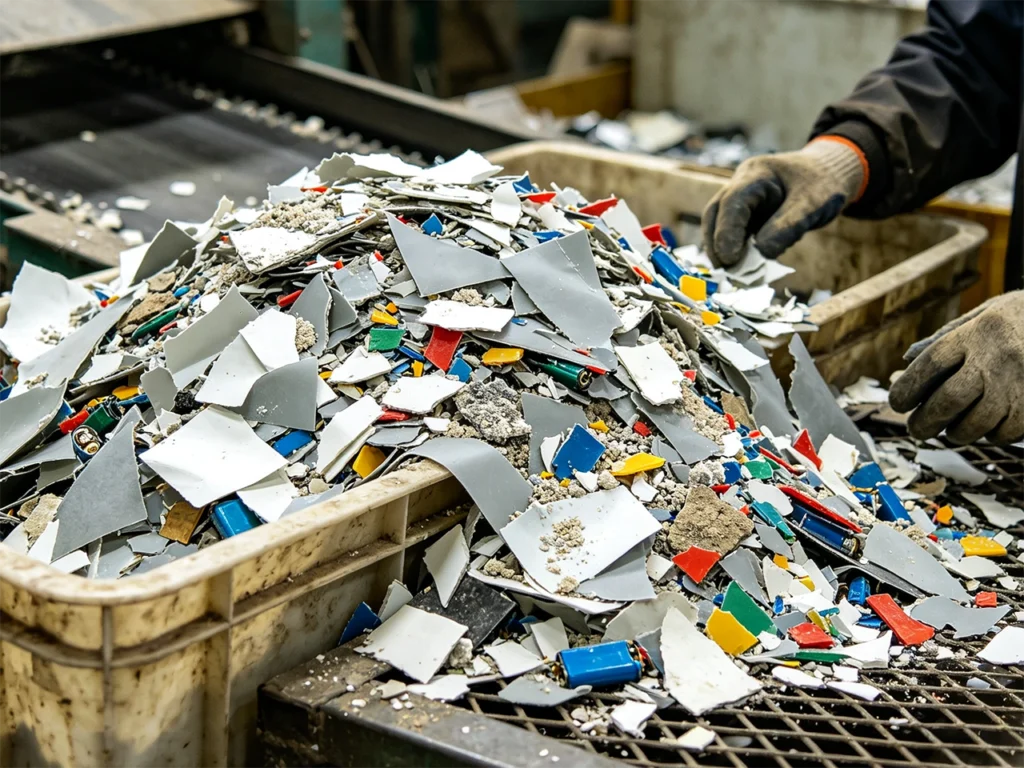
Light / Non-Metallic Fraction
Classify compatible separator film, polymer or non-metal material.
Reusable Module Evaluation
Identify modules suitable for further testing where applicable.
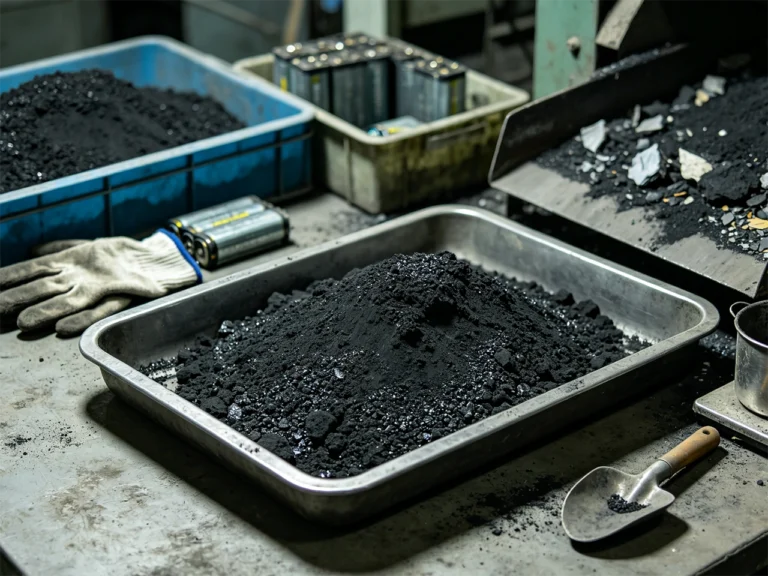
Black mass recovery
Black Mass Recycling Solution
Recover black-mass-rich active material from prepared lithium battery feedstock through controlled liberation, screening, metal separation and fine-powder collection.
Problem Active-material-rich fines must be liberated from copper, aluminum, plastics and other components, then classified and collected without excessive cross-contamination or fine-powder loss. Process logic Feedstock characterization → controlled size reduction / liberation → screening & particle classification → metal separation → fine-powder collection → fraction collection & output control View Solution Detail →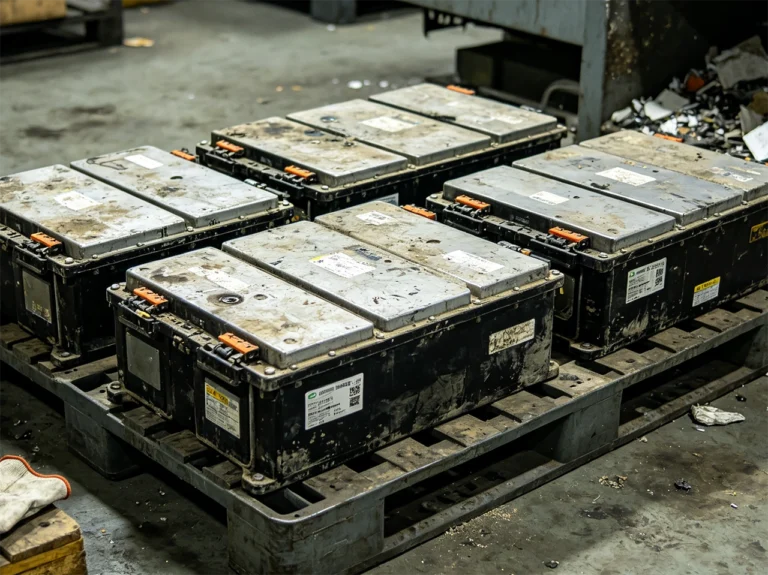
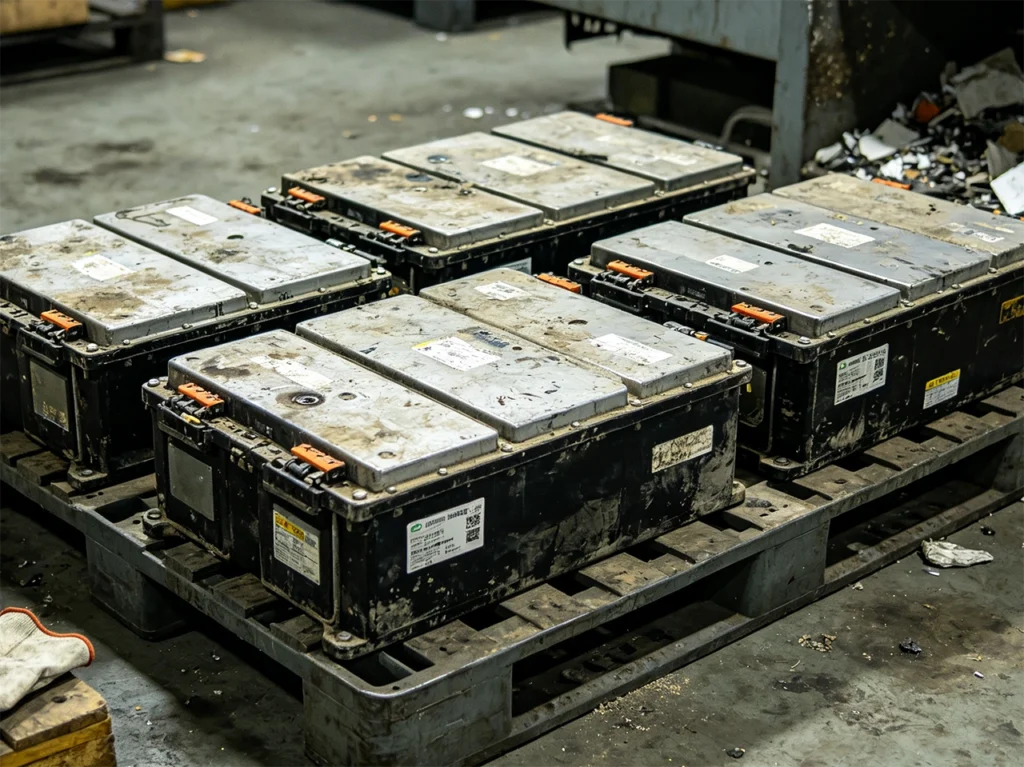
EV pack / module recycling
EV Battery Recycling Solution
Prepare end-of-life EV battery packs and modules for safe mechanical recycling, then recover black mass, copper, aluminum and other material fractions through…
Problem EV battery packs combine modules, housings, cooling structures and electrical assemblies that require pack-level dismantling and residual-energy control before material recovery. Process logic Pack characterization & safety check → pack dismantling → module testing / discharge / preparation → module / cell size reduction → screening & physical separation → fine fraction collection & output handling View Solution Detail →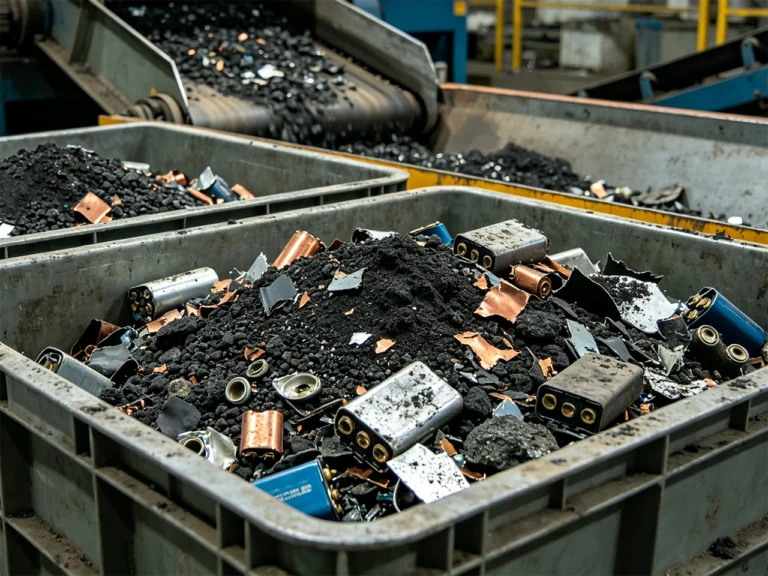
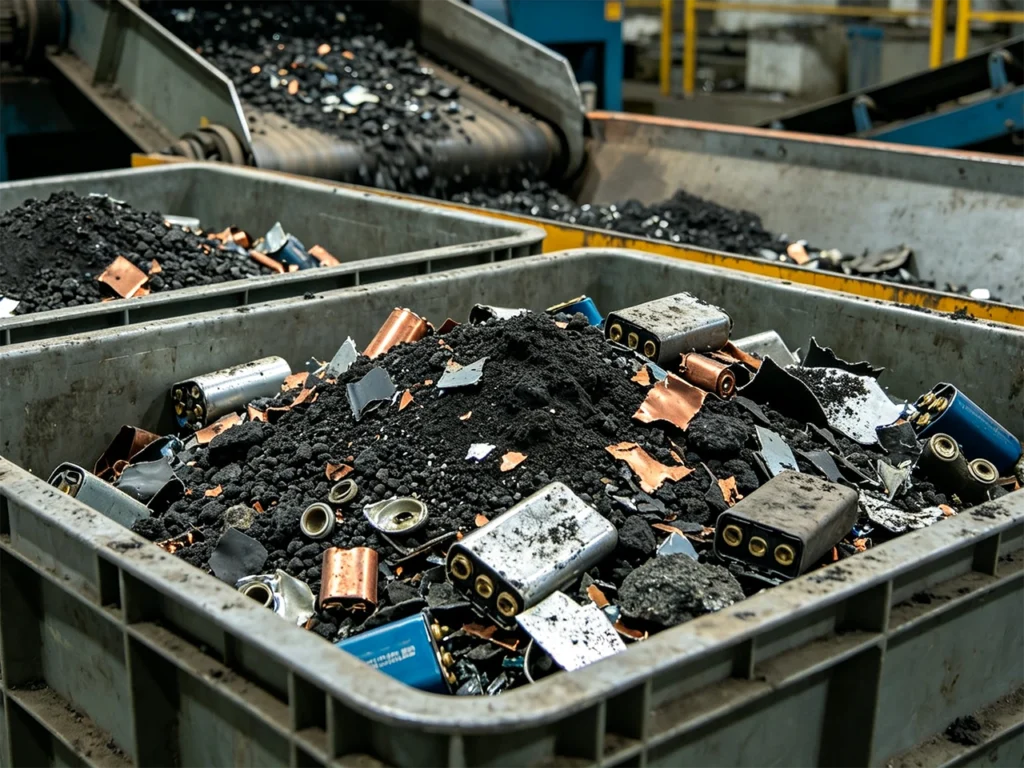
Lithium battery recycling
Lithium Battery Recycling Solution
Mechanical recycling solutions for recovering black mass, copper, aluminum and other valuable fractions from end-of-life lithium-ion batteries and battery production scrap.
Problem Projects need a clear mechanical route from lithium-ion battery feedstock to recovered black mass and metal fractions. Process logic Battery preparation / discharging → primary shredding → secondary crushing → screening & black mass collection → copper / aluminum / plastic separation → dust & off-gas treatment View Solution Detail →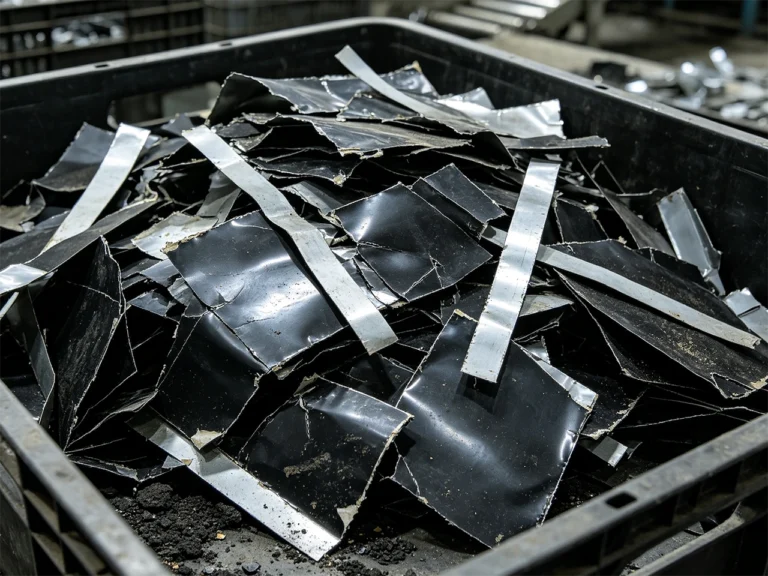
Material recovery
Battery Material Recovery Solution
Recover valuable material fractions from prepared lithium-ion battery streams through controlled classification, separation and material-specific process design.
Problem Prepared battery fractions can contain active material, copper, aluminum, steel, plastics and lightweight components that require staged classification and separation. Process logic Feedstock characterization → controlled liberation → screening & classification → magnetic / air separation → density-based separation → fraction collection View Solution Detail →
PCB recovery
PCB Recycling Solution
Recover copper-rich and non-metallic fractions from waste printed circuit boards through controlled dismantling, crushing, classification and physical separation.
Problem Printed circuit boards combine copper, resin, glass fiber and mounted components that require controlled dismantling, liberation and physical separation. Process logic Feedstock characterization → optional component dismantling → primary crushing → fine crushing / pulverizing → screening & physical separation → electrostatic separation & final collection View Solution Detail →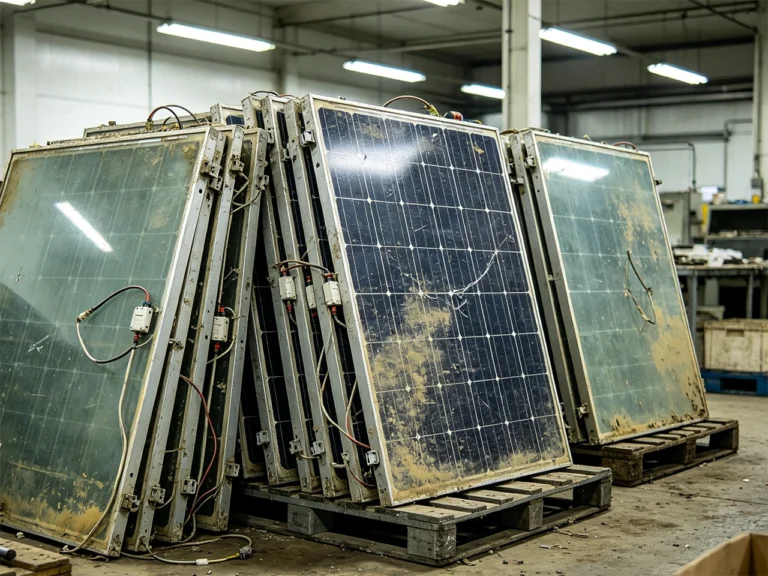
Solar panel recovery
Solar Panel Recycling Solution
Recover glass, aluminum, copper and other valuable fractions from end-of-life photovoltaic modules through controlled dismantling, laminate separation and mechanical processing.
Problem Crystalline silicon PV modules combine glass, aluminum frames, junction boxes, encapsulant, cells and backsheets that require controlled dismantling and liberation before separation. Process logic Module characterization → frame & junction-box removal → laminate opening / glass separation → controlled size reduction → screening & physical separation → final fraction collection View Solution Detail →
07 / Solution Selection
Six conditions define the right solution direction
Channel-level decision framework. These questions belong in the first engineering discussion; this page does not auto-select a solution.
What material will enter the process?
Family choice starts with the material class, not with a machine name.
What condition is the feed in today?
Condition decides whether the route starts at dismantling, crushing or powder recovery.
What must be solved first?
Safety, opening, liberation, fraction split or environmental control.
What materials need to be recovered?
The recovery target decides which solution type is even in scope.
What space, utilities and environmental constraints exist?
Hall, power, air / water and local rules change layout and control scope.
Evaluation, design, procurement or plant upgrade?
Stage changes how complete the first recommendation can be.
Published solutions
All published solutions
Browse published solution pages. Family sections explain why a process route is chosen.
CONFIGURABLE
Solar panel recovery
Solar Panel Recycling Solution
Problem addressed Crystalline silicon PV modules combine glass, aluminum frames, junction boxes, encapsulant, cells and backsheets that require controlled dismantling and liberation before separation.
Typical feedstock End-of-life crystalline silicon PV modules and prepared PV material streams
Primary objective Recover valuable glass and metal fractions while minimizing contamination, unnecessary breakage and uncontrolled thermal treatment.
Recommended process logic Module characterization → frame & junction-box removal → laminate opening / glass separation → controlled size reduction → screening & physical separation → final fraction collection
Related production line Solar Panel Recycling Line
View Solution Detail → View Related Line →
CONFIGURABLE
PCB recovery
PCB Recycling Solution
Problem addressed Printed circuit boards combine copper, resin, glass fiber and mounted components that require controlled dismantling, liberation and physical separation.
Typical feedstock Waste printed circuit boards, stripped PCB substrates and copper-clad laminate
Primary objective Recover copper-rich and non-metallic fractions through controlled dismantling, crushing, classification and physical separation.
Recommended process logic Feedstock characterization → optional component dismantling → primary crushing → fine crushing / pulverizing → screening & physical separation → electrostatic separation & final collection
Related production line Copper-Clad Laminate & PCB Board Recycling Line
View Solution Detail → View Related Line →
CONFIGURABLE
Lithium battery recycling
Lithium Battery Recycling Solution
Problem addressed Projects need a clear mechanical route from lithium-ion battery feedstock to recovered black mass and metal fractions.
Typical feedstock End-of-life cells, modules, production scrap and prepared battery materials
Primary objective Recover black mass, copper, aluminum and other valuable fractions through a configurable mechanical recycling route
Recommended process logic Battery preparation / discharging → primary shredding → secondary crushing → screening & black mass collection → copper / aluminum / plastic separation → dust & off-gas treatment
Related production line Lithium Battery Recycling Line
View Solution Detail → View Related Line →
CONFIGURABLE
EV pack / module recycling
EV Battery Recycling Solution
Problem addressed EV battery packs combine modules, housings, cooling structures and electrical assemblies that require pack-level dismantling and residual-energy control before material recovery.
Typical feedstock End-of-life EV battery packs, modules, prepared assemblies and recovered cells
Primary objective Convert end-of-life EV battery packs and modules into safe, process-ready feedstock for downstream recovery of black mass, copper, aluminum and other valuable material fractions.
Recommended process logic Pack characterization & safety check → pack dismantling → module testing / discharge / preparation → module / cell size reduction → screening & physical separation → fine fraction collection & output handling
Related production line EV Battery Recycling Line
View Solution Detail → View Related Line →
CONFIGURABLE
Black mass recovery
Black Mass Recycling Solution
Problem addressed Active-material-rich fines must be liberated from copper, aluminum, plastics and other components, then classified and collected without excessive cross-contamination or fine-powder loss.
Typical feedstock Prepared lithium-ion cells, electrode scrap, intermediate crushed fractions and black-mass-containing fines
Primary objective Produce a controlled black-mass-rich fraction while separating metallic and lightweight impurities and maintaining stable fine-powder collection.
Recommended process logic Feedstock characterization → controlled size reduction / liberation → screening & particle classification → metal separation → fine-powder collection → fraction collection & output control
Related production line Black Mass Production Line
View Solution Detail → View Related Line →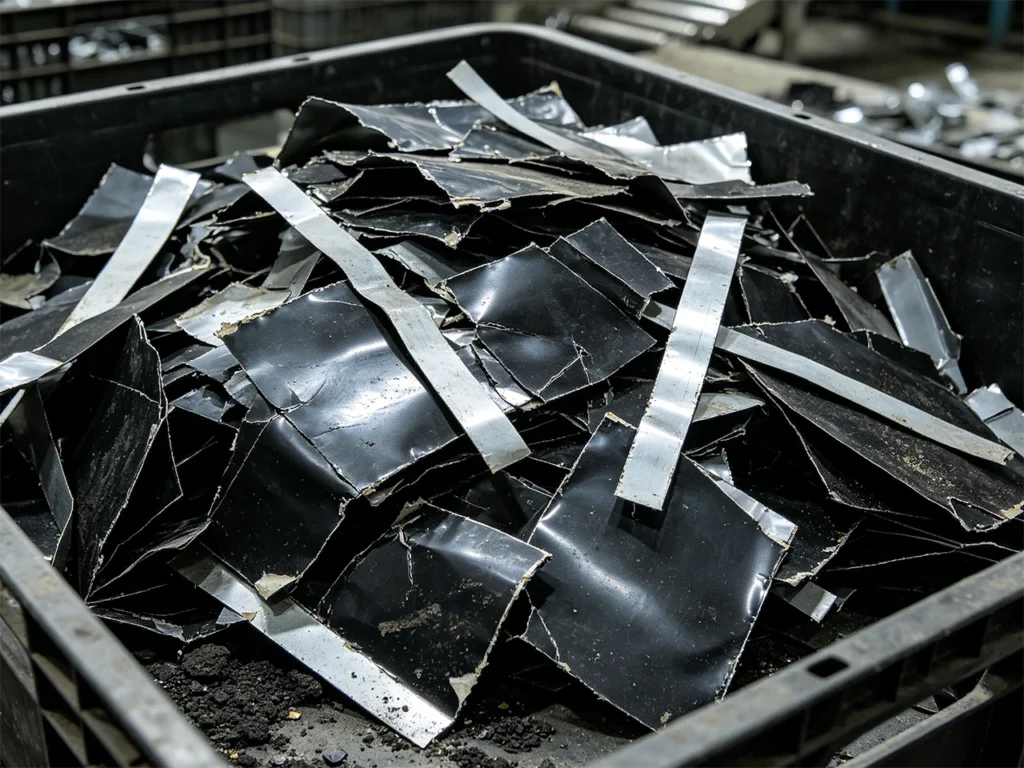
CONFIGURABLE
Material recovery
Battery Material Recovery Solution
Problem addressed Prepared battery fractions can contain active material, copper, aluminum, steel, plastics and lightweight components that require staged classification and separation.
Typical feedstock Prepared / crushed lithium-ion battery material fractions
Primary objective Recover valuable material fractions while reducing cross-contamination, fine-material loss and unnecessary processing steps.
Recommended process logic Feedstock characterization → controlled liberation → screening & classification → magnetic / air separation → density-based separation → fraction collection
Related production line Lithium Battery Recycling Line
View Solution Detail → View Related Line →
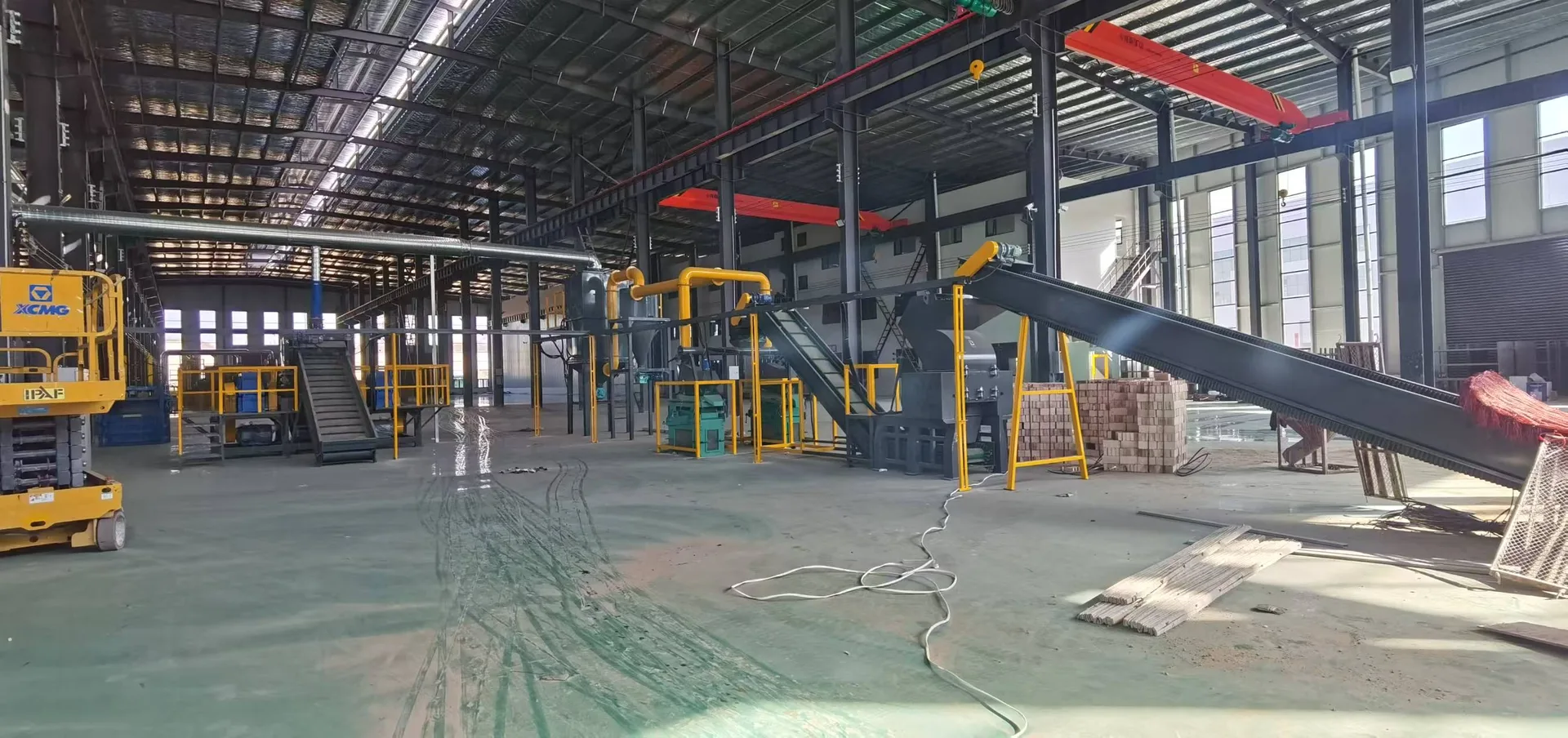
09 / Engineering Support
Turn your recycling challenge into a solution direction
The channel page does not start with a price request. It starts by defining the problem.
Identify feedstock class and current condition.
Name what must be solved first — safety, opening, liberation or split.
Confirm which fractions the plant actually needs.
Map the family and the process stages that belong in scope.
Point to a solution type and the production-line form that can carry it.
Discuss Your Recycling Challenge
Share your feedstock, material condition, recovery target and plant requirements. BREM can use this information to identify the most relevant solution family and process direction.
Prepare if available:
Feedstock photos, condition, main problem, desired outputs, plant area and project stage. Capacity and performance figures stay project-specific.