
01
Feeding
Feed material enters through the upper hopper and falls into the crushing chamber under gravity.
High-speed impact crushing equipment for medium and fine size reduction of brittle and crushable recycling materials such as lithium battery fractions, printed circuit boards, cans and aluminum residues.
A hammer crusher is used where prepared feed requires further impact crushing and size reduction before screening, classification or downstream separation.
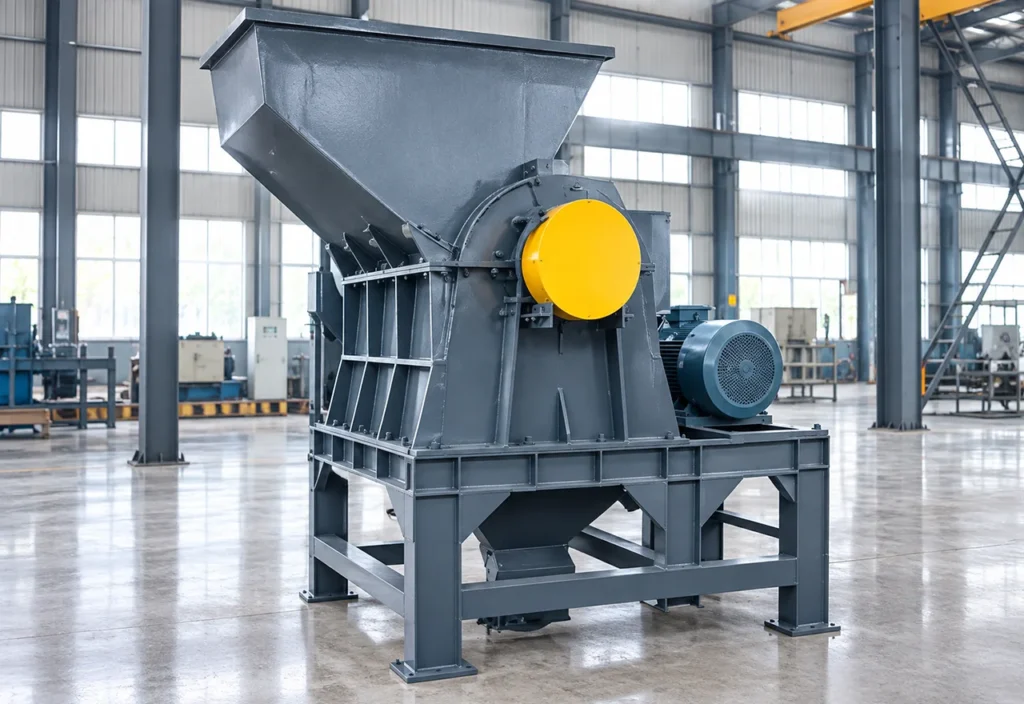
The BREM Hammer Crusher is an impact-type crushing machine built around a housing, rotor, wear-resistant hammer heads, impact liners and a screen plate. Material enters from the upper feed opening and is repeatedly impacted, sheared and ground by the high-speed rotor until particles are small enough to pass through the screen. The grate or screen opening can be adjusted or customized to meet different output-size requirements. It is mainly used for medium and fine crushing of suitable lithium battery, printed circuit board, can, aluminum residue and other brittle or crushable recycling feedstock.
Feed material should be evaluated for composition, maximum size, required capacity, target output, moisture, contamination and downstream separation requirements. Feed and output dimensions are customized according to project requirements.
02 / Operating Principle
Material enters through the upper feed hopper and falls into the crushing chamber. The high-speed rotor drives the hammers to strike and break the material repeatedly. Oversized particles remain in the chamber for further impact, while sufficiently reduced material passes through the lower grate and exits through the discharge opening.
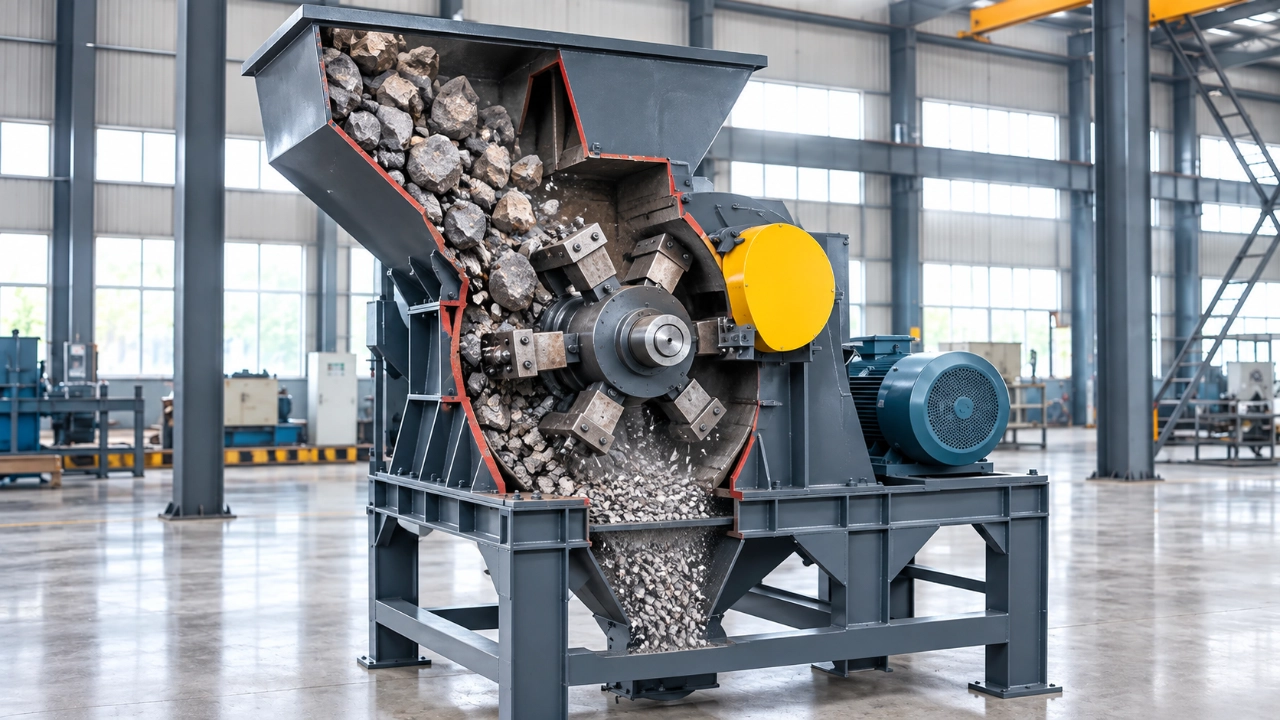
Feed material enters through the upper hopper and falls into the crushing chamber under gravity.
The high-speed rotor drives the hammers to strike and throw the material against the chamber liners, producing repeated impact breakage.
Material small enough to pass through the grate openings moves downward, while oversized particles remain inside for further crushing.
Crushed material passing through the grate falls into the lower discharge section and exits for collection or downstream processing.
Suitable prepared lithium-battery-related materials for medium and fine crushing.
PCB and circuit-board material requiring further impact crushing before separation.
Thin-walled metal cans and similar crushable feedstock.
Aluminum slag/residue and compatible brittle metal-containing feedstock.
Other medium-hard or brittle recyclable materials compatible with impact crushing.
04 / Machine Architecture
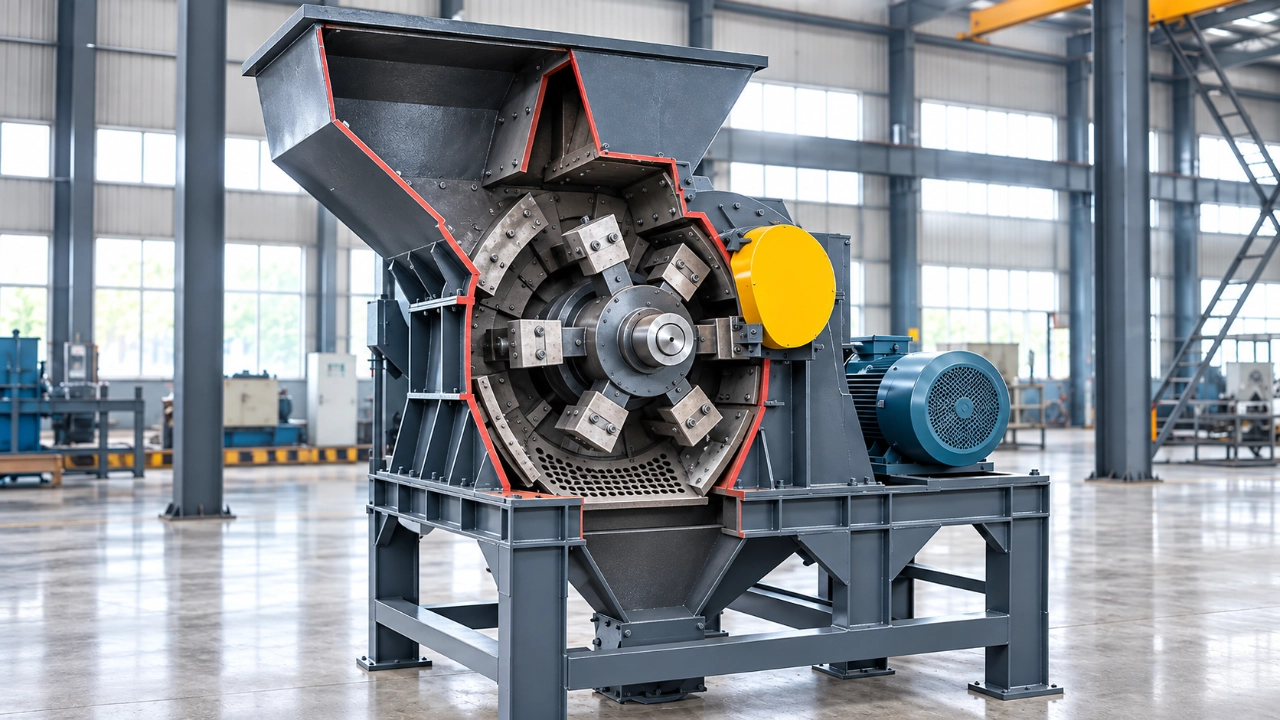
Encloses the rotor, hammer assembly and main crushing zone.
Main rotating assembly that drives the hammer heads at high speed.
Wear-resistant impact elements mounted around the rotor for repeated material breakage.
Replaceable wear surfaces that withstand repeated material impact inside the crushing chamber.
Controls the discharge particle size while retaining oversized material for further crushing.
Supplies mechanical power to the rotor through the drive system.
Guides incoming material into the crushing chamber in a controlled manner.
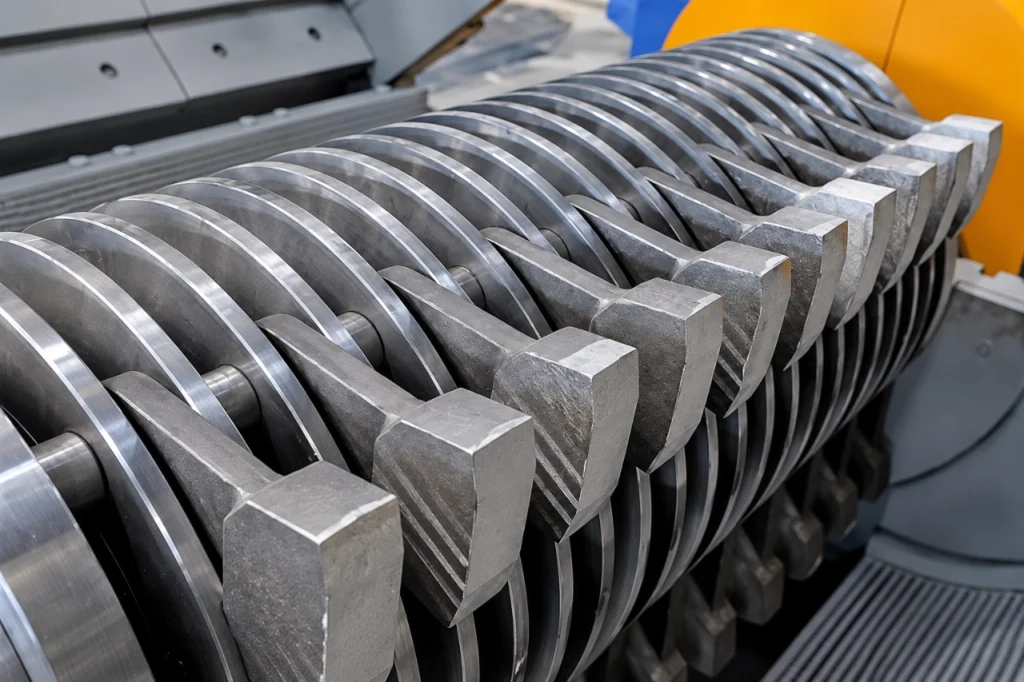
The high-speed rotor carries wear-resistant hammer heads that repeatedly impact and shear the feed. The lower screen controls discharge, while coarse particles remain in the chamber for further impact and grinding. A sealed housing helps reduce dust leakage from the crushing area.
| Model | Feed Size | Output Size | Capacity | Motor Power | Main Shaft Speed | Weight | Application Fields | Crushing Stage |
|---|---|---|---|---|---|---|---|---|
| 600 | Customized | Customized | 300–500 kg/h | 30 kW | 1400 r/min | 1200 kg | Metallurgy / Chemical / Recycling | Medium crushing |
| 800 | Customized | Customized | 500–800 kg/h | 37 kW | 1100 r/min | 1500 kg | Metallurgy / Chemical / Recycling | Medium crushing |
| 1000 | Customized | Customized | 800–1000 kg/h | 45 kW | 1100 r/min | 1800 kg | Metallurgy / Chemical / Recycling | Medium crushing |
| 1300 | Customized | Customized | 1000–1300 kg/h | 55 kW | 980 r/min | 2200 kg | Metallurgy / Chemical / Recycling | Medium crushing |
Feed size and output size are customized according to project requirements. Actual capacity depends on feed composition, bulk density, moisture, screen opening, hammer condition and operating conditions.
Further reduction of prepared lithium-battery fractions after coarse shredding or dismantling.
Medium and fine crushing of printed circuit boards before screening or separation.
Impact crushing of cans, aluminum residues and other compatible brittle metal-containing materials.
Screen-controlled particle reduction before classification, magnetic separation, gravity separation or further grinding.
Model selection should consider material type, feed size, required throughput, target output size, operating hours and downstream process. The supplied models cover approximately 300–1300 kg/h with 30–55 kW motor power.
Yes. The source states that the grate or screen gap can be adjusted according to customer requirements, allowing the discharge size to be changed for different crushing duties.
Oversize particles are retained on the screen plate and continue to receive hammer impact and grinding until they are small enough to pass through the screen.
The crusher housing uses a sealed design intended to reduce dust pollution in the crushing area and minimize ash or dust leakage from the machine body.
The supplied application information includes lithium battery materials, printed circuit boards, cans and aluminum residues, plus other compatible medium-hard or brittle recycling materials.
Routine checks should include hammer wear, rotor condition, screen wear or blockage, liner condition, fasteners, bearings, lubrication, dust seals and abnormal vibration or noise.
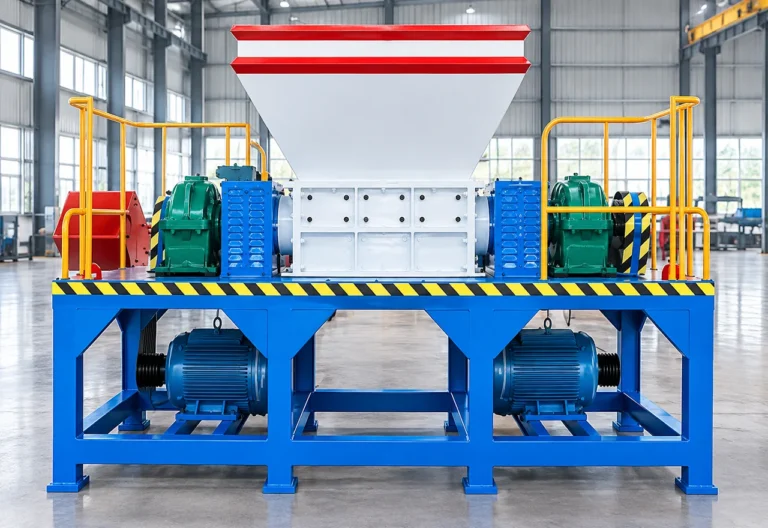
Low-speed, high-torque twin-shaft shredding equipment for the coarse reduction of bulky, irregular and difficult recycling feedstock before conveying, secondary crushing, screening or material recovery.
View Equipment →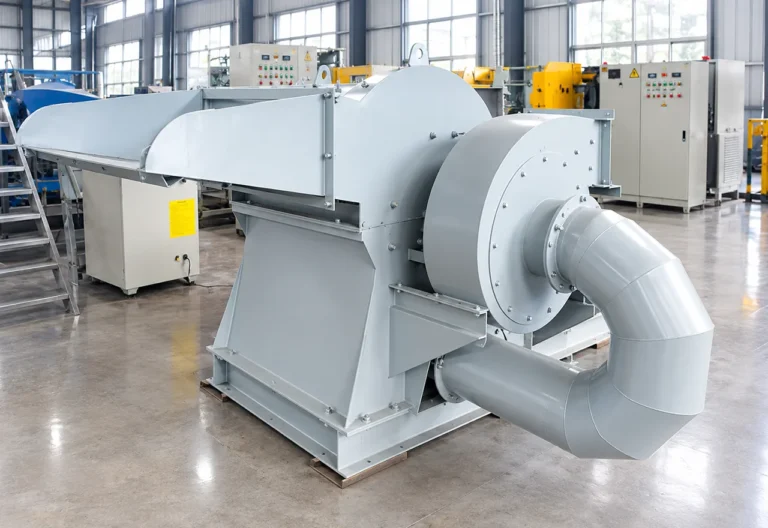
The Industrial Pulverizer is a fine-grinding and material-liberation machine that combines blade-based pulverizing, centrifugal regrinding, air classification and pneumatic conveying for prepared battery, PCB,…
View Equipment →Share the material type, maximum feed size, required capacity, target output size and site information. BREM can review the crushing duty and recommend an appropriate model, screen opening and configuration.
You can also upload material photos, equipment images, plant layouts or technical documents.
You don't need to know all the technical details. Tell us what you're working with and what you want to achieve, and our team will help you determine the next step.