
01
Material Feeding
Mixed material enters through the upper feed hopper and is introduced onto the vibrating screen deck.
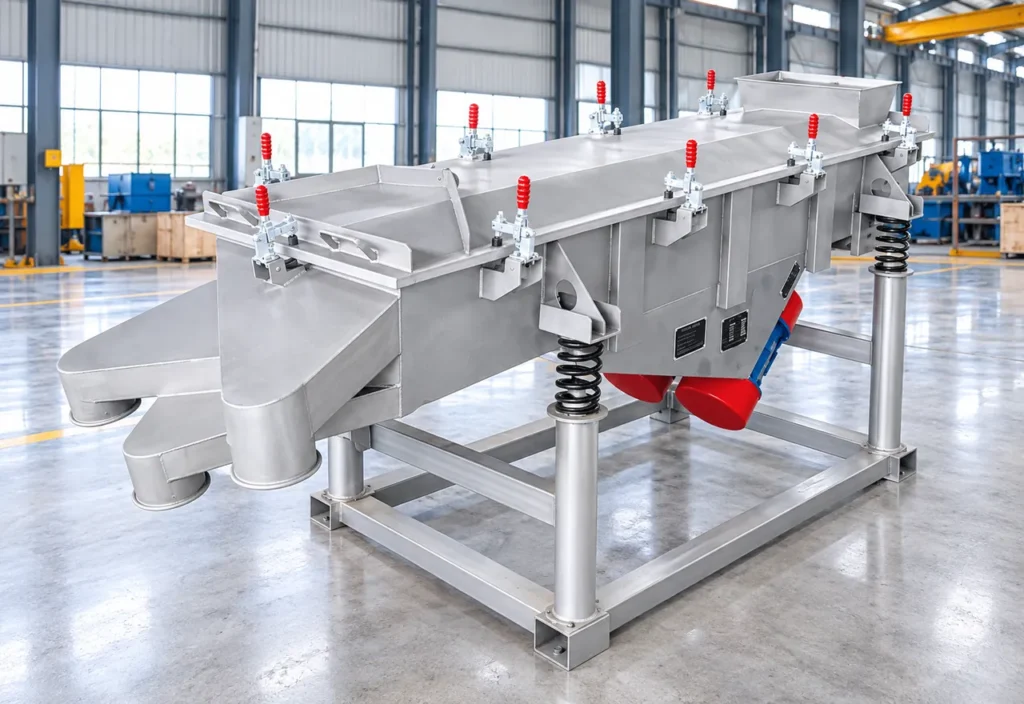
The Vibratory Separator is a linear screening machine designed to classify granular and powdered recycling materials into different particle-size fractions. Controlled vibration moves material continuously across one or more screen decks: particles smaller than the selected aperture pass through the deck, while oversize material continues toward the corresponding discharge outlet.
A particle-size control stage after crushing or pulverizing and before air, gravity, magnetic or electrostatic separation.
The Vibratory Separator is a linear screening machine designed to classify granular and powdered recycling materials into different particle-size fractions. Controlled vibration moves material continuously across one or more screen decks: particles smaller than the selected aperture pass through the deck, while oversize material continues toward the corresponding discharge outlet. Depending on the process requirement, one to five screening decks can be configured to produce several particle-size fractions in one screening stage. Typical applications include crushed battery materials, electrode fractions, PCB materials, metal/non-metal mixtures and other pulverized recycling streams.
The source confirms a configurable one-to-five-deck concept but does not provide a model-specific table for capacity, motor power, screen dimensions or mesh range.
02 / Operating Principle
Mixed material enters through the feed hopper and is delivered onto the vibrating screening deck. Controlled vibration spreads and conveys the material along the screen surface, allowing finer particles to pass through the mesh while coarser fractions continue to the end discharge for separate collection.
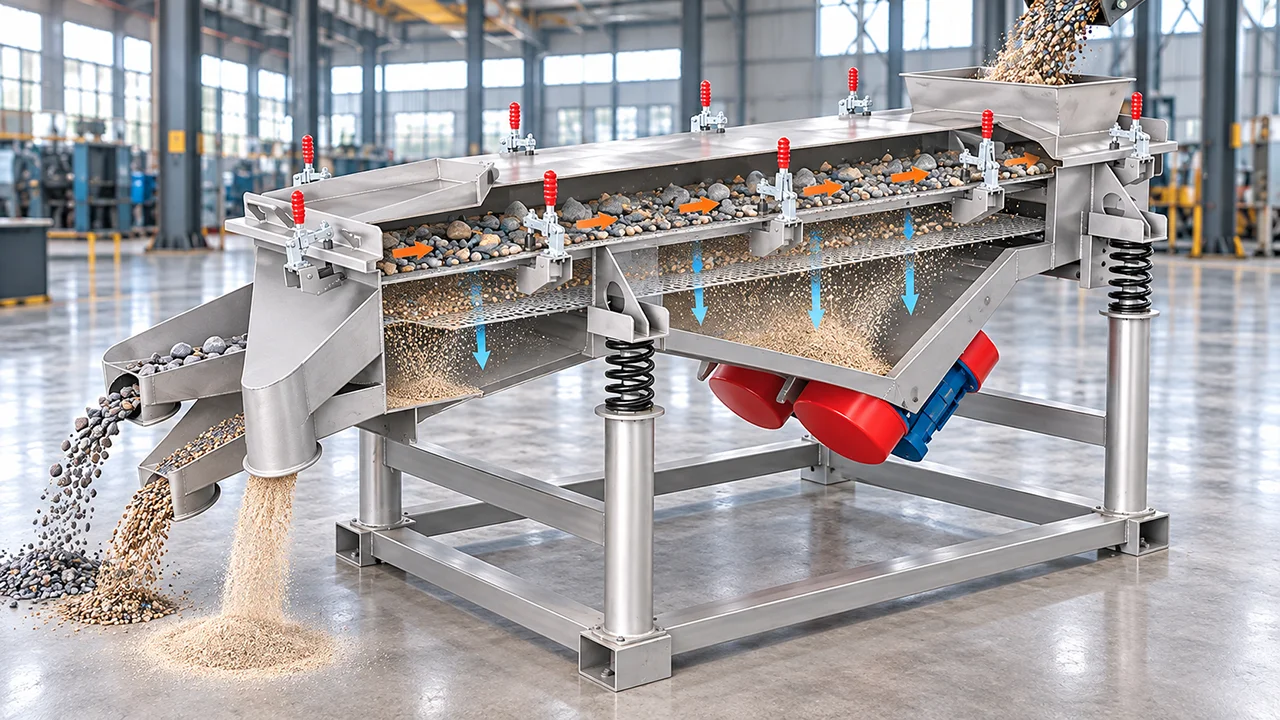
Mixed material enters through the upper feed hopper and is introduced onto the vibrating screen deck.
The vibrating deck spreads the material into a controlled layer and moves it steadily across the screening surface.
As the material travels across the perforated deck, finer particles pass through the screen while coarser particles remain on top.
Separated fractions leave through their respective discharge chutes, with coarse material exiting at the end and finer material collected below.
Suitability depends on composition, feed condition and the selected equipment configuration.
Suitability depends on composition, feed condition and the selected equipment configuration.
Suitability depends on composition, feed condition and the selected equipment configuration.
Suitability depends on composition, feed condition and the selected equipment configuration.
Suitability depends on composition, feed condition and the selected equipment configuration.
Suitability depends on composition, feed condition and the selected equipment configuration.
04 / Machine Architecture
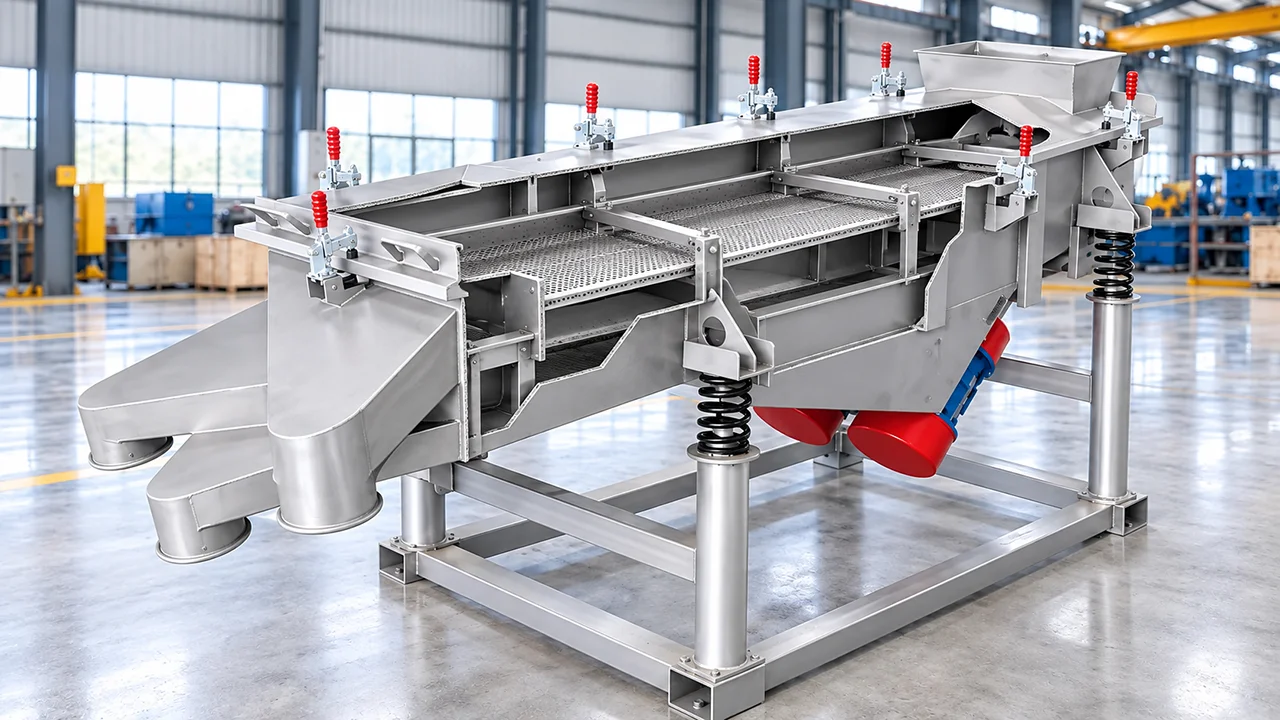
Receives incoming material and directs it into the screening section at the inlet end of the machine.
Encloses the screening chamber and provides quick access for inspection, screen change and maintenance.
Forms the main screening surface where material is separated by particle size as it moves across the deck.
Support the screening deck and maintain the structural alignment of the internal screening section.
Guide separated fractions out of the machine through dedicated discharge chutes at the front end.
Supports the screening body and isolates vibration while maintaining stable machine movement.
Provides the excitation force that drives the vibratory motion required for material conveying and screening.
Provides the base structure for the separator and carries the screening body, springs and drive assembly.
Dual vibratory drive produces linear conveying across replaceable screen media. One-to-five decks can split fine, intermediate and oversize fractions. Optional negative-pressure extraction can be connected to the enclosed cover.
Source-stated values retained for engineering documentation. Final specifications depend on the selected configuration, feed material and agreed operating conditions. Specification inputs listed on the published page: Feed capacity and operating hours; Number of decks and required cut sizes; Screen media, aperture and replacement method; Feed moisture and particle-size distribution; Vibration amplitude, frequency and motor duty; Overall dimensions, service clearances and discharge layout; Dust-collection airflow and filter arrangement, when required
Size classification after crushing or pulverizing.
Positive- and negative-electrode material after size reduction.
Not for whole PCBs.
Prepare a controlled size range for air, gravity or electrostatic stages.
Dry granular feeds after representative testing.
The source material supports one to five decks. The final number and aperture sequence depend on the feed and required products and must be determined in the technical proposal.
No. It classifies by particle size. Metal/non-metal separation requires suitable downstream equipment such as air, gravity, magnetic or electrostatic separation.
No direct assumption should be made. Whole or bulky items require dismantling and size reduction before screening.
No. They depend on feed composition, moisture, size distribution, screen media, vibration settings and deck arrangement. Representative testing is recommended.
Provide material samples or photos, composition, particle-size distribution, moisture, required capacity, target cuts, downstream process, installation country, site utilities and available layout.
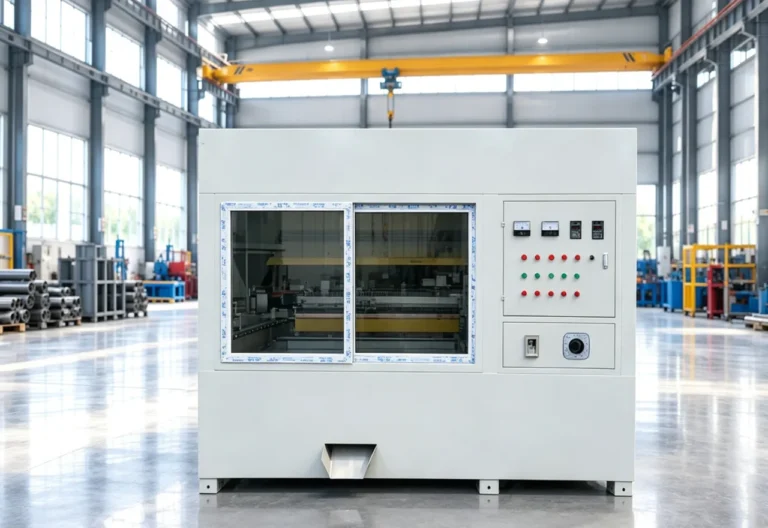
The Electrostatic Separator is a dry high-voltage separation machine for dividing conductive and non-conductive particles according to their different electrical behavior in an electrostatic…
View Equipment →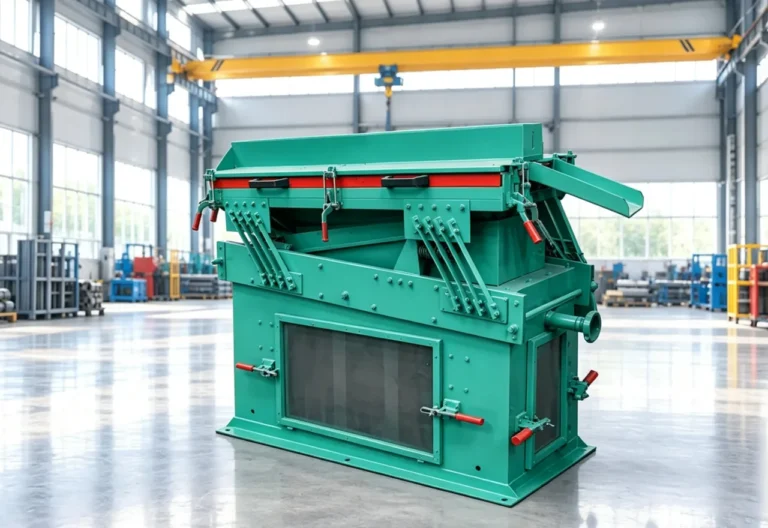
The Air Gravity Separator is a dry physical separation unit for classifying prepared granular material according to density, particle size and aerodynamic behavior.
View Equipment →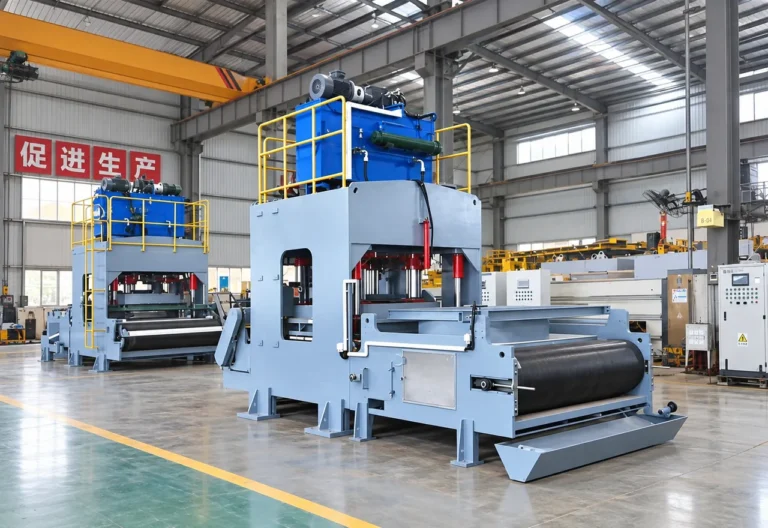
The Hydraulic Dewatering Machine is a high-pressure solid-liquid separation system for sludge, slurry and other high-moisture industrial materials.
View Equipment →Send material, capacity, target output and site information for an application review.
You can also upload material photos, equipment images, plant layouts or technical documents.
You don't need to know all the technical details. Tell us what you're working with and what you want to achieve, and our team will help you determine the next step.