Skip to content
Battery Recycling Equipment Manufacturing Engineering · Manufacturing · Global Service
Equipment category

Separation Equipment

Separation Equipment

4Products
02 / Category Overview

Separation Equipment

Separation Equipment

03 / Equipment Range

Different roles inside this equipment category

Each product card explains a specific task. Open a detail page for configuration data.

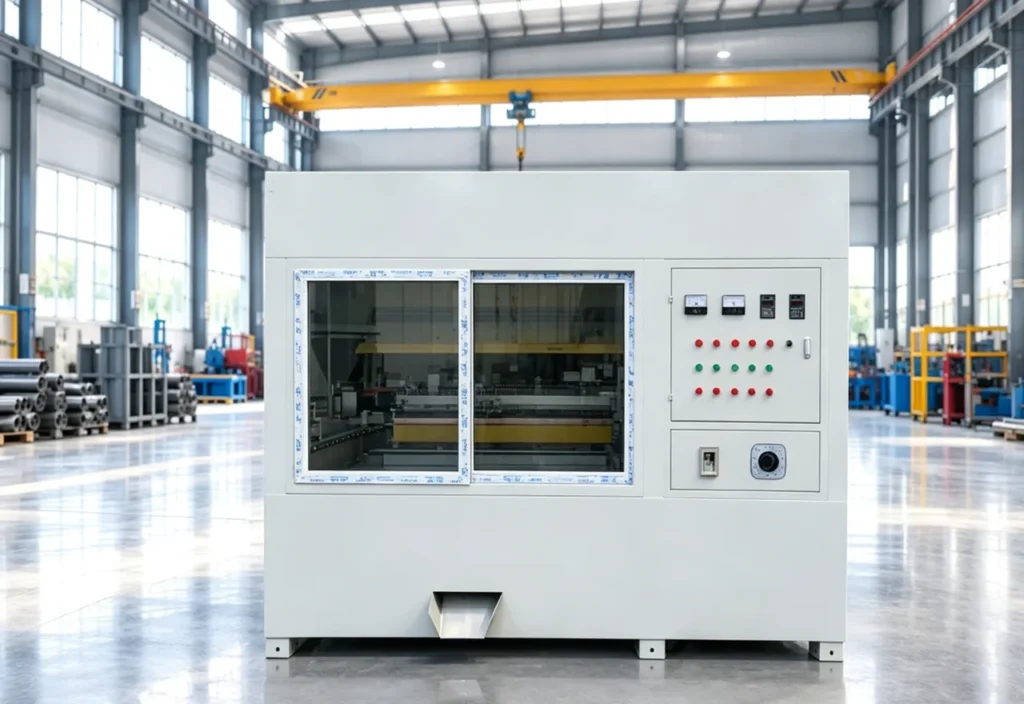
Electrostatic Separator
Separation Equipment Process role: Fraction Separation

Electrostatic Separator

The Electrostatic Separator is a dry high-voltage separation machine for dividing conductive and non-conductive particles according to their different electrical behavior in an electrostatic…

Capacity: 1–10 t/day Overall size: approx. 1.7 × 1.5 × 2.5 m
View Equipment →
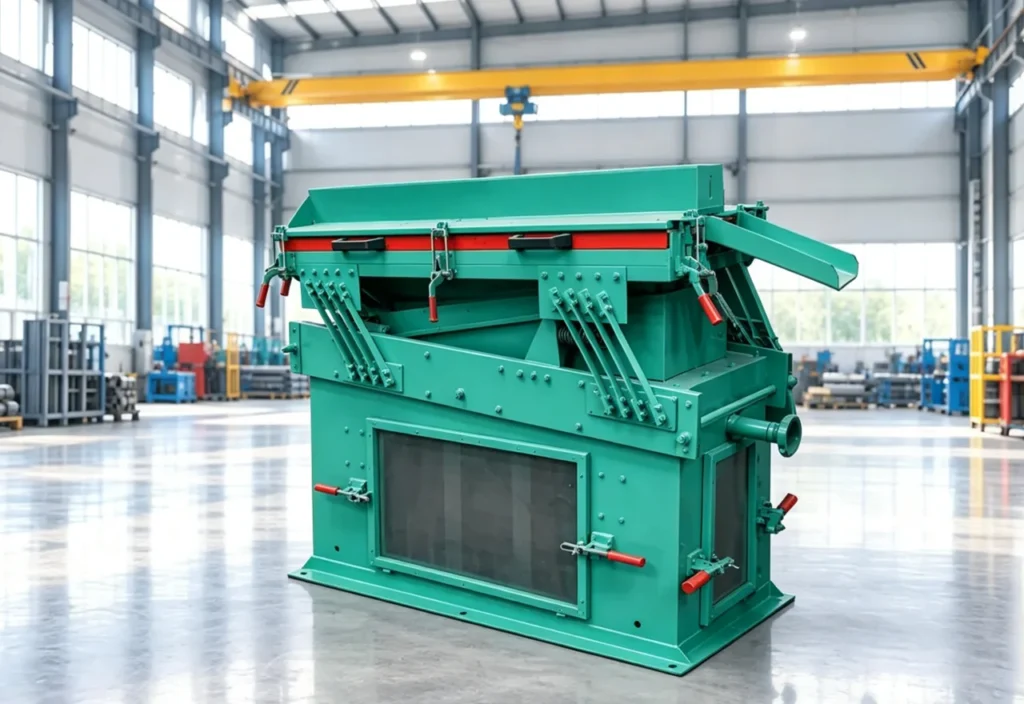
Air Gravity Separator
Separation Equipment Process role: Fraction Separation

Air Gravity Separator

The Air Gravity Separator is a dry physical separation unit for classifying prepared granular material according to density, particle size and aerodynamic behavior.

View Equipment →
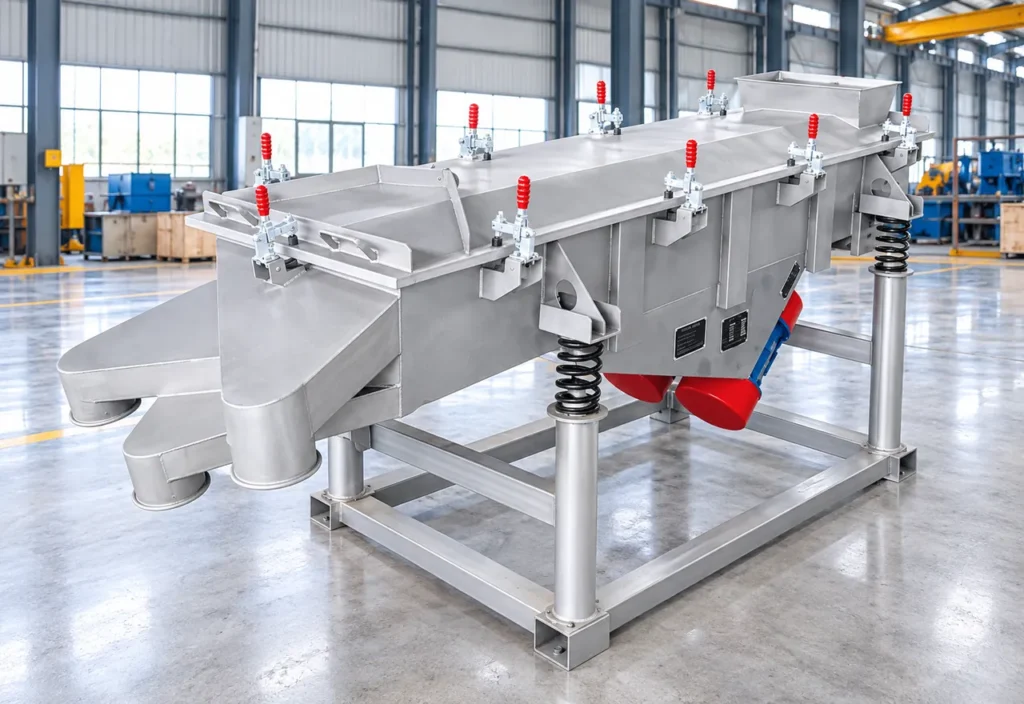
Vibratory Separator
Separation Equipment Process role: Fraction Separation

Vibratory Separator

The Vibratory Separator is a linear screening machine designed to classify granular and powdered recycling materials into different particle-size fractions.

Screening decks: Configurable 1–5
View Equipment →
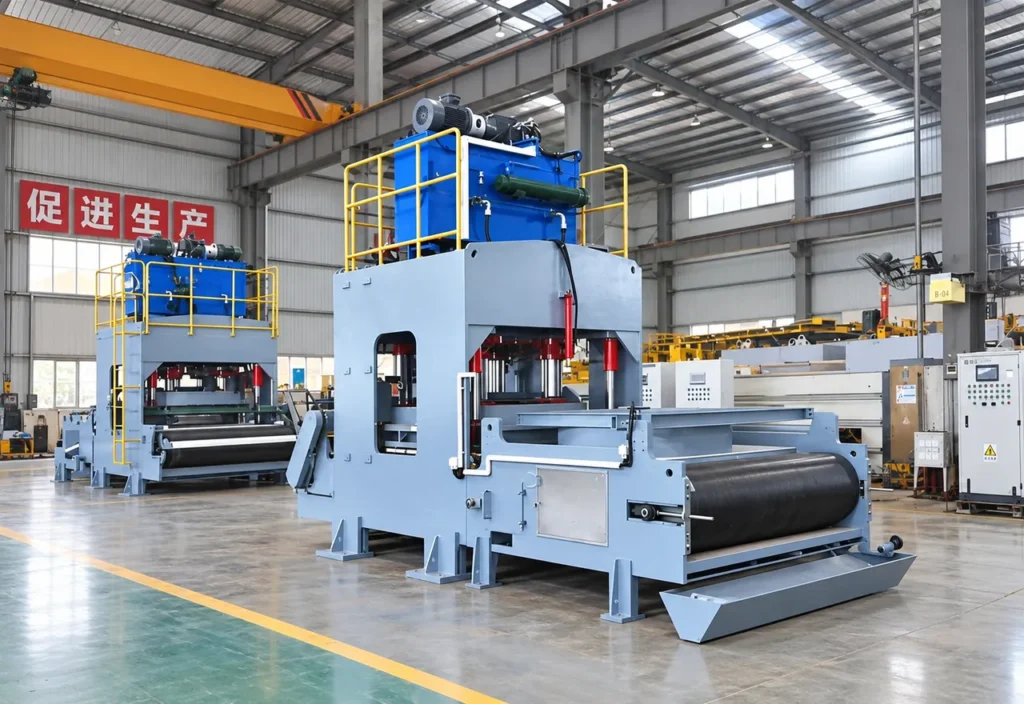
Hydraulic Dewatering Machine
Separation Equipment Process role: Fraction Separation

Hydraulic Dewatering Machine

The Hydraulic Dewatering Machine is a high-pressure solid-liquid separation system for sludge, slurry and other high-moisture industrial materials.

Representative model: XM-500/5000 Capacity: approx. 10–28 t/h
View Equipment →

04 / Selection Guide

Use material and task to guide the first conversation

This page narrows the product type for evaluation; it does not replace engineering selection.

Step 01 / What material condition? Step 02 / What is the task?
Selection result / indicative

Start with an engineering review.

Choose a material condition and a processing task to see whether this category is relevant to evaluate first.

07 / Process Integration

Equipment category in the broader recovery sequence

Highlighted stages show typical positions for the category, not a fixed line configuration.

01 / Upstream

Preparation

Material inspection and controlled loading.

02 / Category role

Separation Equipment

The process task this equipment family is selected to perform.

03 / Category role

Next process stage

Further processing or controlled transfer as required.

04 / Downstream

Screening & Separation

Fraction classification and recovery.

05 / Output

Recovered Fractions

Materials routed to the next recovery step.

08 / Engineering Criteria

Why product images and a capacity number are not enough

Selection is an engineering decision based on interacting material, process and site conditions.

Material profile
Composition, size, density, hardness, moisture and hazard.
Process objective
Opening, reduction, liberation, feed control or downstream preparation.
Operating duty
Throughput, hours, peak loads and material variation.
Output relationship
How output relates to mechanism and downstream equipment.
Safety controls
Discharge, temperature, dust, fire and control interlocks.
Site integration
Utilities, space, transfer height and maintenance access.
10 / Category Enquiry

Request category selection support

Share the material and process objective. The first response should identify suitable equipment types, configuration questions and integration needs.

Prepare if available:
Material photos, maximum piece size, expected capacity, target output, process layout and current project stage.