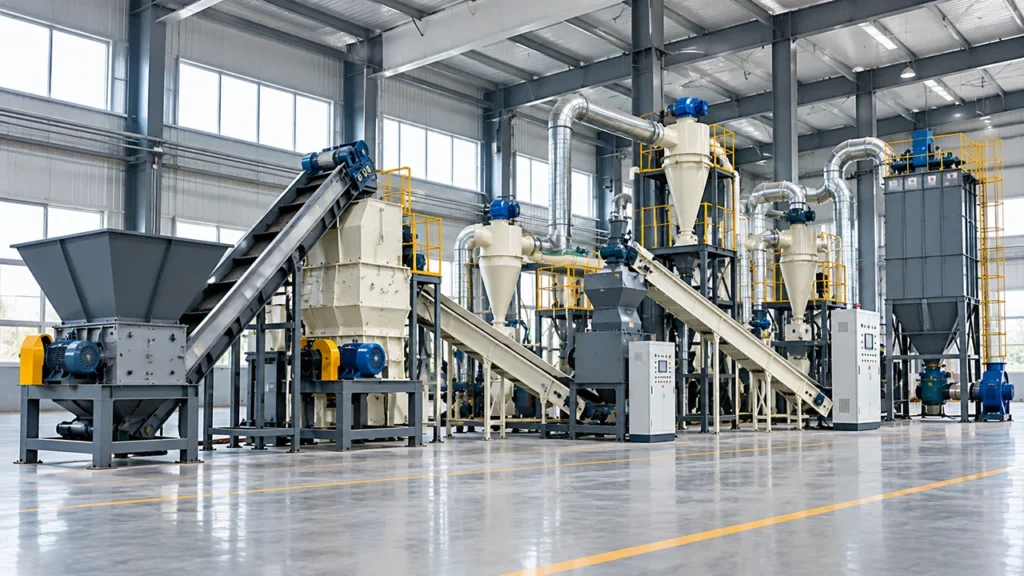
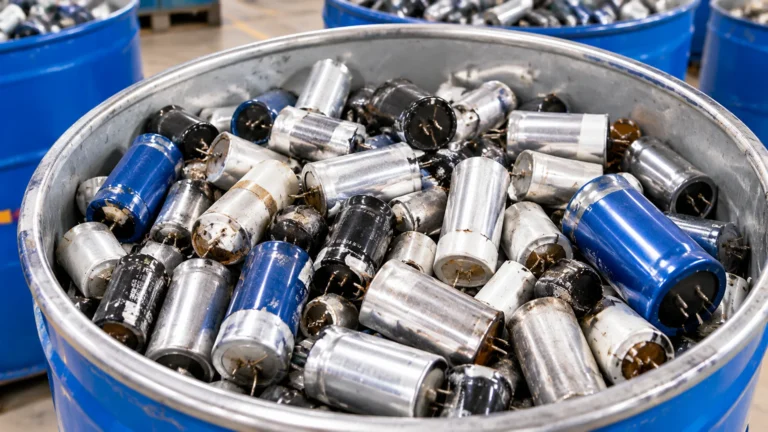
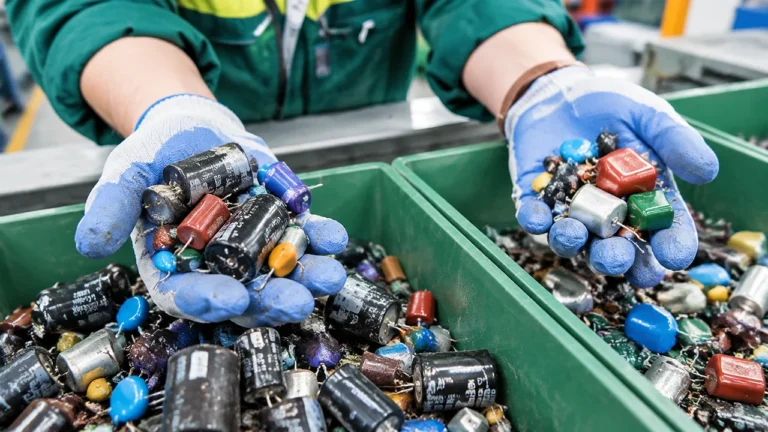
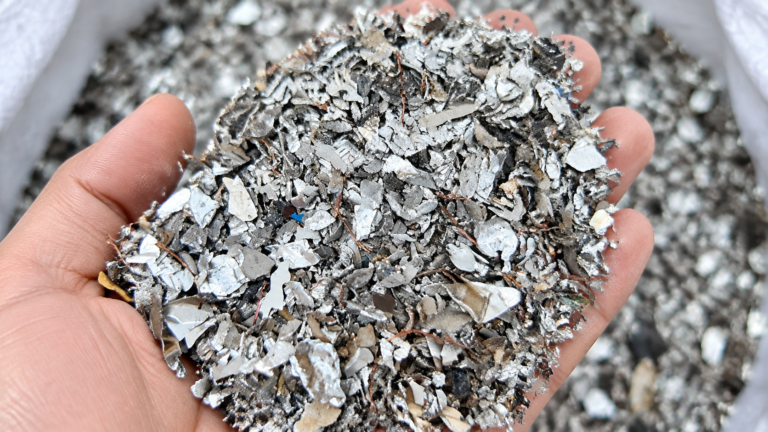
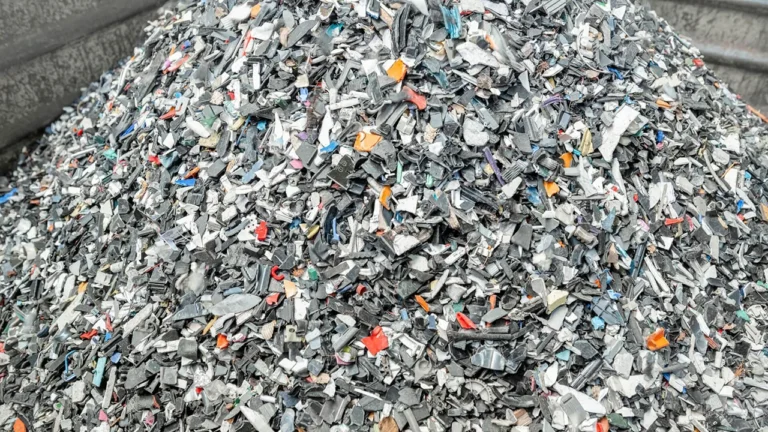
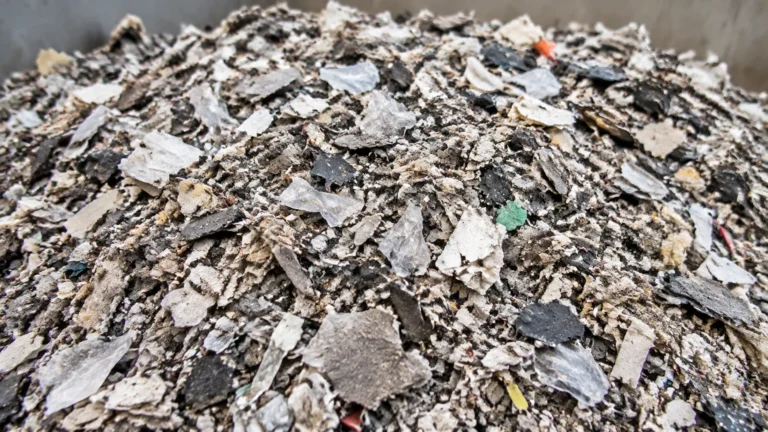
Waste capacitors are composite electronic components containing metal shells, foil, terminals or internal pins together with paper, rubber, plastics and other non-metal materials. BREM configures the line to mechanically open the capacitors and separate these materials through staged dry physical processing.
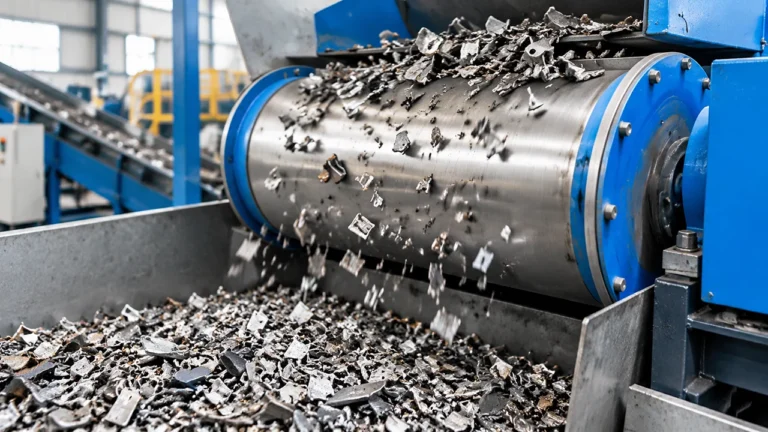
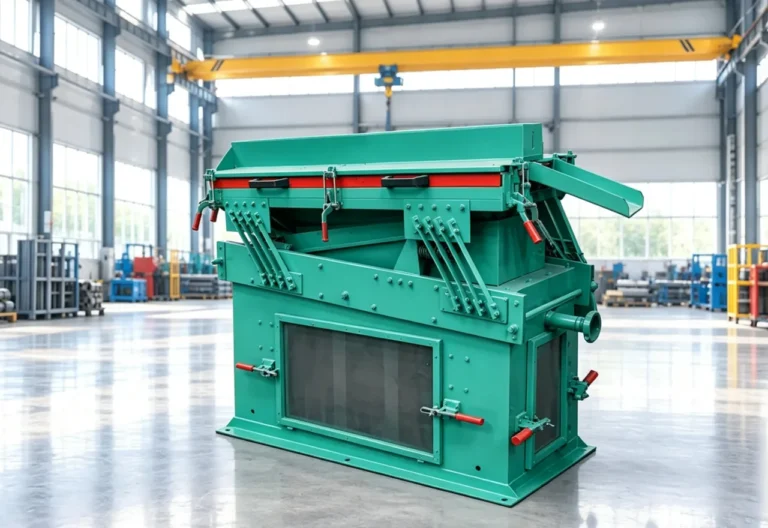
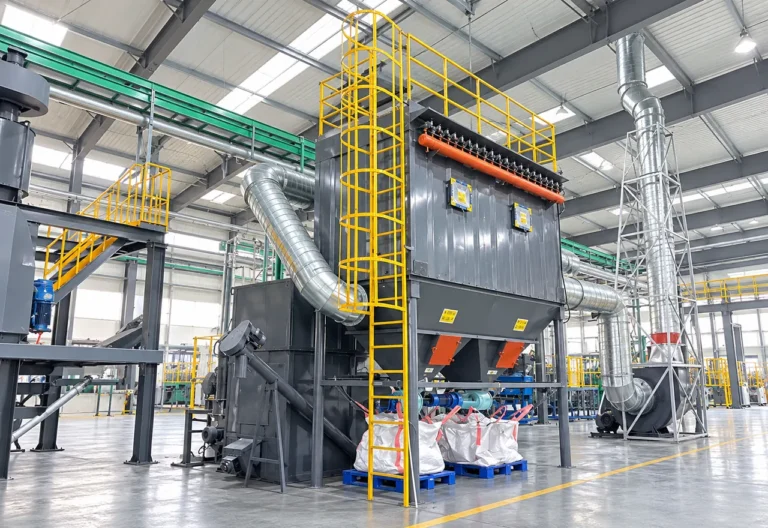
The supplied process starts with multi-knife crushing to break open the capacitor structure and release the internal material. After crushing, airflow or gravity separation removes light fractions such as paper and part of the plastic/rubber content from heavier metal-bearing material.
Magnetic separation is then used to recover magnetic terminal or pin material, while eddy-current separation is used to separate non-ferrous aluminum from the remaining non-metal fraction. This staged approach allows metal and non-metal materials to be collected as independent output streams.
The line is intended for prepared waste capacitor feed. Capacitors containing unknown liquids, hazardous chemicals or unusually large components must be reviewed before processing so that suitable pretreatment, containment and environmental-control measures can be defined.
01 — Multi-Stage Material Liberation: Multi-knife crushing opens the capacitor structure and releases shell, foil, terminals and non-metal internal material for downstream separation.
02 — Magnetic Metal Separation: Magnetic terminal or iron-containing pin fractions are removed from the crushed material before non-ferrous separation.
03 — Aluminum Recovery: Eddy-current separation recovers conductive non-ferrous aluminum from rubber, plastic, paper and other non-metal fractions.
04 — Dry Physical Process: The core process uses crushing and physical separation rather than wet chemical treatment.
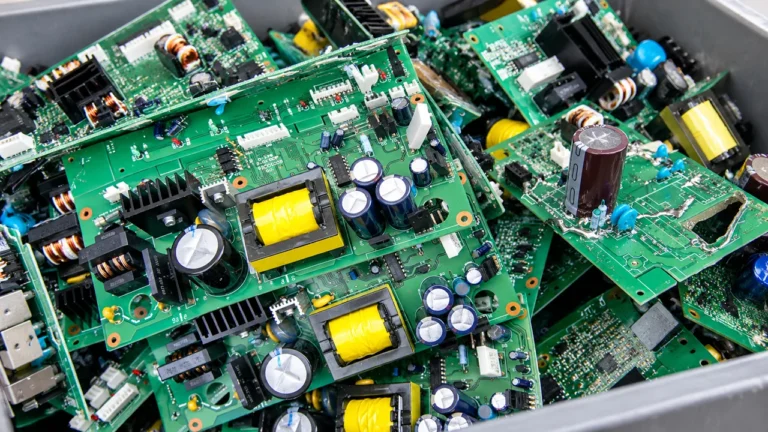
This page describes a waste-capacitor crushing and dry-separation route. It is not a lithium-battery recycling line and not a copper-clad laminate / PCB electrostatic-separation line.