
Production Line
Lithium Battery Recycling Line
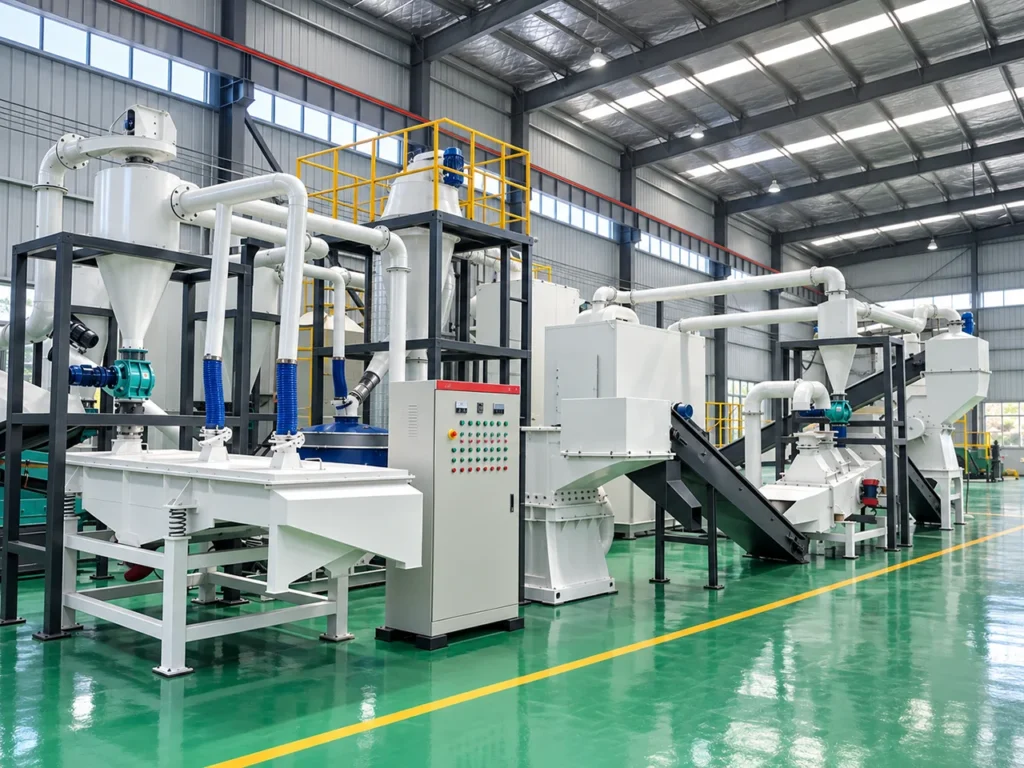
Integrated lithium-ion battery recycling systems for controlled size reduction, material separation and black mass recovery. Configured around your feedstock, required throughput and target recovered fractions.
01 / Production line overview
Line overview
Waste lithium-ion cells and prepared battery material
An integrated industrial line configured around waste lithium-ion cells and prepared battery material, target output quality and required throughput.
Processing flow: Discharge → shredding → crushing → air classification → magnetic separation → screening → density separation → black mass collection.
The final route is defined after feedstock review and, where appropriate, material testing.
02 / Feedstock & Outputs
What the Line Processes — and What It Produces
Configured for different lithium-ion battery feedstocks and target recovery requirements, with typical outputs including black mass, copper, aluminum and separated electrode materials.
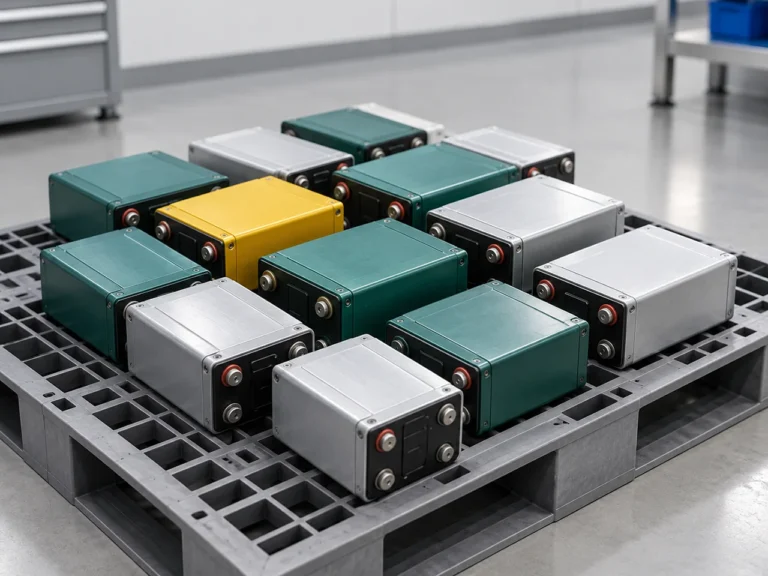
Suitable Feedstock
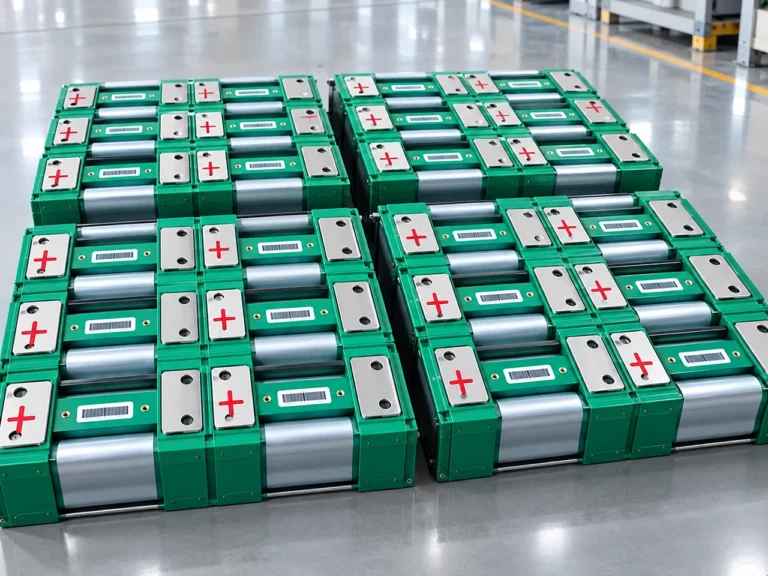
Spent EV Lithium-ion Batteries
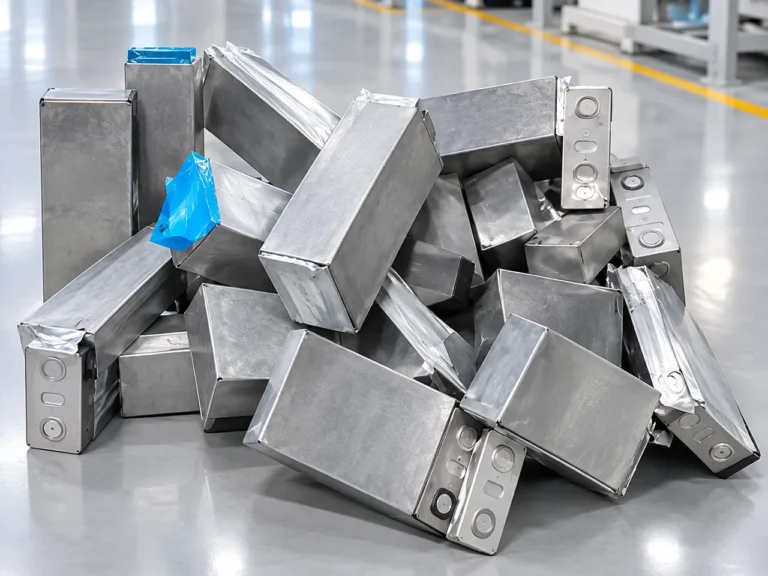
Spent Steel-Cased Lithium-ion Batteries
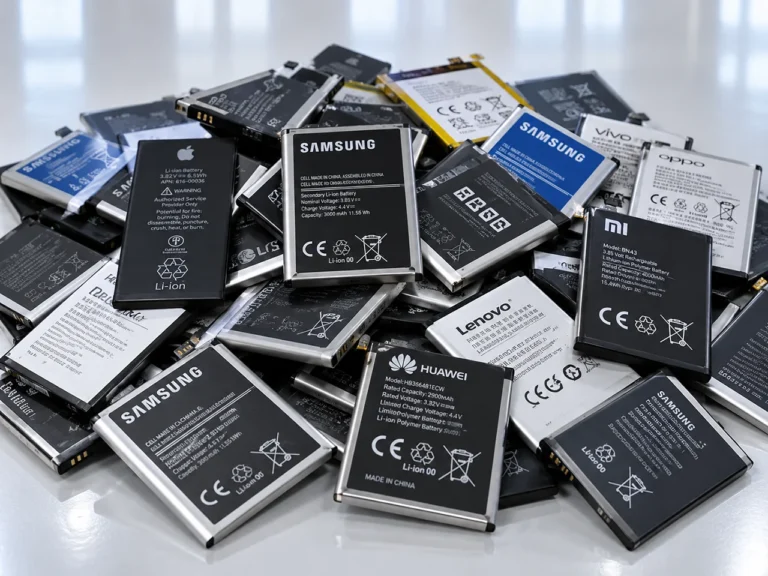
Spent Mobile Phone Lithium-ion Batteries
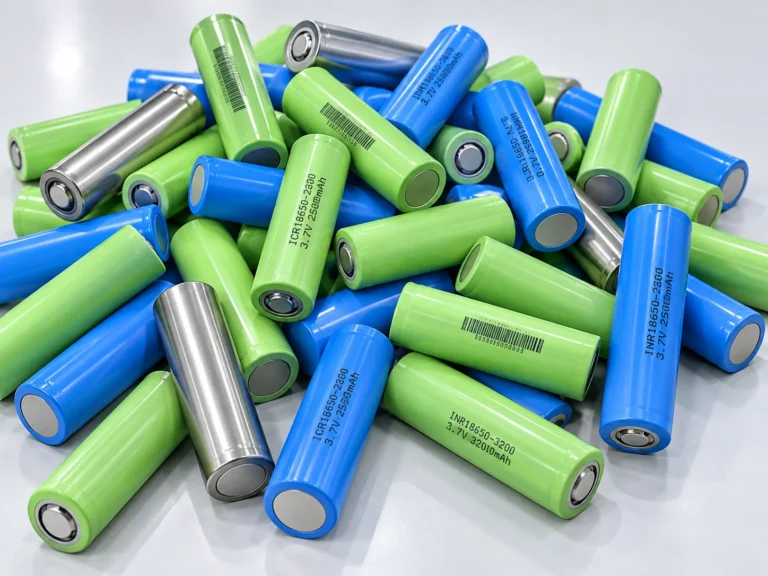
Spent Cylindrical Lithium-ion Batteries
Recovered Material Fractions
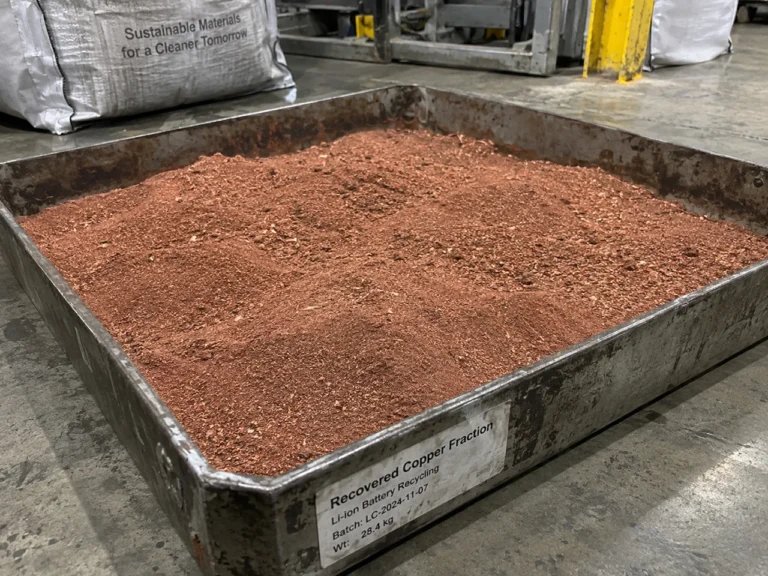
Copper Fraction
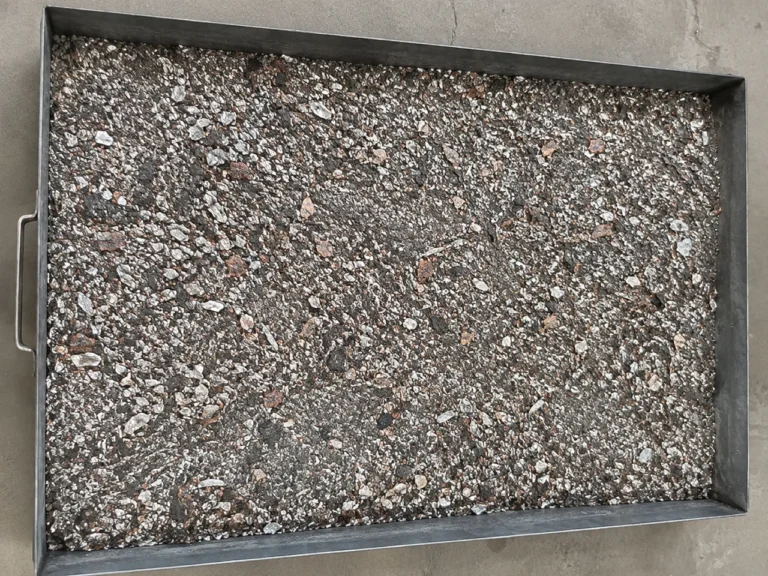
Copper-Aluminum Mixed Fraction
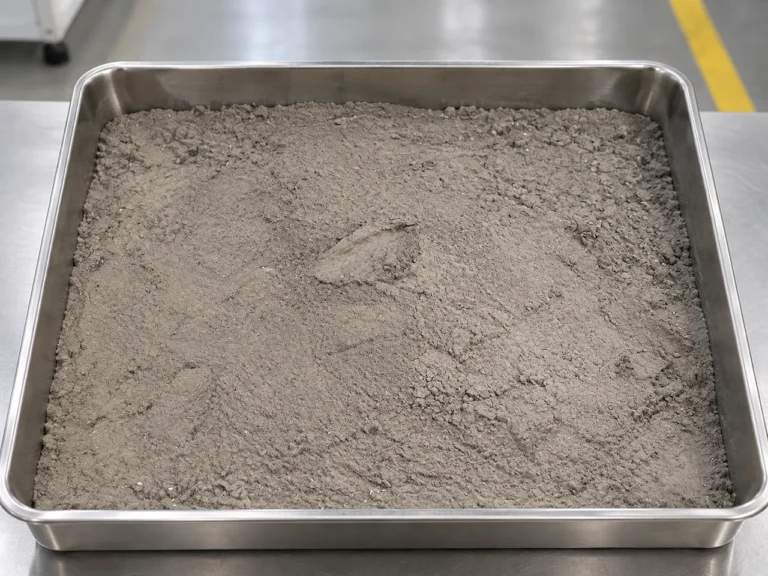
Fine Electrode Material Fraction
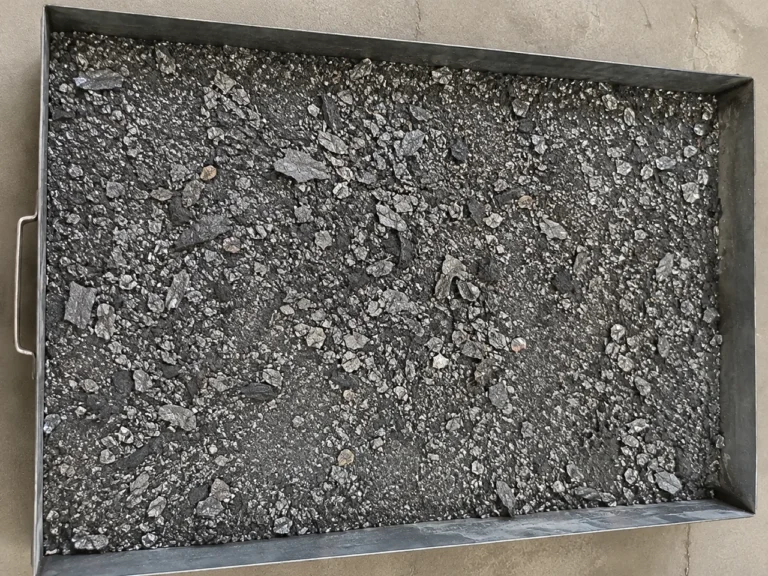
Graphite-Rich Fraction
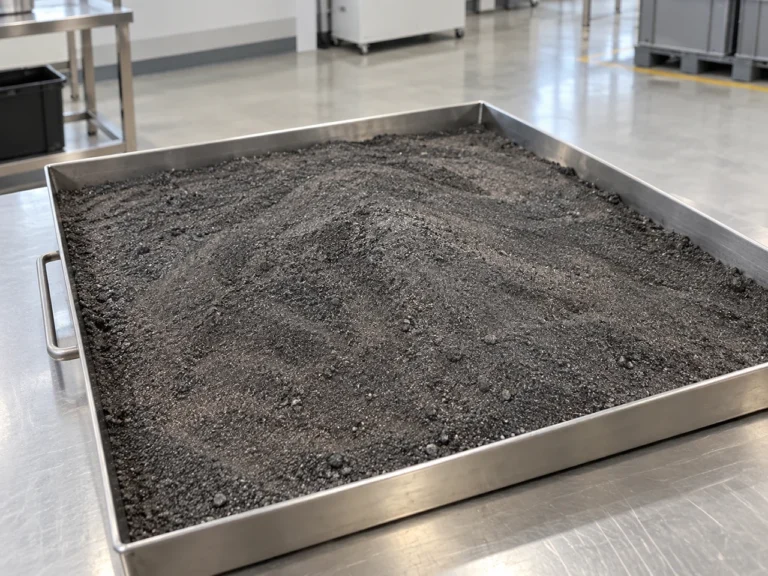
High-Purity Black Mass
Final feedstock acceptance and product quality depend on material review and the approved process proposal. No purity or recovery figures are implied here.
03 / Complete Production Line & Process Overview
Complete Process Overview
The recycling line integrates controlled size reduction, classification, separation, material collection and environmental control into one coordinated process. Individual stages are configured according to feedstock characteristics, required throughput and target recovered fractions.
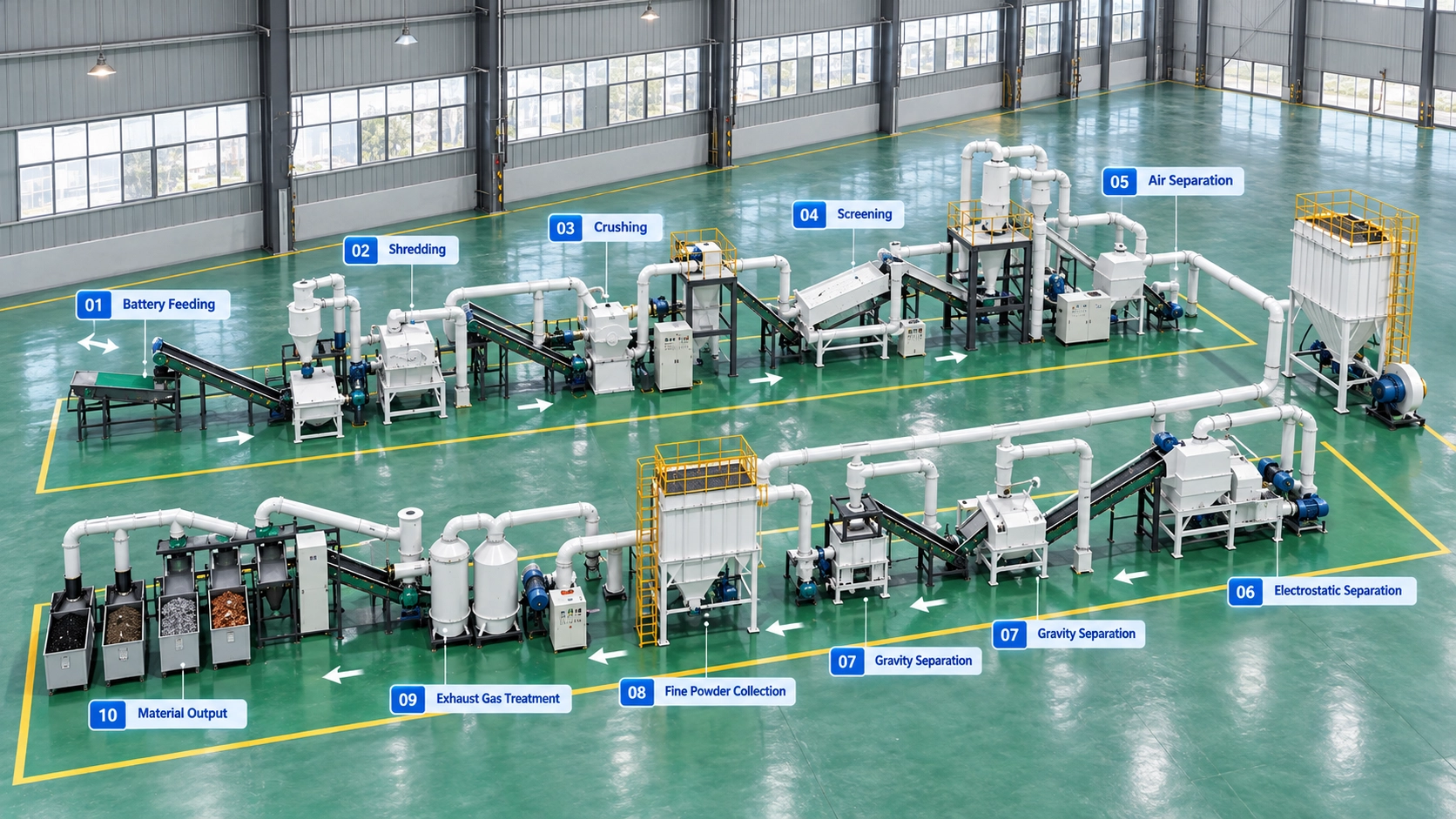
Process flow
The process progresses from controlled feeding and size reduction to classification, separation, black mass recovery and final material collection.
Controlled Feeding
Prepared battery feedstock is introduced into the processing line through a controlled conveying system to maintain stable and consistent downstream operation.
Primary Shredding
Primary shredding opens the battery structure and reduces the feed material to a controlled size for subsequent crushing and separation.
Secondary Crushing
Further size reduction improves material liberation, helping separate electrode materials, metals and polymer-containing fractions.
Screening & Classification
Processed material is classified by particle size, separating fine powder fractions from larger particles for subsequent recovery stages.
Air Separation
Air classification uses differences in aerodynamic behavior to separate lighter and heavier material fractions.
Electrostatic Separation
Where required, electrostatic separation helps refine conductive and non-conductive material fractions to improve downstream material recovery.
Gravity Separation
Density-based separation further concentrates mixed solid fractions according to differences in material density.
Black Mass & Fine Powder Collection
Fine powder and black-mass-rich fractions are captured and collected through a controlled material collection system for downstream processing or refining.
Dust & Exhaust Treatment
Dust and process exhaust generated during size reduction and separation are collected and routed through the configured environmental-control system.
Recovered Material Output
Recovered material fractions are discharged separately for collection, storage, downstream refining or further processing.
04 / Main Equipment Configuration
Main equipment configuration
Core equipment is selected and combined according to feedstock characteristics, target throughput, required output fractions and the final process route.
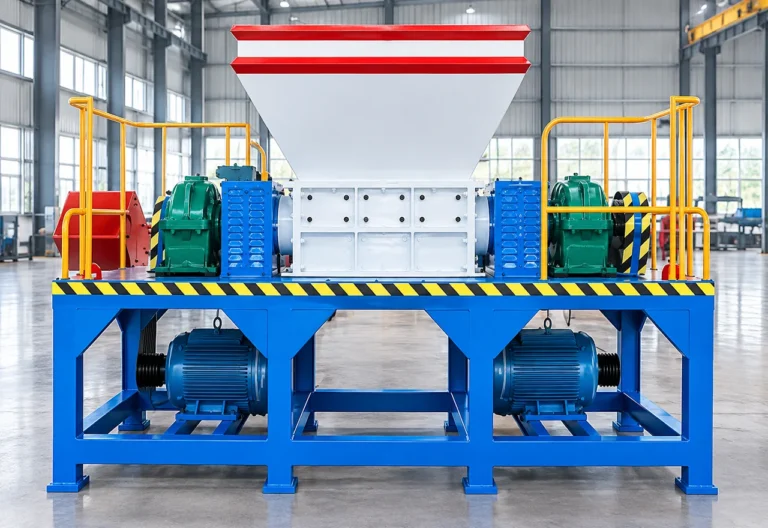
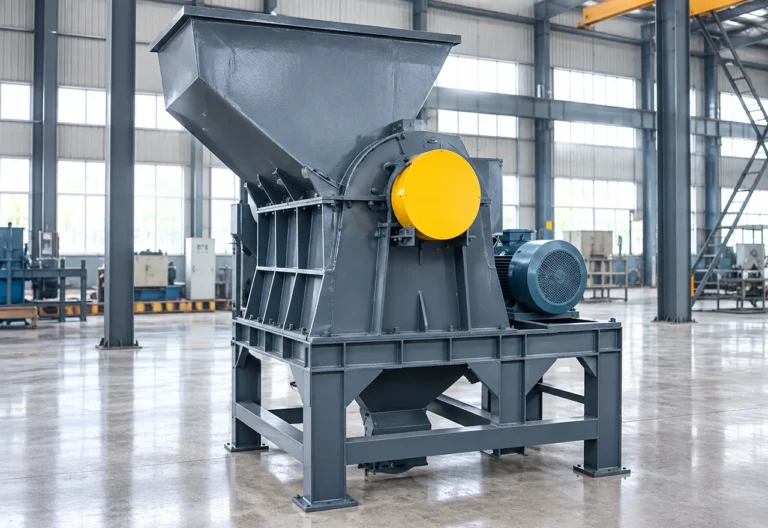
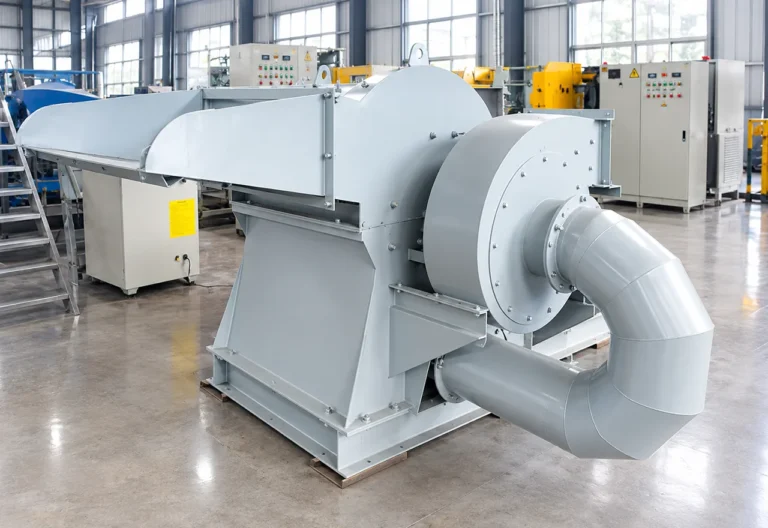
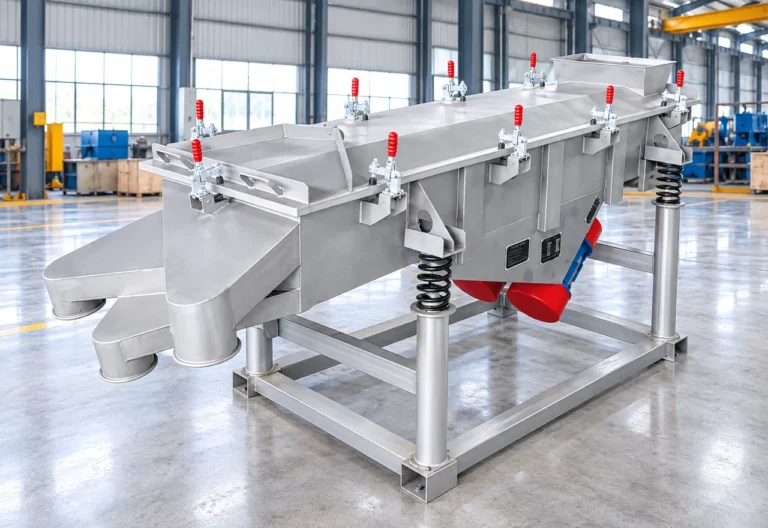
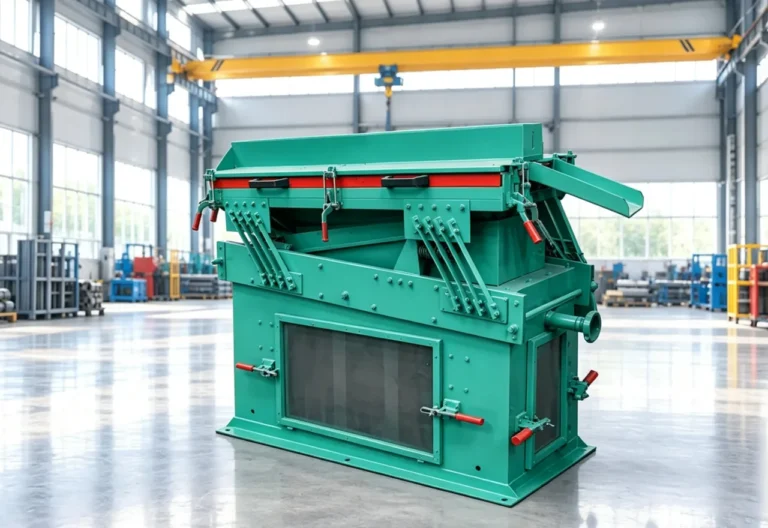
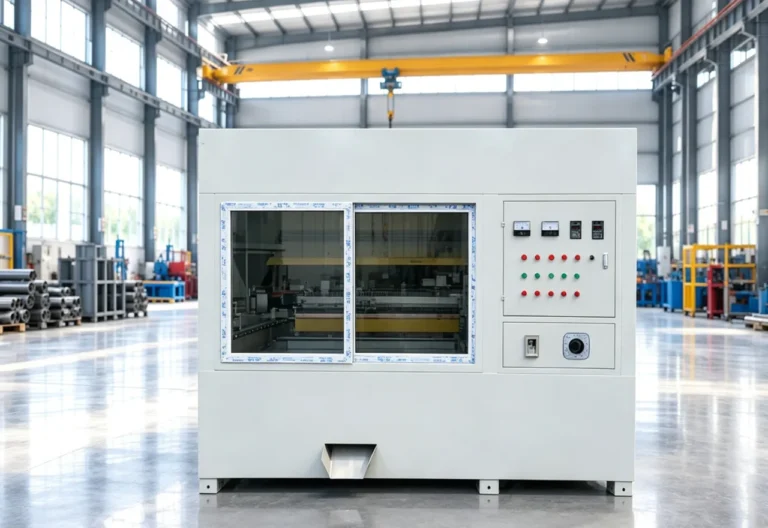
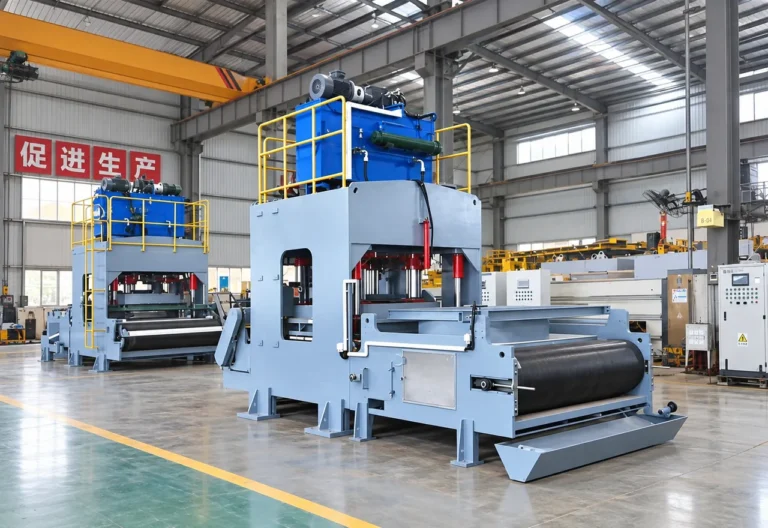
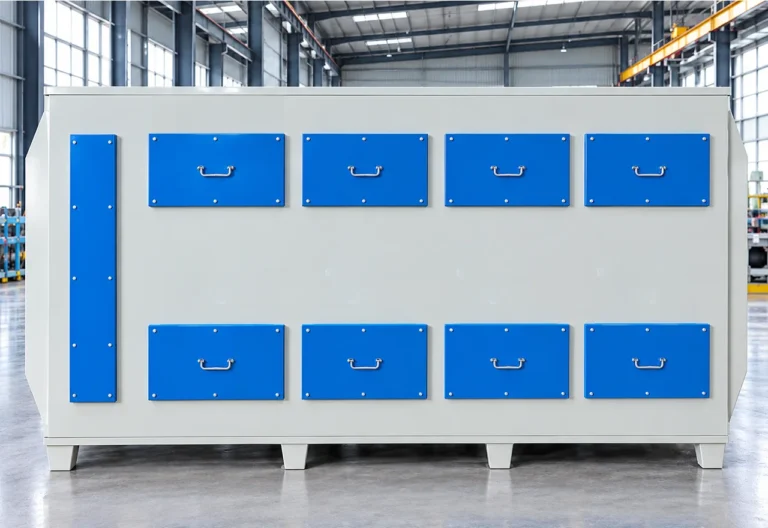
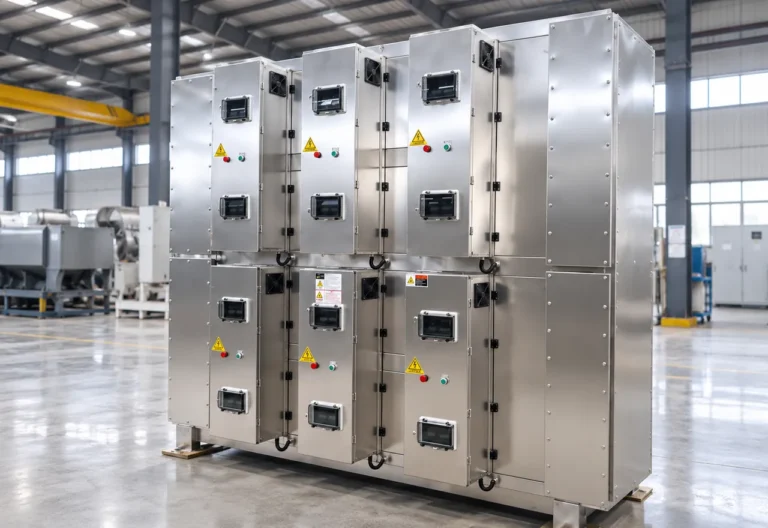
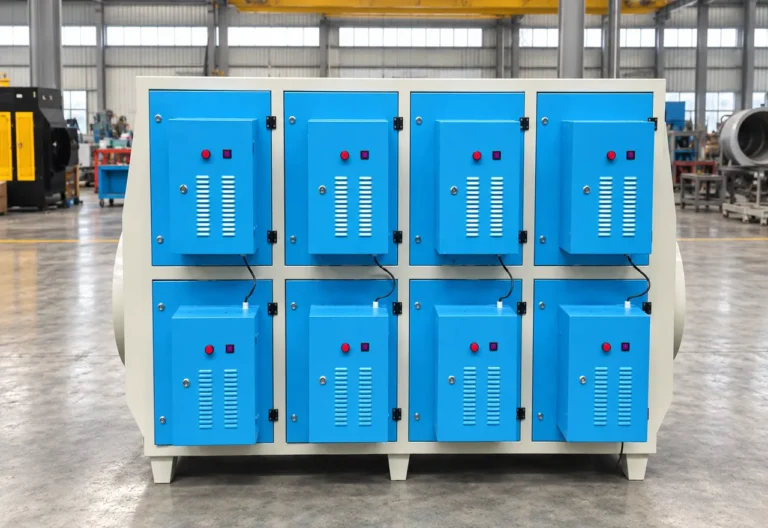
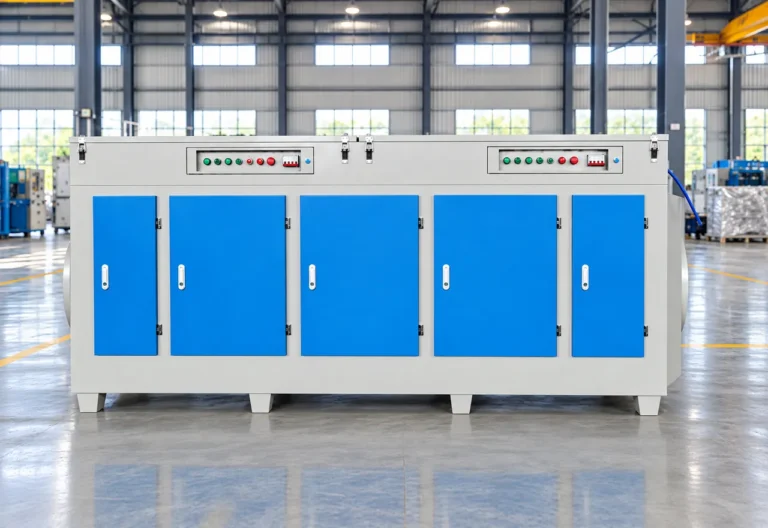
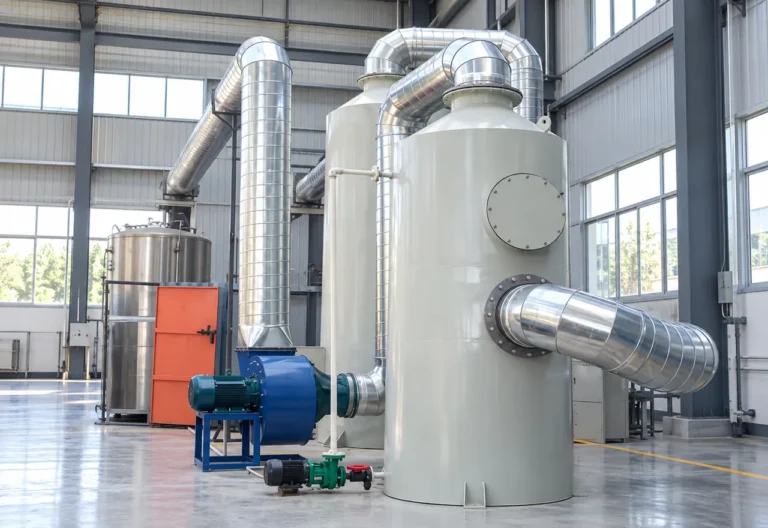
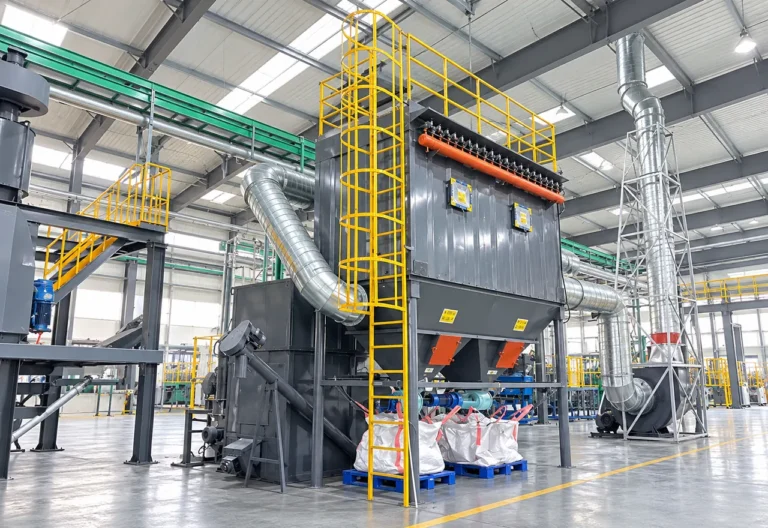
Final equipment configuration is determined by feedstock condition, required capacity, target outputs and site-specific process requirements.
05 / Technical Parameters
Technical Parameters
Key operating parameters are configured according to feedstock condition, required throughput, target recovered fractions and site-specific project requirements.
| Parameter | Specification |
|---|---|
| Processing Capacity | 500–1000 kg/h |
| Applicable Feedstock | Lithium-ion cells, dismantled module materials and prepared battery material |
| Applicable Battery Chemistry | LFP / NMC / NCA |
| Processing Method | Mechanical / physical separation |
| Recovered Fractions | Black mass / copper / aluminum / electrode material fractions |
| Automation Level | PLC-controlled |
| Installed Power | Project-specific |
| Typical Floor Space | Project-specific |
| Operating Mode | Continuous |
| Dust Control | Negative-pressure collection |
| Exhaust Treatment | Configured according to process and local requirements |
| Utilities | Electricity / compressed air / process water as required |
06 / Output Quality
Recovered Material Quality
Recovered material quality depends on battery chemistry, feedstock condition, preprocessing route and production-line configuration. Representative material testing is recommended when defining final recovery targets.
High-Purity Black Mass
Fine active-material fraction recovered after crushing, screening and separation.
- Particle Size
- Project / test dependent
- Moisture
- Measured according to project testing
- Composition
- Determined by feedstock chemistry and separation configuration
- Recovery Performance
- Confirmed through representative material testing
- Downstream Use
- Suitable for downstream refining or hydrometallurgical processing, subject to material specification.
Fine Electrode Material Fraction
Liberated electrode powder fraction prepared for further classification or refining.
- Particle Size
- Project / test dependent
- Moisture
- Measured according to project testing
- Composition
- Feedstock and process dependent
- Recovery Performance
- Confirmed through representative material testing
- Downstream Use
- Suitable for further separation or refining routes subject to specification.
Copper-Aluminum Mixed Fraction
Mixed conductive metal fraction recovered from mechanical separation stages.
- Particle Size
- Project / test dependent
- Moisture
- Measured according to project testing
- Composition
- Feedstock and process dependent
- Recovery Performance
- Confirmed through representative material testing
- Downstream Use
- Suitable for further metal separation or recycling, subject to material specification.
Graphite-Rich Fraction
Carbon-rich fraction concentrated during classification and separation.
- Particle Size
- Project / test dependent
- Moisture
- Measured according to project testing
- Composition
- Feedstock and process dependent
- Recovery Performance
- Confirmed through representative material testing
- Downstream Use
- Suitable for further processing subject to project requirements.
Recovered Copper Fraction
Copper-rich fraction recovered from the mechanical separation process.
- Particle Size
- Project / test dependent
- Moisture
- Measured according to project testing
- Composition
- Feedstock and process dependent
- Recovery Performance
- Confirmed through representative material testing
- Downstream Use
- Suitable for metal recycling routes subject to material specification.
07 / Safety Engineering
Integrated Safety for Lithium Battery Processing
Safety measures and protection functions are configured according to the actual process design, feedstock characteristics and project requirements.
Controlled Feeding
Stable feed management reduces sudden load changes and helps maintain safer, more consistent line operation.
Temperature Monitoring
Critical operating points can be monitored for abnormal temperature conditions during processing.
Inert Gas Protection
Optional nitrogen-based protection can be integrated into configurations requiring controlled oxygen levels.
Negative Pressure
Controlled extraction helps reduce the escape of dust and process gases from enclosed processing zones.
Fire / Explosion Protection
Project-specific detection, suppression, isolation or pressure-relief measures can be configured according to process risk.
PLC Interlocks
Automatic interlocks and shutdown logic support safer operation when abnormal conditions are detected.
08 / Environmental Control
Dust & Exhaust Treatment Integrated Into the Line
Integrated dust and exhaust treatment systems help control process emissions and support cleaner, more stable plant operation.
Dust Collection
Process dust can be captured through cyclone and pulse-jet filtration modules.
Scrubbing
Wet scrubbing can be configured where gas conditioning is required.
Adsorption / Purification
Activated-carbon or other purification modules can be added according to exhaust characteristics.
09 / Real Project Case
Real Project Case
A real-world project example showing how the production line can be configured around feedstock, capacity and site requirements.
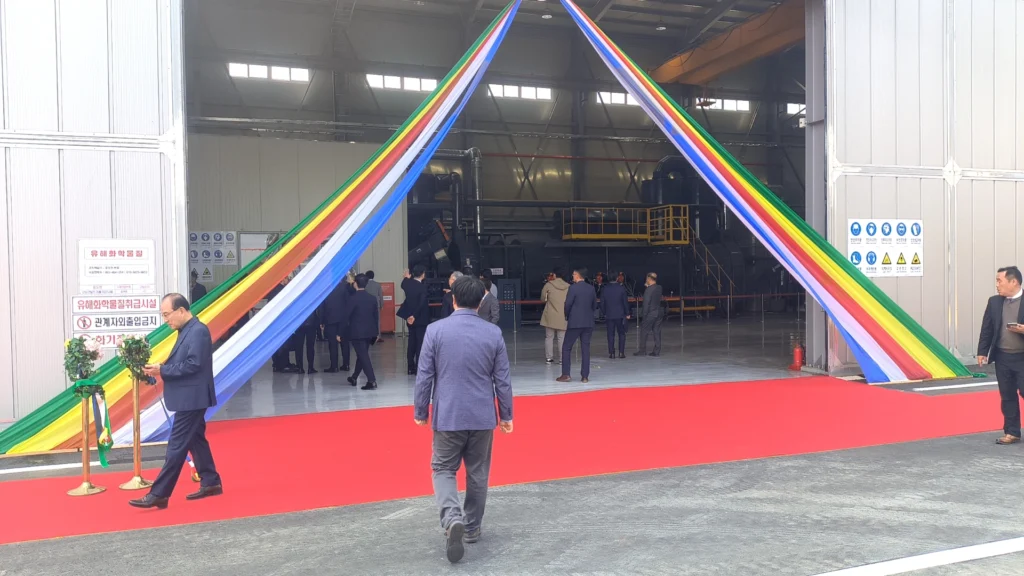
1000 kg/h Lithium Battery Recycling Line
This 1000 kg/h lithium battery recycling line was configured as a complete processing system, with the main equipment, conveying, separation and environmental-control modules integrated into one coordinated production line.
- Location
- South Korea
- Feedstock
- Lithium battery
- Capacity
- 1000 kg/h
- Outputs
- Black mass / Cu / Al
- Scope
- Design / Manufacturing / Installation / Commissioning
Project layouts, equipment configurations and performance parameters vary according to feedstock, site conditions and production requirements.
10 / FAQ
Frequently Asked Questions
Resolve feedstock, safety, capacity and configuration questions before the engineering enquiry.
What types of lithium batteries can this recycling line process?
The line can be configured for different lithium-ion battery feedstocks, including cylindrical and prismatic cells, prepared battery material and selected dismantled module materials. Final configuration depends on battery format, chemistry, feed condition and the required recovery targets.
Is discharge required before shredding?
Discharge requirements depend on the condition and state of the incoming batteries. For charged or partially charged batteries, an appropriate discharge or other safety pretreatment step should be completed before size reduction. The required pretreatment method is determined according to the feedstock and project safety design.
Can the same line process both LFP and NMC batteries?
Yes, a production line can be configured to process both LFP and NMC battery materials, but operating parameters and separation settings may need to be adjusted for different chemistries. Feedstock testing is recommended before finalizing the process configuration.
What processing capacities are available?
Processing capacity is configured according to the required throughput, feedstock characteristics, operating hours and target output quality. BREM can design the line around the customer's project requirements rather than using one fixed capacity for every application.
What determines black mass quality and recovery performance?
Black mass quality and recovery performance depend on factors such as battery chemistry, feedstock condition, degree of material liberation, particle-size control, separation configuration and operating parameters. Representative material testing helps define realistic recovery targets before the final process design is confirmed.
How much floor space and installed power are required?
Floor space and installed power are project-specific and depend on processing capacity, equipment configuration, environmental-control requirements, material handling layout and site conditions. These values should be confirmed after the process route and equipment list are finalized.
What dust and exhaust treatment systems can be included?
Depending on the process and local environmental requirements, the line can be equipped with dust collection, negative-pressure extraction, scrubbing, adsorption and other exhaust-treatment modules. The final environmental-control system is selected according to the actual emission sources and project conditions.
Do you provide installation, commissioning and operator training?
Yes. BREM can provide project support covering equipment installation guidance, commissioning, operator training and process adjustment according to the agreed project scope. The exact service scope should be confirmed in the technical proposal and contract.
11 / Request a Technical Proposal
Request a Technical Proposal
Tell us your feedstock, capacity and target outputs. Our engineering team will prepare a preliminary process configuration for your project.
You can also upload material photos, equipment images, plant layouts or technical documents.