Industry & Market
PCB Recycling Market Development in Southeast Asia
The PCB recycling market in Southeast Asia is entering a new stage of development as electronics manufacturing, e-waste generation, data centers, automotive electronics, and…
The PCB recycling market in Southeast Asia is entering a new stage of development as electronics manufacturing, data centers, consumer electronics, telecommunications, and industrial equipment continue to expand across the region.
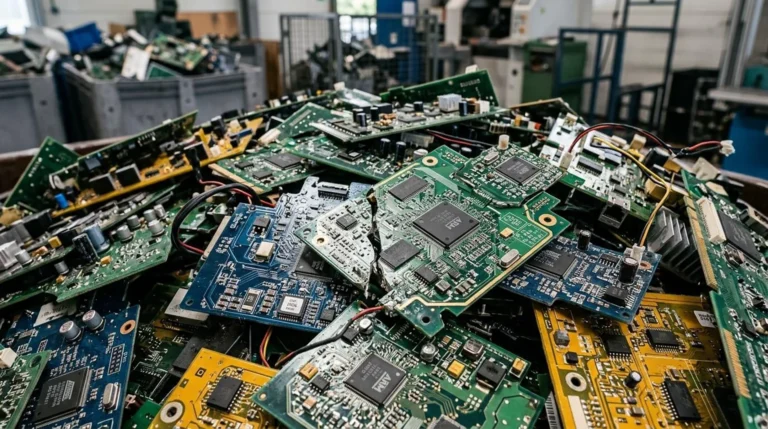
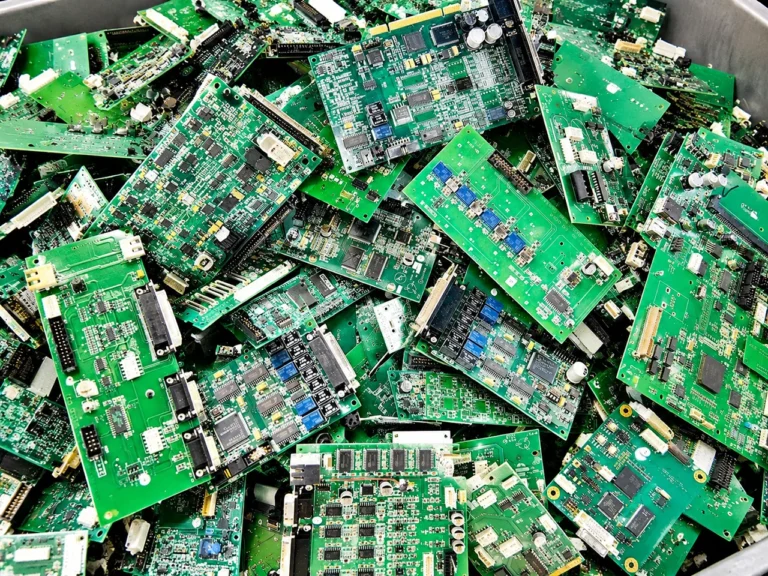
Printed circuit boards, commonly known as PCBs, are essential components in almost every modern electronic device. As electronic equipment reaches the end of its useful life, increasing volumes of discarded circuit boards are entering the waste stream. At the same time, PCB manufacturing generates production scrap that contains valuable metals and other recoverable materials.
This combination of growing electronic waste, expanding manufacturing capacity, rising demand for secondary raw materials, and stronger environmental awareness is creating new opportunities for PCB recycling companies across Southeast Asia.
Countries including Singapore, Malaysia, Thailand, Vietnam, Indonesia, and the Philippines are developing increasingly important roles in regional electronics supply chains. As these markets continue to attract electronics manufacturing investment, PCB recycling is likely to become an increasingly important part of the region’s circular economy.
Southeast Asia’s Electronics Industry Is Expanding
One of the most important factors supporting PCB recycling market development is the expansion of electronics manufacturing in Southeast Asia.
The region has attracted manufacturers involved in semiconductors, consumer electronics, electrical equipment, automotive electronics, telecommunications, industrial products, and data-center infrastructure.
As production capacity grows, manufacturers generate increasing quantities of PCB-related production scrap.
This scrap can include defective circuit boards, rejected components, excess materials, production offcuts, and other manufacturing residues.
Unlike some mixed electronic waste streams, manufacturing scrap can have relatively consistent material characteristics. This can make it an attractive feedstock for specialized recyclers.
E-Waste Is Creating a Growing Feedstock Base
Manufacturing scrap is only one source of recyclable PCBs.
The region is also generating increasing quantities of electronic waste as consumers and businesses replace computers, smartphones, telecommunications equipment, appliances, industrial electronics, and other devices.
Electronic waste can contain significant quantities of circuit boards.
The composition of PCB waste varies depending on the equipment from which it originates. High-value boards from telecommunications, industrial equipment, servers, and other specialized applications may contain higher concentrations of copper, gold, silver, palladium, and other valuable materials.
This creates an economic incentive to recover materials rather than simply dispose of obsolete electronic equipment.
Why PCBs Are Valuable for Recycling
PCBs are attractive recycling feedstocks because they contain a combination of metals and other materials.
Depending on the type of circuit board, recoverable materials can include:
- Copper
- Gold
- Silver
- Palladium
- Tin
- Nickel
- Aluminum
- Iron
- Other metals and engineering materials
Copper is generally present in relatively significant quantities and is an important source of value.
Precious metals such as gold, silver, and palladium are usually present in much smaller concentrations, but their higher market values can contribute significantly to the overall economics of PCB recycling.
The challenge is developing processing systems that can recover these materials efficiently while controlling operating costs and environmental impacts.
Singapore Can Support High-Value Recycling Activities
Singapore occupies a unique position in Southeast Asia’s electronics and logistics ecosystem.
The country has developed strong capabilities in electronics manufacturing, advanced industrial services, logistics, waste management, and technology.
Its strategic location and established infrastructure can support the movement and processing of electronic waste from regional markets.
Singapore’s emphasis on resource efficiency and sustainable industrial development may also create opportunities for higher-value recycling technologies.
Rather than focusing exclusively on low-value material recovery, advanced facilities can potentially concentrate on material separation, refining, resource recovery, and other specialized services.
Malaysia Is an Important Electronics Manufacturing Hub
Malaysia has a well-established electronics and semiconductor industry, particularly in areas such as Penang and other industrial regions.
The country’s manufacturing ecosystem generates PCB production scrap and other electronic materials that can potentially be recovered.
Malaysia also has an established waste-management and recycling sector, providing a foundation for the development of more specialized electronic waste processing capabilities.
As electronics production continues to expand, demand for reliable PCB waste collection and recycling services is expected to increase.
The development of stronger connections between electronics manufacturers and recyclers could help improve material recovery while reducing industrial waste.
Thailand Is Developing Its Electronics Recycling Ecosystem
Thailand has a diversified electronics and electrical equipment manufacturing industry.
The country is also an important automotive production center, and the increasing use of electronic systems in vehicles is creating additional demand for electronic components.
Automotive electronics can eventually become a significant source of PCB-containing waste as vehicles and electronic modules reach the end of their useful lives.
Thailand’s growing focus on the circular economy may support further development of electronic waste collection, sorting, dismantling, and recycling infrastructure.
Vietnam Is Becoming Increasingly Important
Vietnam has attracted significant electronics manufacturing investment in recent years.
The country has become an important manufacturing location for consumer electronics, telecommunications equipment, computers, and other electronic products.
As manufacturing capacity increases, so does the potential volume of PCB production scrap.
At the same time, Vietnam’s domestic electronic waste stream is expanding as electronic device ownership increases.
These trends could create opportunities for local PCB recycling companies as well as regional recycling networks.
Indonesia Offers a Large Long-Term Market
Indonesia represents one of the largest consumer markets in Southeast Asia.
Its large population and expanding digital economy are driving demand for smartphones, computers, household electronics, telecommunications equipment, and other electronic products.
The resulting growth in electronic waste creates a substantial long-term feedstock opportunity.
However, Indonesia also faces challenges related to collection infrastructure, waste segregation, transportation, and the formalization of recycling activities.
Developing efficient collection networks will be critical to unlocking the value contained in PCB waste.
The Philippines Has Growing E-Waste Potential
The Philippines is also experiencing increasing electronic waste generation as digital connectivity and electronic device usage expand.
The country’s large service sector, telecommunications industry, consumer market, and electronics manufacturing activities provide several potential sources of PCB-containing waste.
However, as in other developing markets, collection and formal recycling infrastructure remain important areas for further development.
Companies that can establish reliable collection systems and compliant processing operations may find opportunities in this growing market.
Mechanical Processing Is the First Step
PCB recycling generally begins with collection, sorting, dismantling, and mechanical processing.
Large electronic equipment may first be dismantled to remove batteries, cables, displays, housings, and other components.
PCBs can then be separated from other materials.
Mechanical processing technologies may include shredding, crushing, screening, magnetic separation, eddy-current separation, and other methods.
The goal is to separate different material fractions before more advanced recovery processes are applied.
Efficient mechanical separation can improve the quality of downstream feedstock and reduce processing costs.
Hydrometallurgy Can Recover Valuable Metals
Hydrometallurgical processing uses chemical solutions to dissolve and separate target metals.
This technology can potentially recover copper and precious metals from PCB materials with high selectivity.
After dissolution, additional purification and separation steps can be used to produce individual metals or chemical compounds.
The technology can provide strong recovery performance, but it also requires careful management of chemical consumption, wastewater, process safety, and operating costs.
As environmental regulations become more stringent, recyclers will increasingly need to combine high recovery rates with responsible process management.
Pyrometallurgy Remains Relevant
Pyrometallurgical processing uses high temperatures to recover metals from complex waste streams.
It can handle a variety of electronic waste feedstocks and may be suitable for large-scale processing.
However, thermal processing can require substantial energy and sophisticated emissions-control systems.
The choice between hydrometallurgical, pyrometallurgical, mechanical, or combined processing depends on the type of PCB feedstock, desired recovery products, plant scale, energy costs, environmental requirements, and overall economics.
Precious Metal Recovery Attracts Investment
One of the most attractive aspects of PCB recycling is the potential recovery of precious metals.
Gold is used in certain connectors and contact surfaces because of its excellent electrical and corrosion-resistant properties.
Silver and palladium can also be present in electronic components and circuit board materials.
Although their concentrations are relatively low, the high value of these metals can significantly affect recycling economics.
This is one reason why advanced PCB recycling operations often focus on high-value feedstocks rather than treating all electronic waste in the same way.
Copper Is a Major Revenue Driver
Copper is another important material recovered from PCBs.
Copper is widely used in conductive traces, layers, connectors, and other parts of circuit boards.
The relatively high copper content of many PCB types makes copper recovery an important part of the recycling process.
Recovered copper can potentially be returned to industrial supply chains, reducing the need for new primary material production.
Efficient copper recovery can therefore improve both the economic and environmental performance of PCB recycling.
Data Centers Could Become an Important Source of PCB Waste
The rapid development of data centers across Southeast Asia could create another long-term source of electronic waste.
Servers, networking equipment, power systems, storage devices, and other infrastructure contain significant quantities of electronic components and PCBs.
As data centers upgrade equipment to improve computing performance and energy efficiency, older hardware will eventually need to be retired.
This creates a potential source of relatively concentrated electronic materials for specialized recyclers.
The growth of artificial intelligence and cloud computing could further increase demand for data-center infrastructure, potentially expanding this future recycling feedstock.
Automotive Electronics Will Create New Opportunities
The automotive industry is becoming increasingly electronic.
Modern vehicles contain numerous control units, sensors, communication systems, displays, power electronics, and other electronic components.
Electric vehicles contain even more sophisticated electronic systems and power-management components.
As Southeast Asia expands automotive manufacturing and electric vehicle production, PCB recycling could become increasingly connected to automotive end-of-life recycling.
Specialized dismantling and material recovery systems may be required to process automotive electronic components efficiently.
Collection Infrastructure Is a Major Challenge
One of the biggest barriers to PCB recycling development in Southeast Asia is the collection of feedstock.
Electronic waste is often distributed across households, businesses, manufacturers, repair shops, distributors, and industrial facilities.
Collecting relatively small quantities from many locations can be expensive.
Manufacturing scrap can be easier to manage because it is generated at centralized facilities. Consumer electronic waste requires broader collection networks.
The development of formal collection systems could therefore have a major impact on the future availability of recyclable PCB materials.
Informal Recycling Remains an Important Issue
Informal recycling plays a significant role in parts of Southeast Asia’s electronic waste economy.
Informal operators may collect, dismantle, repair, resell, and recover materials from discarded electronics.
This activity can provide livelihoods and increase material collection rates. However, informal processing may sometimes involve inadequate environmental controls, worker protection, or hazardous material management.
The development of formal recycling systems does not necessarily mean eliminating existing collection networks. Instead, there may be opportunities to integrate informal collectors into more structured supply chains while improving safety, traceability, and environmental performance.
Regulation Will Shape Market Development
Government policy will be an important factor in the development of Southeast Asia’s PCB recycling market.
Electronic waste regulations, hazardous waste requirements, import and export controls, recycling targets, producer responsibility systems, and environmental standards can all influence how PCB waste moves through the supply chain.
Clear regulations can provide greater certainty for recycling companies and encourage investment in compliant processing facilities.
At the same time, differences between national regulations can make cross-border electronic waste management more complex.
Regional cooperation could help improve material traceability and create more efficient recycling networks.
Cross-Border Trade Can Support Regional Recycling
Southeast Asia is highly interconnected through manufacturing and trade.
Electronic components and finished products frequently move between countries during different stages of production.
This creates opportunities for regional recycling networks in which PCB scrap is collected in one market and processed in another where specialized facilities are available.
However, cross-border movement of electronic waste is subject to environmental and trade regulations.
Companies operating across multiple countries will need strong compliance systems and reliable documentation to manage these material flows.
Manufacturers Can Play a Larger Role
Electronics manufacturers have an important role in developing a circular PCB economy.
Manufacturers can improve recycling outcomes by separating production scrap from general waste and establishing long-term relationships with qualified recyclers.
They can also provide information about material composition and product design, helping recyclers improve processing efficiency.
In the future, manufacturers may increasingly consider recyclability during product design.
Designing products that are easier to dismantle and separate could reduce recycling costs and increase material recovery rates.
Technology Development Will Improve Recovery
The PCB recycling industry is likely to become more technology-driven as material values and environmental requirements increase.
Potential areas of development include:
- Automated dismantling
- Advanced sorting systems
- Sensor-based material identification
- Improved crushing and separation
- High-efficiency copper recovery
- Precious metal recovery
- Hydrometallurgical processing
- Advanced thermal processing
- Automated process control
- Digital material tracking
Automation can reduce labor requirements and improve consistency, particularly in high-volume recycling facilities.
Advanced analytical systems can also help recyclers identify feedstock composition before processing, allowing operators to optimize recovery strategies.
The Economics Will Depend on Feedstock Quality
Not all PCBs have the same recycling value.
High-grade circuit boards from servers, telecommunications equipment, industrial electronics, and specialized systems may contain higher concentrations of valuable metals.
Low-grade boards may contain more plastics and less valuable metal content.
This means that effective sorting is critical.
Recyclers that can classify feedstock accurately may be able to direct high-value material to advanced recovery processes while using lower-cost methods for lower-value fractions.
Sustainability Is Becoming a Competitive Advantage
Environmental performance is becoming increasingly important to electronics manufacturers and their customers.
Companies are under growing pressure to reduce waste, improve resource efficiency, and demonstrate responsible supply-chain practices.
PCB recycling can support these objectives by recovering materials that would otherwise be discarded.
Recycled metals can also reduce the need for some primary raw material extraction, potentially lowering the environmental footprint associated with resource production.
For manufacturers seeking stronger environmental credentials, partnerships with qualified recycling companies may become an increasingly important part of sustainability strategies.
The Future of PCB Recycling in Southeast Asia
The PCB recycling market in Southeast Asia is likely to develop alongside the region’s broader electronics economy.
As electronics manufacturing expands, production scrap will provide a growing source of recyclable material. At the same time, rising electronic device consumption and increasing equipment replacement will expand the region’s post-consumer e-waste stream.
The strongest opportunities are likely to emerge where several factors come together: large electronics manufacturing clusters, reliable collection networks, advanced processing technology, supportive regulations, skilled labor, and access to international markets for recovered materials.
Singapore, Malaysia, Thailand, Vietnam, Indonesia, and the Philippines each have different market characteristics, meaning that recycling strategies will need to be adapted to local conditions.
Conclusion
PCB recycling is becoming an increasingly important part of Southeast Asia’s evolving circular economy.
The region’s expanding electronics manufacturing industry, growing digital economy, increasing data-center investment, and rising electronic waste volumes are creating a larger and more diverse supply of recyclable circuit boards.
At the same time, PCBs contain valuable materials such as copper, gold, silver, palladium, and other metals that can potentially be recovered and returned to industrial supply chains.
The next stage of market development will depend on improvements in collection infrastructure, recycling technology, environmental compliance, cross-border cooperation, and feedstock management.
Companies that can combine reliable PCB sourcing with efficient material recovery and responsible environmental practices are likely to be well positioned as the Southeast Asian recycling market continues to mature.
Ultimately, the development of PCB recycling in Southeast Asia is not only a waste-management opportunity. It is also part of a broader transition toward a more resource-efficient electronics industry, where valuable materials are recovered, reused, and kept within the regional supply chain for as long as possible.
BREM Capability
Related BREM Solutions
Move from market insight to the process routes and equipment BREM engineers for recycling projects.
Solution
PCB Recycling Solution
Recover copper-rich and non-metallic fractions from waste printed circuit boards through controlled dismantling, crushing, classification and physical separation.
View Solution →Production Line
PCB Recycling Line
PCB crushing and separation equipment for prepared waste printed circuit boards and suitable copper-clad laminate scrap, integrating shredding, pulverizing, air classification, screening,…
View Line →Continue Reading
Related Articles