Company News
BREM Advances Equipment Testing and Process Verification
BREM is advancing equipment testing and process verification to improve the reliability, safety, and performance of recycling systems. The testing process evaluates mechanical…
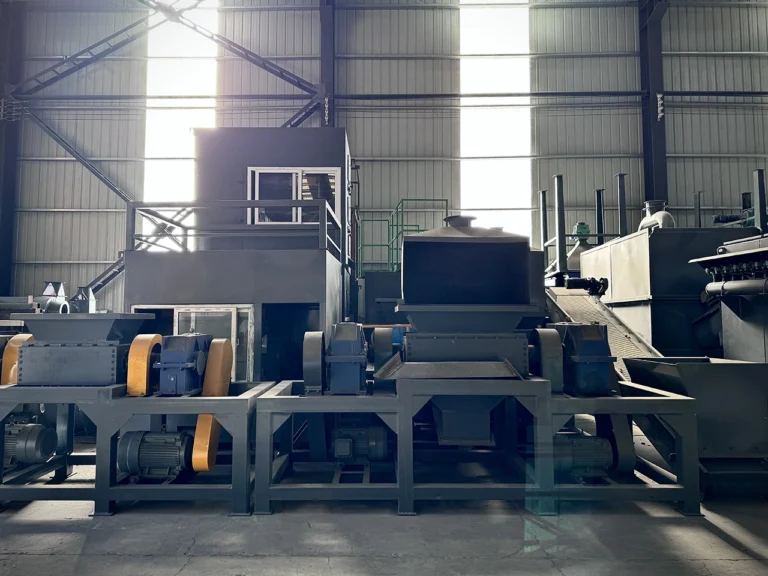
BREM is advancing its equipment testing and process verification activities as it continues to develop and improve recycling equipment solutions for a wide range of industrial applications.
Equipment testing and process verification are important stages in the development of reliable recycling systems. Before a recycling line is delivered to a customer, individual machines and integrated systems need to be evaluated to ensure that they can operate according to the intended process design.
As recycling industries become increasingly focused on higher recovery rates, improved safety, greater automation, and stable long-term operation, comprehensive equipment testing is becoming an increasingly important part of project development.
The Importance of Equipment Testing
Recycling equipment operates under demanding conditions.
Shredders, crushers, screens, conveyors, separators, dust collection systems, and other components may operate continuously while processing large quantities of material.
Testing provides an opportunity to verify mechanical performance, electrical systems, process coordination, safety functions, and material handling before equipment is installed at the customer’s facility.
A structured testing process can help identify potential problems at an early stage and reduce the risks associated with installation and commissioning.
Process Verification Goes Beyond Individual Machines
Testing individual machines is only one part of equipment verification.
A complete recycling line is typically composed of multiple machines that must operate together.
Material needs to move smoothly from one processing stage to the next. The output from one machine must be suitable for the following separation or recovery process.
For this reason, process verification considers the performance of the entire system.
Key areas can include:
- Material feeding
- Crushing and shredding
- Screening
- Magnetic separation
- Air separation
- Fine material separation
- Conveying
- Dust collection
- Material discharge
- Electrical control
- Safety systems
The objective is to confirm that the overall process operates according to the planned configuration.
Testing Supports Better Project Execution
Equipment testing can contribute to a smoother project-development process.
Identifying technical issues before shipment is generally easier than making major modifications after equipment has been installed at the customer’s site.
Factory-based testing can provide an opportunity to inspect components, verify connections, check control systems, and make necessary adjustments.
This can reduce installation risks and potentially shorten commissioning time.
For large recycling projects, these advantages can have a significant impact on project schedules and operating costs.
Testing Recycling Equipment for Different Materials
Different recycling materials require different processing technologies.
BREM’s equipment testing and process verification activities can be applied to a range of recycling applications.
These may include:
- Lithium battery recycling
- PCB recycling
- Electronic waste recycling
- Solar panel recycling
- Cable recycling
- Metal recycling
- Industrial waste recycling
- Other resource recovery applications
Each material has different physical and chemical characteristics.
The equipment configuration therefore needs to be evaluated according to the specific feedstock and desired output.
Lithium Battery Recycling Equipment
Lithium battery recycling is one of the fastest-growing areas of recycling technology.
Used lithium-ion batteries and battery manufacturing scrap contain valuable materials such as lithium, nickel, cobalt, manganese, copper, aluminum, graphite, and steel.
A typical mechanical recycling process may include feeding, discharging, shredding, crushing, screening, magnetic separation, air separation, and black mass collection.
Equipment testing helps verify that these stages work together effectively.
Particular attention may be given to material feeding, particle-size control, dust management, safety systems, and black mass collection.
Black Mass Quality Is Important
Black mass is a major intermediate product in lithium battery recycling.
The quality of black mass can affect the efficiency of downstream metal recovery.
Factors such as particle size, contamination, moisture content, and the presence of unwanted materials can influence downstream processing.
Process verification can therefore include evaluation of the material streams generated by the recycling line.
The goal is to achieve stable separation and produce a consistent feedstock for subsequent refining processes.
PCB Recycling Equipment Verification
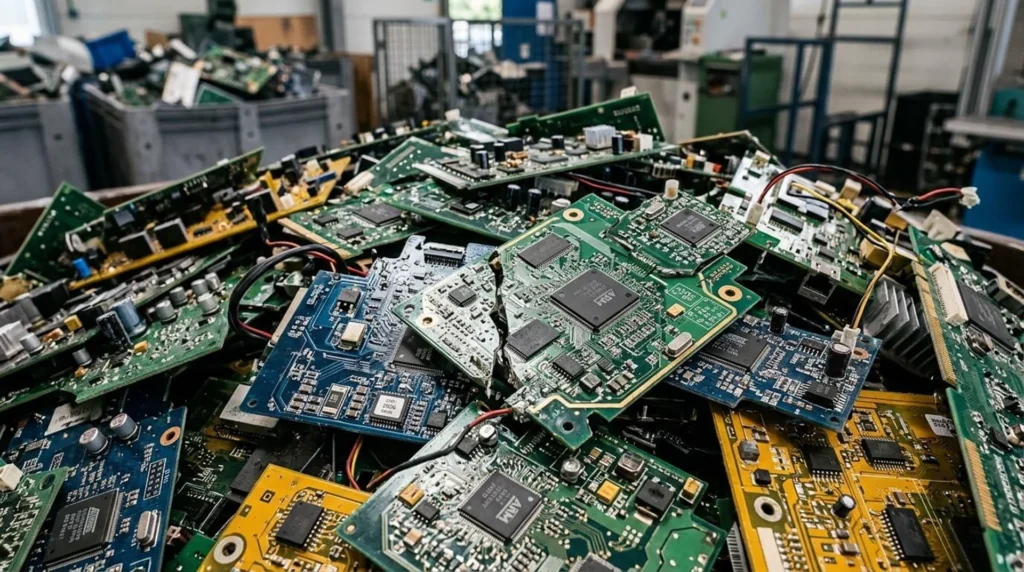
Printed circuit boards contain valuable materials including copper, gold, silver, palladium, tin, and other metals.
PCB recycling equipment must separate these materials from plastics, fiberglass, and other components.
Mechanical processing typically includes size reduction followed by screening and physical separation.
Equipment testing can evaluate crushing performance, particle-size distribution, separation efficiency, material flow, and collection systems.
Stable process operation is important because variations in material flow can affect downstream recovery.
Solar Panel Recycling Equipment
Solar panel recycling is another area where equipment testing is becoming increasingly important.
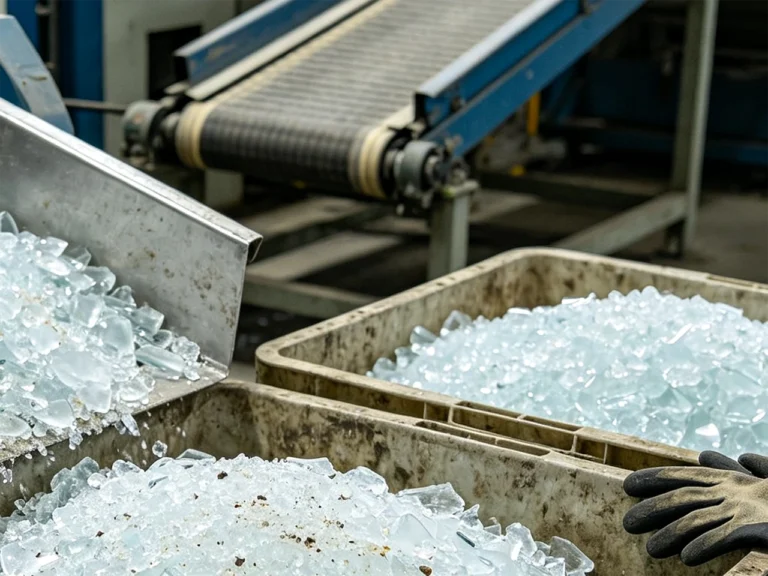
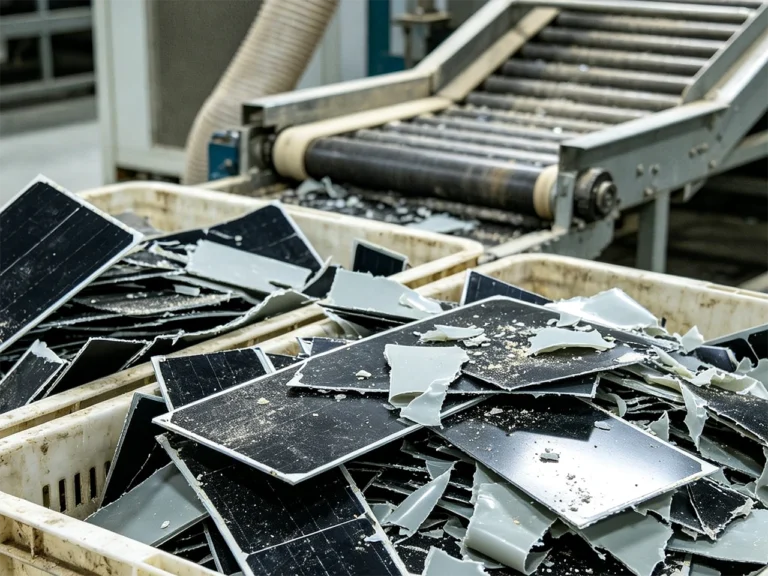
Photovoltaic modules contain glass, aluminum, silicon, copper, silver, and polymer materials.
Recycling systems need to separate these components while minimizing material loss.
Testing can help evaluate dismantling, crushing, screening, and separation performance.
As the volume of end-of-life solar panels increases, efficient processing technology will become increasingly important.
Mechanical Performance Is a Key Testing Area
Mechanical reliability is fundamental to recycling equipment.
Shredders and crushers are exposed to high loads and varying feedstock conditions.
Conveyors must transport materials continuously and reliably.
Screens need to maintain effective separation under changing material loads.
During testing, manufacturers can inspect machine operation and identify areas requiring adjustment.
This can include checking vibration, noise, material flow, component alignment, and other operating characteristics.
Electrical and Control Systems
Modern recycling lines increasingly rely on automated electrical and control systems.
Sensors, motors, variable-frequency drives, programmable controllers, and monitoring systems work together to control the process.
Testing provides an opportunity to verify communication between different components.
Control sequences can also be evaluated to ensure that machines start, stop, and respond correctly according to the designed process.
Proper control-system integration is particularly important for large recycling lines with multiple interconnected machines.
Safety Verification Is Essential
Safety is a critical component of recycling equipment testing.
Different materials can create different operational risks.
Lithium batteries may present fire and thermal risks.
Shredding and crushing can generate dust and fine particles.
Heavy equipment creates mechanical hazards.
Electrical systems require appropriate protection and emergency controls.
Testing can therefore include verification of emergency stop systems, safety interlocks, protective devices, temperature monitoring, fire detection, and other safety functions where applicable.
Dust Collection and Environmental Controls
Recycling processes can generate dust, particularly during crushing, shredding, and screening.
Effective dust collection is therefore an important part of many recycling systems.
Testing can evaluate airflow, extraction performance, filtration, and the connection between dust collection equipment and processing machines.
Proper environmental controls can help create safer working conditions while supporting compliance with applicable environmental requirements.
Material Flow Verification
Stable material flow is one of the most important characteristics of a complete recycling line.
If material accumulates between machines, the entire production process can become unstable.
If feeding is too fast, downstream equipment may become overloaded.
If feeding is too slow, overall production capacity may be reduced.
Process verification allows manufacturers to evaluate the movement of materials through the complete system.
The objective is to establish a stable relationship between feeding, processing, separation, and discharge.
Separation Efficiency Matters
The value of a recycling line depends heavily on how effectively it separates materials.
Magnetic separation can remove ferrous materials.
Air separation can distinguish materials according to differences in density and aerodynamic behavior.
Screening can separate particles by size.
Other technologies may be used depending on the feedstock and desired products.
Testing allows manufacturers to evaluate whether the selected combination of separation technologies produces the expected material streams.
Automation Supports Stable Operation
Automation can improve both productivity and process consistency.
Automated systems can monitor equipment status, control material flow, and respond to abnormal operating conditions.
Data from sensors can also provide information about equipment performance.
As recycling facilities become larger, automation can help operators manage complex production systems with fewer manual interventions.
Process verification is therefore increasingly connected with software and control-system testing as well as mechanical testing.
Testing Can Support Equipment Optimization
Testing is not only about identifying failures.
It can also provide valuable information for optimizing equipment performance.
Engineers can use test results to evaluate:
- Processing capacity
- Energy consumption
- Material flow
- Separation performance
- Equipment loading
- Product quality
- Dust generation
- Operating stability
Based on these observations, equipment settings or process parameters can be adjusted.
This iterative approach can help improve overall system performance before commercial operation.
Feedstock Characteristics Affect Performance
Recycling equipment does not operate in isolation from the material being processed.
Feedstock composition can have a significant impact on equipment performance.
For example, battery packs may contain different cell formats and structural components.
PCB feedstock can vary significantly depending on the source of electronic equipment.
Solar panels can differ in construction and material composition.
Testing therefore needs to consider representative feedstock whenever possible.
Using realistic material samples can provide a more meaningful indication of expected operating performance.
Factory Testing Helps Reduce Commissioning Risks
Commissioning a complete recycling line at a customer’s facility can involve many variables.
Site conditions, building layout, utilities, feedstock characteristics, installation quality, and operator experience can all influence startup.
Factory testing can reduce some of the uncertainty by verifying equipment operation before shipment.
This can provide both the equipment supplier and customer with greater confidence when the system moves to the installation stage.
Quality Control Throughout Manufacturing
Testing is most effective when combined with quality control throughout the manufacturing process.
Quality control can begin with component selection and continue through fabrication, assembly, wiring, installation, and final inspection.
Important areas can include:
- Material quality
- Welding quality
- Component dimensions
- Electrical connections
- Motor installation
- Conveyor alignment
- Control cabinet assembly
- Safety equipment
- Machine integration
A comprehensive quality-control process can help improve equipment reliability over the long term.
Customer Participation Can Add Value
Depending on the project, customers may participate in factory testing or review test results before equipment is shipped.
Customer participation can provide an opportunity to confirm that the equipment configuration meets project expectations.
It can also help customers become familiar with equipment operation before installation.
Technical discussions during testing can clarify operating procedures, maintenance requirements, spare parts, and other practical considerations.
Testing and After-Sales Support
Equipment testing is connected to the broader lifecycle of a recycling project.
Once a system is installed and commissioned, ongoing technical support remains important.
Operators may need assistance with equipment settings, maintenance, process optimization, and replacement components.
Information gathered during factory testing can provide useful reference material for future troubleshooting and maintenance.
A well-documented testing process can therefore contribute to long-term equipment support.
The Growing Need for Reliable Recycling Equipment
Global demand for recycling infrastructure is increasing.
The growth of electric vehicles is expanding the lithium battery recycling market.
The increasing use of electronic devices is generating more PCB and e-waste streams.
The expansion of solar power is creating future demand for photovoltaic module recycling.
The continued growth of industrial production is also generating recyclable metals, cables, plastics, and other materials.
As these markets expand, customers are seeking equipment that can provide stable processing capacity and consistent material recovery.
Technology Development Will Continue
The recycling equipment industry is expected to continue developing as material streams become more complex.
Future equipment systems may place greater emphasis on:
- Higher processing capacity
- Improved recovery rates
- Better material separation
- Greater automation
- Lower energy consumption
- Improved safety
- Advanced monitoring
- Flexible feedstock processing
- Reduced maintenance requirements
- Better environmental controls
Data collection and intelligent process control may also become increasingly important.
BREM’s Approach to Equipment Verification
BREM’s continued focus on equipment testing and process verification reflects the importance of validating recycling systems before commercial operation.
A systematic approach to testing can help connect equipment manufacturing with real-world recycling requirements.
By evaluating mechanical systems, electrical controls, safety functions, material flow, separation performance, and environmental systems, manufacturers can improve their understanding of complete line performance.
This approach can also support customized solutions for customers with different materials and processing requirements.
Supporting the Development of Circular Economy Infrastructure
Reliable recycling equipment is an important part of the global circular economy.
Recycling facilities cannot achieve high recovery rates without appropriate processing technology.
By improving equipment performance and process verification, manufacturers can help recyclers recover more materials from waste streams and return them to productive use.
This applies across multiple industries, from battery materials and electronic waste to photovoltaic modules and industrial metals.
Conclusion
BREM’s continued advancement in equipment testing and process verification highlights the importance of reliability, safety, process integration, and material recovery performance in modern recycling systems.
As recycling markets continue to expand, customers are increasingly looking for equipment that can deliver stable processing, efficient separation, consistent product quality, and reliable long-term operation.
Comprehensive testing provides an important link between equipment manufacturing and commercial recycling operations.
By verifying mechanical performance, electrical controls, material flow, separation efficiency, safety systems, and environmental controls, recycling equipment manufacturers can help reduce project risks and improve the transition from factory production to commercial operation.
The future of recycling equipment will increasingly depend on the combination of robust mechanical engineering, advanced automation, effective process design, and systematic testing.
As global demand for lithium battery recycling, PCB recycling, solar panel recycling, electronic waste recycling, and other resource recovery technologies continues to grow, equipment testing and process verification will remain essential to building efficient and reliable recycling infrastructure.
Continue Reading
Related Articles