Company News
PCB Recycling Equipment Prepared for Overseas Shipment
PCB recycling equipment has been prepared for overseas shipment, marking an important step in the delivery of advanced electronic waste recycling solutions to international…
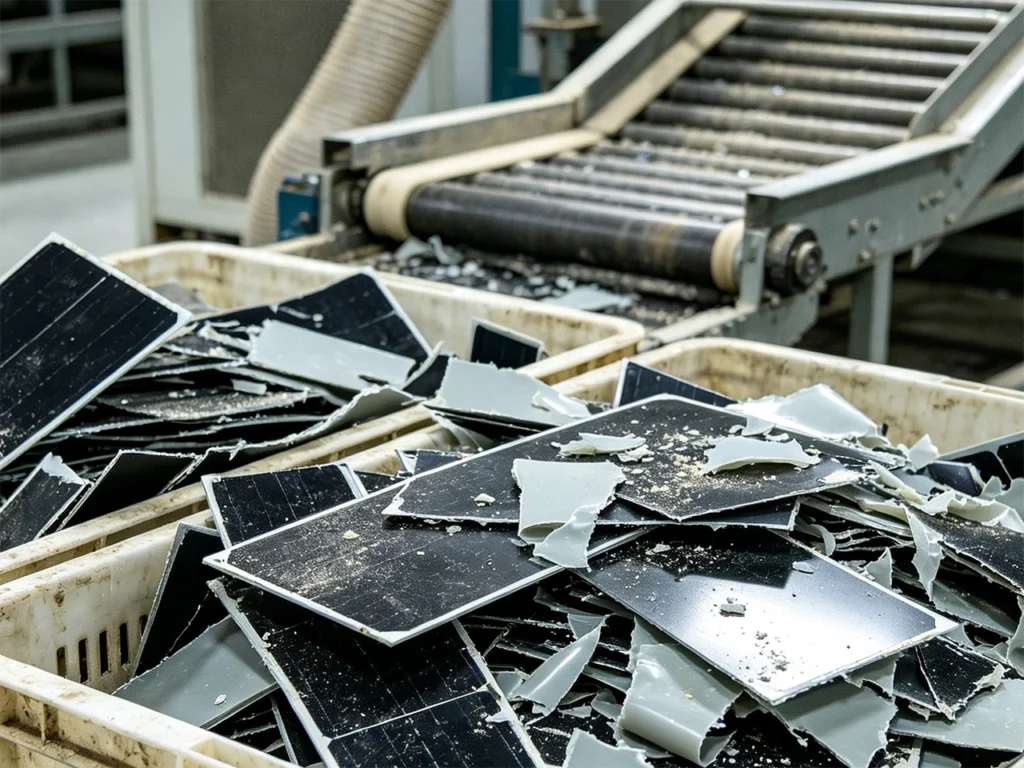
PCB recycling equipment has been prepared for overseas shipment, marking another important step in the delivery of advanced electronic waste recycling solutions to international markets.
The preparation and shipment of a complete PCB recycling system reflects the growing global demand for technologies capable of recovering valuable metals and materials from discarded printed circuit boards. As electronic waste volumes continue to increase worldwide, recycling companies and electronics manufacturers are investing in more efficient processing equipment to improve material recovery and support circular supply chains.
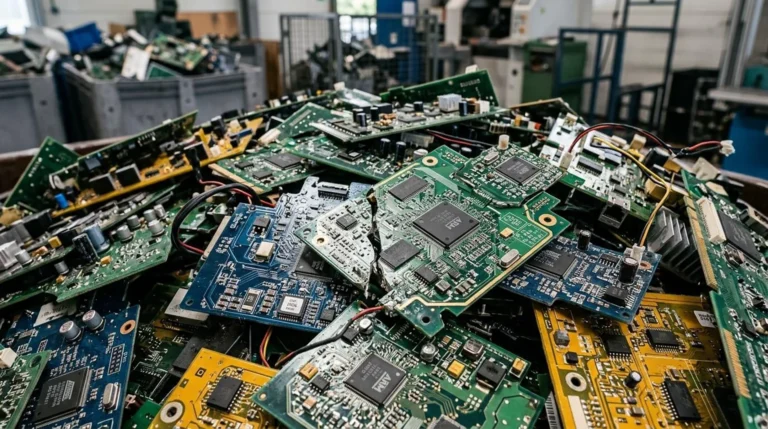
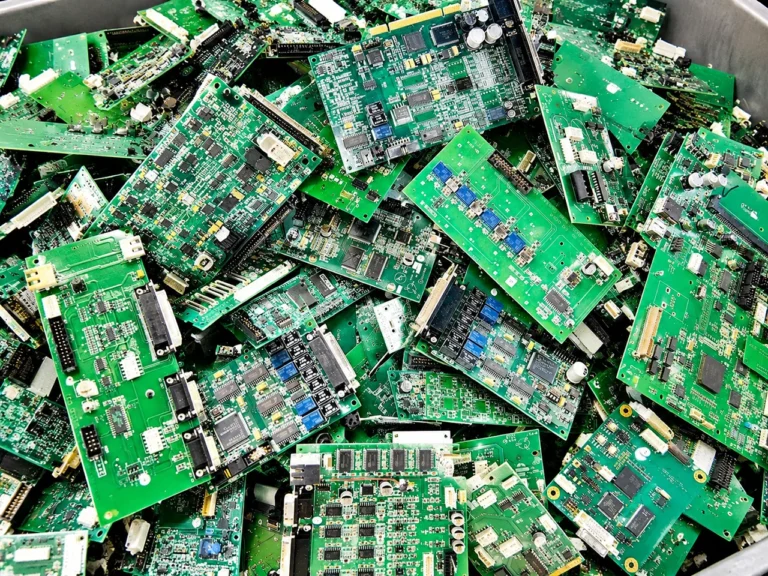
Printed circuit boards are found in computers, telecommunications equipment, industrial electronics, consumer devices, automotive systems, servers, and many other electronic products. At the end of their useful lives, these products generate a significant stream of PCB-containing electronic waste.
Professional recycling equipment can help transform this waste into valuable material streams, including copper, aluminum, ferrous metals, and precious-metal-bearing fractions.
Preparing PCB Recycling Equipment for Shipment
Preparing recycling equipment for overseas shipment requires careful coordination between manufacturing, quality control, packaging, logistics, and installation teams.
A complete PCB recycling line can contain numerous machines and supporting systems. Depending on the process configuration, equipment may include:
- Feed conveyors
- Dismantling equipment
- Crushers
- Shredders
- Vibrating screens
- Magnetic separators
- Eddy-current separators
- Air separators
- Dust collection systems
- Control cabinets
- Material collection systems
- Supporting structures
Each component needs to be inspected and prepared before transportation.
The objective is to ensure that the equipment reaches the customer’s site in good condition and can be installed efficiently.
Why PCB Recycling Equipment Is in Growing Demand
The global volume of electronic waste continues to increase as electronic devices become more widespread and product replacement cycles become shorter.
Consumers and businesses regularly replace smartphones, computers, servers, networking equipment, household electronics, industrial control systems, and other devices.
At the same time, manufacturers generate production scrap during the manufacture of electronic products and circuit boards.
Both end-of-life electronics and manufacturing scrap can provide valuable feedstock for PCB recycling.
This is creating a growing market for specialized recycling equipment capable of separating and recovering materials from complex electronic waste.
What PCB Recycling Equipment Can Process
PCB recycling systems can be designed to process different types of circuit board feedstock.
Potential feedstocks include:
- Waste printed circuit boards
- Computer circuit boards
- Telecommunications boards
- Consumer electronics boards
- Industrial control boards
- Automotive electronic components
- Server and networking equipment boards
- PCB manufacturing scrap
- Electronic component waste
The appropriate processing configuration depends on the size, composition, and physical characteristics of the feedstock.
High-value PCB materials may require more sophisticated separation and recovery technologies than mixed low-grade electronic waste.
Mechanical Processing Is the Foundation
Most PCB recycling systems begin with mechanical processing.
Large pieces of electronic waste can first be dismantled and reduced in size.
Crushing and shredding then break the circuit boards into smaller particles, allowing different materials to be separated according to their physical characteristics.
Mechanical processing can include several stages to achieve the desired particle size and improve downstream separation.
The quality of this initial size reduction process can have a significant impact on the efficiency of the entire recycling system.
Material Separation Improves Recovery
After crushing and shredding, the processed material contains a mixture of metals, plastics, fiberglass, and other components.
Different separation technologies can then be used to concentrate individual material fractions.
Magnetic separators can remove ferrous materials.
Air separation systems can separate lighter materials from heavier particles.
Screening systems can classify materials according to particle size.
Eddy-current or other specialized separation technologies can be used to recover non-ferrous metal fractions.
The combination of these technologies allows recycling systems to achieve more effective material separation.
Recovering Copper From PCB Waste
Copper is one of the most important materials recovered from waste printed circuit boards.
Copper is widely used in conductive traces and other parts of circuit boards because of its excellent electrical conductivity.
Because PCB waste can contain significant quantities of copper, efficient copper recovery is an important part of the recycling process.
Recovered copper can be returned to metal-processing and manufacturing supply chains, reducing the need for some primary copper production.
The economic value of recovered copper can also contribute significantly to the overall business case for PCB recycling.
Precious Metals Add Additional Value
In addition to copper, PCBs can contain small quantities of precious metals.
Gold, silver, and palladium may be present in connectors, contact surfaces, components, and other electronic applications.
These metals are typically present at much lower concentrations than copper, but their high market value makes them important targets for advanced recycling processes.
Mechanical processing can concentrate valuable metal-bearing fractions, which can then be sent to specialized downstream refining operations.
Dust Collection Is an Important System
PCB crushing and shredding can generate fine particles.
A professional recycling line therefore requires an appropriate dust collection system.
Dust collection can help control airborne particles, maintain a cleaner working environment, and support safer equipment operation.
Depending on the processing technology and feedstock, the dust collection system may include extraction ducts, filters, fans, separators, and other components.
The system needs to be properly integrated with the main recycling equipment.
Electrical and Control Systems
Modern PCB recycling lines rely on electrical control systems to coordinate equipment operation.
Control cabinets can manage motors, conveyors, shredders, separators, fans, sensors, and safety devices.
Automated control can help maintain stable material flow and coordinate different stages of the recycling process.
It can also allow operators to monitor equipment conditions and respond to abnormal operating situations.
Before shipment, electrical systems can be inspected and tested to ensure that major components are ready for installation.
Quality Control Before Overseas Shipment
Quality control is particularly important when recycling equipment is being shipped internationally.
Once equipment leaves the manufacturing facility, transportation and installation can introduce additional complexity.
Pre-shipment inspection provides an opportunity to identify potential issues before the equipment reaches the customer’s site.
Quality control may include inspections of:
- Equipment dimensions
- Welded structures
- Mechanical components
- Motors
- Bearings
- Conveyors
- Electrical systems
- Control cabinets
- Safety components
- Dust collection systems
- Material discharge systems
Thorough inspection can help reduce installation delays and unexpected modifications.
Packaging Is Critical for International Transportation
Industrial recycling equipment may travel long distances before reaching its final destination.
Proper packaging is therefore essential.
Equipment may need to be protected against moisture, dust, vibration, impact, and other transportation risks.
Depending on the equipment type, packaging may include steel frames, wooden cases, protective film, moisture-resistant materials, reinforced supports, and other protective measures.
Smaller components and electrical parts may require additional protection.
Proper labeling is also important to help installation teams identify equipment and components after arrival.
Container Loading Requires Careful Planning
Large recycling equipment must be loaded efficiently to make effective use of shipping containers or other transportation methods.
Equipment dimensions, weight, center of gravity, and unloading requirements all need to be considered.
Careful loading can reduce the risk of movement or damage during transportation.
It can also simplify unloading and installation at the customer’s facility.
For complete recycling lines, shipment planning may involve multiple containers or transportation stages depending on the size and configuration of the equipment.
Overseas Projects Require Strong Coordination
International recycling projects typically involve multiple parties.
These can include:
- Equipment manufacturers
- Recycling companies
- Logistics providers
- Customs brokers
- Installation teams
- Electrical contractors
- Local engineering companies
Effective coordination helps ensure that documentation, transportation, customs clearance, and installation activities are properly aligned.
Equipment manufacturers may also provide installation drawings, electrical documentation, operating instructions, and other technical information to support the project.
Installation After Shipment
Once PCB recycling equipment arrives at its destination, installation becomes the next major stage.
Installation typically involves positioning the equipment, connecting conveyors and processing units, installing electrical systems, connecting dust collection equipment, and completing control-system integration.
The final configuration depends on the customer’s facility layout and local operating requirements.
A clear installation plan can help reduce downtime and accelerate commissioning.
Commissioning and Process Testing
After installation, the recycling line needs to be commissioned.
Commissioning can include no-load testing, individual machine testing, system integration testing, and material-processing trials.
The objective is to verify that the equipment operates correctly under actual site conditions.
Feedstock testing is particularly important because PCB composition can vary considerably.
Operators may need to adjust equipment settings according to particle size, material composition, moisture, and feed rate.
Different PCB Feedstocks Require Different Settings
There is no single standard PCB waste stream.
Different electronic products contain different types of circuit boards and components.
A telecommunications board may have a different composition from a consumer electronics board.
Similarly, industrial control boards may differ significantly from computer or automotive electronic components.
Recycling equipment therefore needs to provide sufficient flexibility to handle the intended range of feedstocks.
Adjustable processing parameters can help operators optimize separation performance for different material streams.
Automation Can Improve Operational Efficiency
Automation is becoming increasingly important in PCB recycling.
Automated conveyors, sensors, sorting systems, and control software can help stabilize production and reduce manual handling.
Automated monitoring can also provide operators with information about equipment status, production conditions, and potential abnormalities.
For large recycling facilities, automation may improve productivity and support more consistent material recovery.
Environmental Controls Are Increasingly Important
Modern PCB recycling facilities are expected to meet increasingly stringent environmental requirements.
Processing systems need to control dust, noise, wastewater, and residual waste appropriately.
The recycling process should aim to maximize material recovery while minimizing the environmental impact of processing.
Efficient separation can reduce the quantity of residual waste requiring final disposal.
Responsible environmental management can also help recycling companies meet customer requirements and regulatory standards.
Supporting the Circular Electronics Economy
PCB recycling plays an important role in the development of a circular electronics economy.
Instead of treating discarded electronics as waste, recycling allows valuable materials to be recovered and returned to productive use.
Recovered copper can re-enter metal supply chains.
Aluminum and ferrous metals can be recycled through established metal-processing industries.
Precious-metal-bearing materials can be sent to specialized refining facilities.
This helps extend the useful life of raw materials and reduce the demand for some primary resources.
Global Market Opportunities Are Expanding
The international market for PCB recycling equipment is expanding as electronic waste generation increases in both developed and emerging economies.
Asia, Europe, North America, the Middle East, Africa, and Latin America all have growing electronic waste streams.
Some countries have mature recycling industries, while others are developing formal electronic waste infrastructure.
This creates opportunities for equipment suppliers that can provide scalable solutions for different processing capacities and local requirements.
Complete Recycling Lines Can Offer Integrated Solutions
Customers may choose individual machines for specific recycling processes or invest in complete integrated recycling lines.
A complete system can offer advantages by allowing the different stages of processing to be designed and coordinated as one solution.
This can simplify installation, control, maintenance, and operator training.
An integrated line can also be optimized around the customer’s target feedstock and desired material outputs.
Future Development of PCB Recycling Equipment
The PCB recycling equipment market is expected to continue evolving as technology improves and recycling requirements become more sophisticated.
Future equipment development is likely to focus on:
- Higher material recovery rates
- Improved separation efficiency
- Greater automation
- Lower energy consumption
- Better dust control
- More flexible feedstock processing
- Reduced maintenance requirements
- Improved safety
- Digital monitoring and control
- Higher processing capacity
Equipment manufacturers that can combine these capabilities into reliable systems may have strong opportunities in the expanding global recycling market.
The Importance of Reliable Equipment Delivery
For recycling companies, equipment delivery is more than a logistics process.
The condition of equipment when it arrives, the completeness of documentation, the accuracy of installation information, and the level of technical support can all influence project success.
Proper pre-shipment testing and preparation can help reduce the risks associated with international equipment deployment.
A well-organized shipment can also provide a strong foundation for faster installation and commissioning.
Conclusion
The preparation of PCB recycling equipment for overseas shipment represents an important step in delivering advanced electronic waste recycling capabilities to international markets.
As global electronic waste volumes continue to rise, recycling companies need reliable technologies capable of processing complex PCB materials and recovering valuable resources.
A complete PCB recycling line can combine crushing, shredding, screening, magnetic separation, air separation, dust collection, and other technologies to produce valuable material streams from discarded circuit boards.
Successful international deployment depends not only on equipment performance but also on quality control, packaging, logistics, installation, commissioning, and technical support.
As the global electronics industry continues to expand, the demand for efficient PCB recycling solutions is expected to increase.
By improving material recovery, reducing waste, and returning valuable metals to industrial supply chains, modern PCB recycling equipment can play an important role in building a more resource-efficient and circular electronics industry.
BREM Capability
Related BREM Solutions
Move from market insight to the process routes and equipment BREM engineers for recycling projects.
Solution
PCB Recycling Solution
Recover copper-rich and non-metallic fractions from waste printed circuit boards through controlled dismantling, crushing, classification and physical separation.
View Solution →Production Line
PCB Recycling Line
PCB crushing and separation equipment for prepared waste printed circuit boards and suitable copper-clad laminate scrap, integrating shredding, pulverizing, air classification, screening,…
View Line →Continue Reading
Related Articles