Company News
Customer Visits BREM Recycling Equipment Manufacturing Base
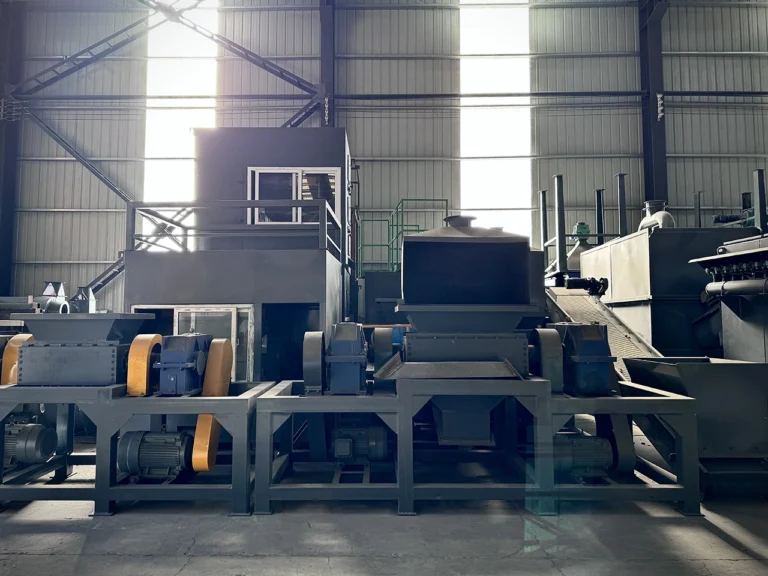
BREM recently welcomed a customer to its recycling equipment manufacturing base for an in-depth look at equipment production, assembly, testing, and recycling technology. The…
BREM recently welcomed a customer to its recycling equipment manufacturing base, providing an opportunity to discuss recycling technology, equipment solutions, production capabilities, and potential cooperation in the recycling industry.
The customer visit offered a closer look at BREM’s manufacturing facilities and equipment production processes. Through on-site discussions and technical exchanges, the two sides gained a deeper understanding of recycling equipment requirements and explored potential solutions for future recycling projects.
As global demand for resource recovery and circular-economy solutions continues to grow, visits between equipment manufacturers and customers are becoming increasingly important. Direct communication allows customers to better understand equipment capabilities while enabling manufacturers to develop solutions that more closely match specific processing requirements.
Customer Visit Provides an Opportunity for Technical Exchange
A customer visit to a recycling equipment manufacturing facility is more than a routine factory tour.
It provides an opportunity for customers to understand how recycling equipment is designed, manufactured, assembled, tested, and prepared for delivery.
During the visit, customers can discuss their specific feedstock characteristics, processing requirements, expected capacity, final product specifications, and operating conditions with technical teams.
These discussions can help identify suitable equipment configurations and provide a foundation for future project planning.
Introduction to BREM’s Manufacturing Capabilities
During the visit, the customer was introduced to BREM’s recycling equipment manufacturing capabilities and production processes.
The manufacturing base brings together equipment fabrication, assembly, electrical systems, process integration, and quality-control activities.
For complete recycling lines, coordination between individual machines is particularly important.
A recycling system may contain shredders, crushers, conveyors, screens, separators, dust collection systems, control cabinets, and other equipment.
The final performance of the system depends not only on the specifications of individual machines but also on how effectively these components work together.
Recycling Equipment Requires Integrated Manufacturing
Modern recycling systems are increasingly designed as integrated production lines rather than collections of independent machines.
Depending on the application, a recycling line can include several processing stages.
For example, a battery recycling line may involve feeding, discharging, shredding, crushing, screening, magnetic separation, air separation, and black mass collection.
A PCB recycling line may include dismantling, crushing, screening, magnetic separation, air separation, and additional material recovery processes.
Different feedstocks require different equipment combinations.
This makes engineering and process integration an important part of recycling equipment manufacturing.
Understanding the Customer’s Recycling Requirements
One of the most important benefits of an on-site customer visit is the opportunity to understand the customer’s requirements directly.
Recycling projects can vary significantly in terms of feedstock, capacity, product requirements, and operating environment.
Important factors can include:
- Type of recyclable material
- Feedstock size
- Feedstock composition
- Expected processing capacity
- Desired recovery rate
- Final product specifications
- Available facility space
- Energy requirements
- Environmental requirements
- Automation level
By discussing these factors directly, equipment suppliers can develop more appropriate solutions.
Battery Recycling Is a Growing Application
Lithium battery recycling is one of the areas receiving increasing attention from recycling equipment manufacturers and customers.
The rapid growth of electric vehicles, energy storage systems, consumer electronics, and other battery-powered products is creating an expanding supply of used lithium-ion batteries and battery manufacturing scrap.
Recycling these materials can allow valuable resources to be recovered and returned to the battery supply chain.
Depending on the process design, a battery recycling line can recover materials such as copper, aluminum, steel, and black mass.
Further downstream processing can then recover lithium, nickel, cobalt, manganese, graphite, and other materials.
PCB Recycling Is Another Important Market
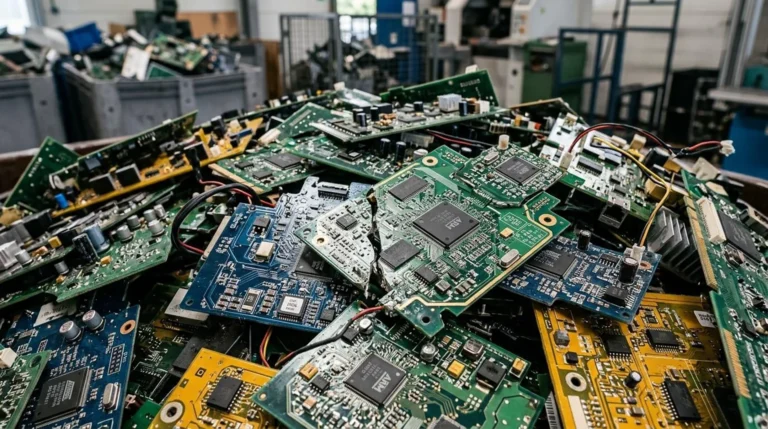
Printed circuit board recycling is another major application for specialized recycling equipment.
PCBs contain copper and other metals, as well as smaller quantities of precious metals such as gold, silver, and palladium.
Efficient recycling requires a combination of size reduction and physical separation technologies.
The exact process depends on PCB type, feedstock quality, desired output, and downstream refining requirements.
As global electronic waste volumes increase, demand for PCB recycling equipment is expected to continue growing.
Solar Panel Recycling Is Creating New Opportunities
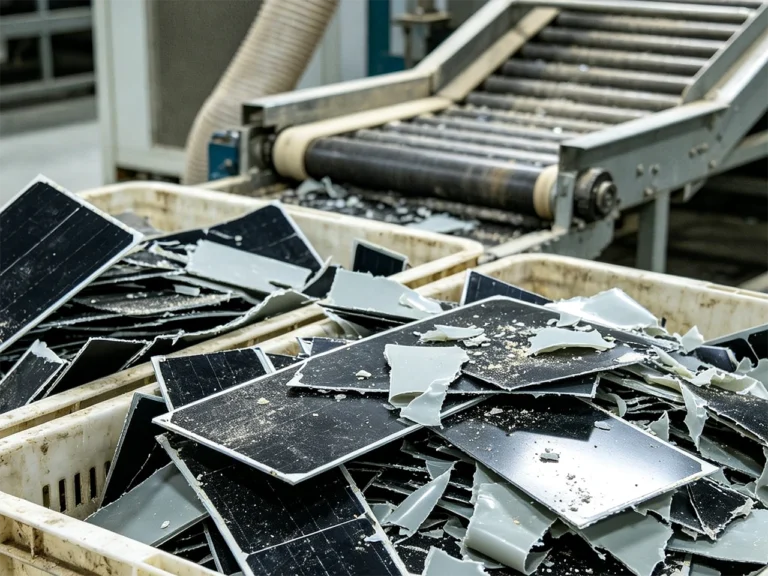
Solar panel recycling is another emerging application for recycling equipment manufacturers.
The rapid expansion of photovoltaic installations has created a large installed base of solar panels.
As older panels are retired, damaged, or replaced during project repowering, increasing quantities of photovoltaic waste will enter recycling streams.
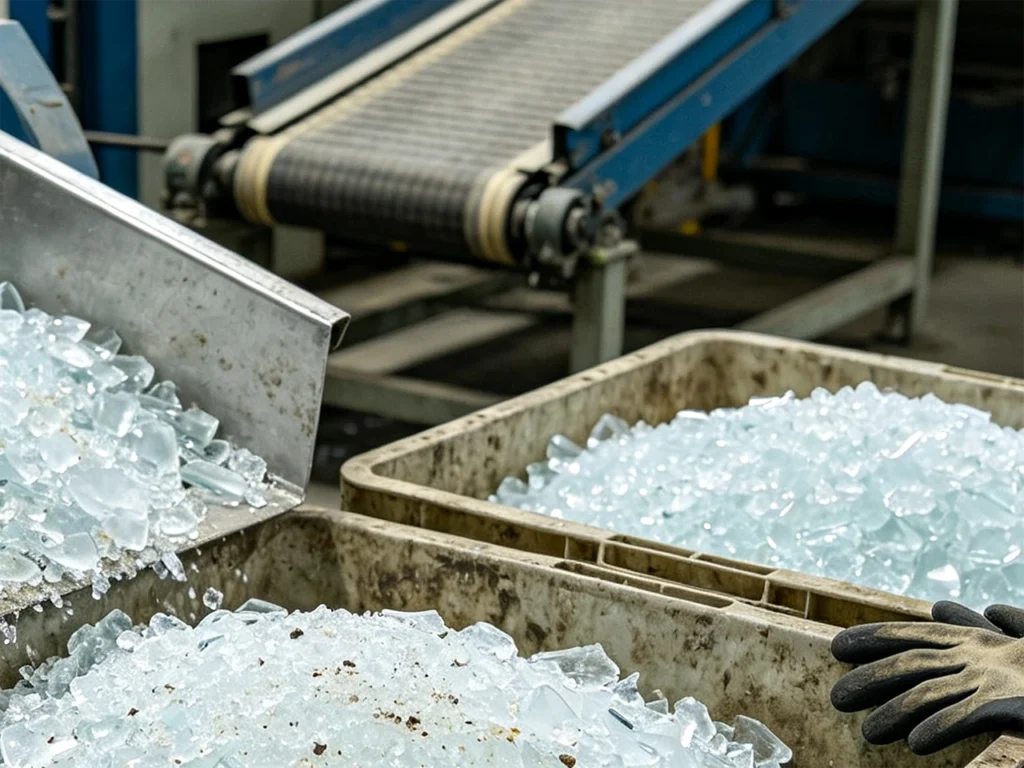
Solar panels contain glass, aluminum, silicon, copper, silver, and other materials.
Recycling equipment can help separate these materials and prepare them for further processing.
The development of dedicated solar panel recycling systems may therefore become increasingly important as the global photovoltaic industry matures.
Manufacturing Quality Is Critical
Recycling equipment must be capable of operating under demanding industrial conditions.
Continuous processing can place significant loads on mechanical components, conveyors, shredders, crushers, screens, and separation systems.
Manufacturing quality therefore has a direct impact on equipment reliability and operating costs.
During a factory visit, customers can inspect equipment construction and discuss manufacturing standards with technical personnel.
This provides greater visibility into how the equipment is produced before a project moves to the installation stage.
Equipment Assembly and Integration
Assembly is an important stage in the manufacturing of complete recycling lines.
Individual machines must be positioned and connected according to the overall process design.
Mechanical connections, electrical systems, sensors, control systems, conveyors, and safety devices must work together.
For large recycling projects, equipment may also be pre-assembled or tested in sections before shipment.
This can help simplify installation at the customer’s facility and reduce commissioning time.
Factory Testing Supports Project Reliability
Factory testing is an important part of equipment quality control.
Before a complete recycling line is delivered, manufacturers can conduct inspections and functional tests on key systems.
Depending on the project, testing may cover:
- Mechanical operation
- Conveyor movement
- Shredder and crusher operation
- Screening systems
- Separation equipment
- Electrical controls
- Safety systems
- Dust collection
- Material flow
- Control-system communication
Factory testing can help identify potential problems before equipment is shipped.
This may reduce installation risks and contribute to a smoother commissioning process.
Customization Is Important in Recycling Equipment
Recycling feedstocks are rarely identical.
Two customers processing the same general material may have very different requirements because of differences in feedstock composition, particle size, moisture, contamination, or desired output.
For this reason, recycling equipment often needs to be customized.
Customization may involve equipment capacity, machine configuration, conveyor design, separation technology, dust collection, automation, or downstream processing.
A direct technical discussion with the customer can help identify these requirements at an early stage.
Automation Can Improve Operating Efficiency
Automation is becoming increasingly important in modern recycling plants.
Automated feeding and conveying systems can reduce manual handling.
Sensors and control systems can monitor equipment operation and process conditions.
Automated control can also help maintain stable material flow and improve consistency between different processing stages.
For larger recycling facilities, centralized control systems can provide operators with information about equipment status, production conditions, alarms, and other operating parameters.
Safety Is a Key Part of Equipment Design
Safety is an important consideration across all recycling applications.
Different materials create different risks.
Lithium batteries may contain stored electrical energy and can present fire or thermal runaway risks if improperly handled.
Electronic waste may contain hazardous substances that require controlled processing.
Dust generated during crushing and shredding can also require appropriate collection and management.
Recycling equipment therefore needs to incorporate suitable safety systems based on the material being processed.
Dust Collection and Environmental Control
Environmental management is another important consideration for recycling equipment.
Mechanical processing can generate dust and fine particles.
An appropriate dust collection system can help control airborne particles and maintain a cleaner working environment.
Depending on the application, recycling facilities may also require systems for wastewater management, noise reduction, residual waste treatment, and other environmental controls.
Equipment manufacturers and customers need to consider these requirements during the early stages of project design.
Customer Visits Strengthen Communication
Face-to-face communication can help bridge the gap between equipment specifications and real-world operating requirements.
Customers can ask detailed questions about equipment construction, maintenance, processing capacity, spare parts, operating procedures, and after-sales support.
Technical teams can also better understand the customer’s concerns and priorities.
This type of communication can improve project planning and help both sides establish clearer expectations.
From Factory Visit to Project Development
A customer visit is often an important step in a longer project-development process.
After the initial visit, the customer and equipment supplier may continue discussions regarding:
- Feedstock analysis
- Process design
- Equipment selection
- Production capacity
- Factory layout
- Investment requirements
- Delivery schedules
- Installation
- Commissioning
- Operator training
- After-sales service
Additional testing or material trials may also be conducted when necessary.
The objective is to ensure that the final recycling solution is aligned with the customer’s actual production requirements.
Global Demand for Recycling Equipment Is Increasing
The growing emphasis on resource recovery is creating new opportunities for recycling equipment manufacturers.
Several recycling markets are expanding simultaneously.
These include:
- Lithium battery recycling
- PCB recycling
- Electronic waste recycling
- Solar panel recycling
- Cable recycling
- Metal recycling
- Plastic recycling
- Industrial waste recycling
Each market requires different technologies and process configurations.
Manufacturers with broad engineering capabilities can potentially support customers across multiple recycling applications.
Recycling Equipment Supports the Circular Economy
The development of recycling equipment is closely connected to the global transition toward a circular economy.
Instead of sending valuable materials to disposal, recycling systems can recover resources and return them to industrial supply chains.
Recovered copper can be used in manufacturing.
Recovered aluminum can return to metal-processing industries.
Battery recycling can produce black mass for downstream recovery of lithium and other battery materials.
PCB recycling can recover copper and precious metals.
Solar panel recycling can recover glass, aluminum, silicon, and other materials.
These processes can help reduce the demand for primary raw materials and improve resource efficiency.
Looking Ahead
The customer visit to BREM’s recycling equipment manufacturing base highlights the importance of direct technical communication in the development of recycling projects.
As recycling markets become more specialized, customers increasingly require solutions that are adapted to specific feedstocks, production capacities, environmental conditions, and final product requirements.
At the same time, equipment manufacturers need to understand changing market demands and develop systems that combine processing efficiency, safety, reliability, automation, and environmental performance.
Factory visits provide an opportunity to connect these requirements.
They allow customers to see equipment manufacturing processes directly while giving technical teams an opportunity to discuss project requirements in greater detail.
Conclusion
The customer visit to BREM’s recycling equipment manufacturing base represents an important opportunity for technical exchange and future cooperation.
By providing customers with a closer look at equipment manufacturing, assembly, testing, and process integration, factory visits can help build a stronger understanding of recycling solutions and project requirements.
As demand for lithium battery recycling, PCB recycling, solar panel recycling, electronic waste recycling, and other resource recovery technologies continues to grow, reliable recycling equipment will become increasingly important.
The future of recycling will depend not only on processing capacity but also on equipment reliability, material recovery efficiency, automation, safety, and environmental performance.
Through continued technical communication and collaboration with customers, recycling equipment manufacturers can contribute to the development of more efficient and sustainable recycling systems around the world.
Continue Reading
Related Articles