Company News
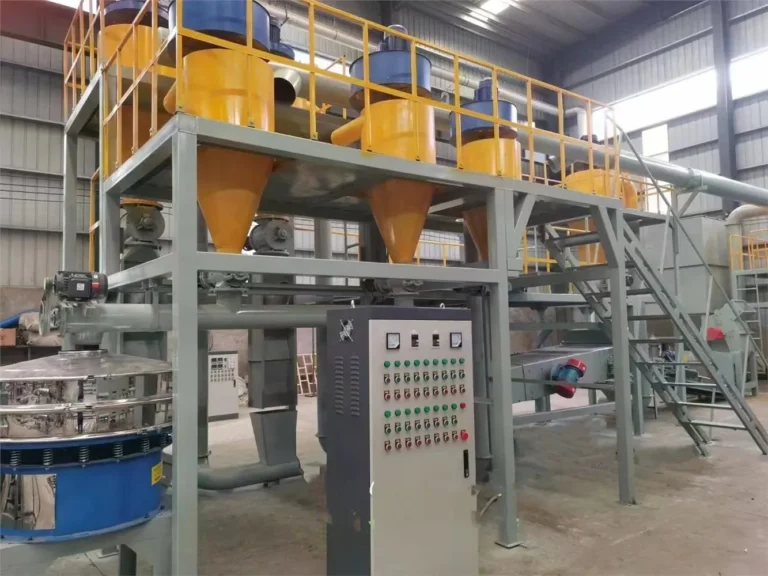
BREM Completes Factory Test of a Lithium Battery Recycling Line
BREM has completed a factory test of a lithium battery recycling line, marking an important milestone in the development and deployment of advanced battery recycling equipment…
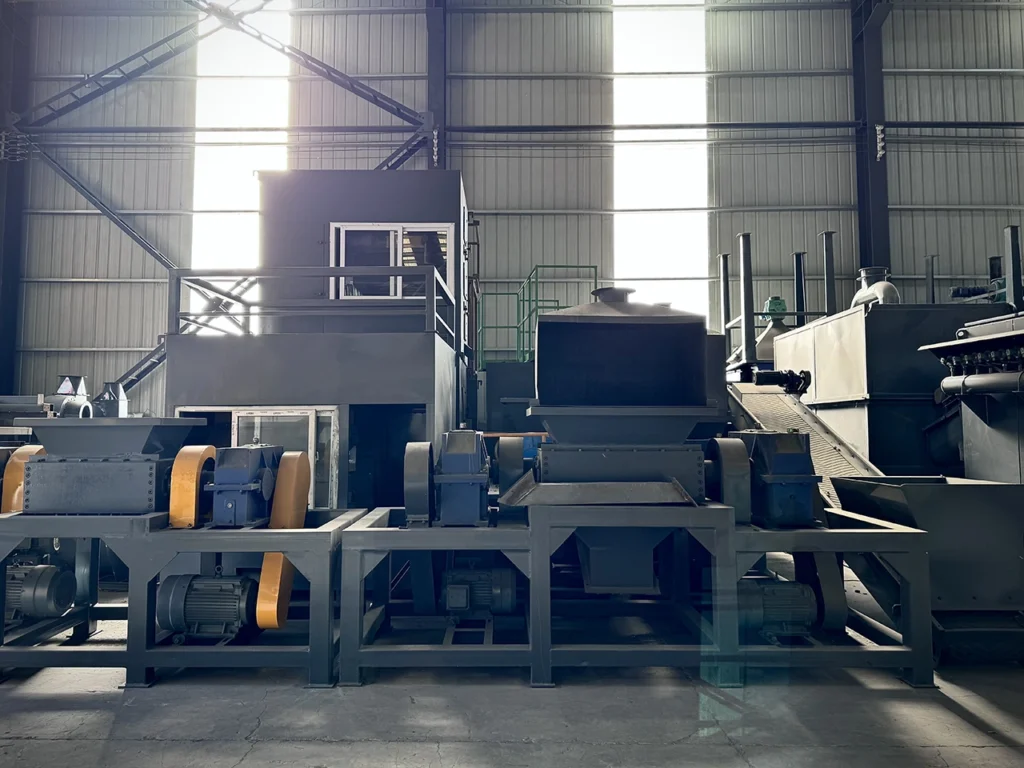
BREM has completed a factory test of its lithium battery recycling line, marking an important step toward the deployment and operation of advanced battery recycling equipment.
The successful factory test demonstrates the readiness of the recycling line for further installation, commissioning, and customer operation. It also highlights the growing demand for integrated lithium battery recycling solutions as the global battery industry expands and increasing quantities of used lithium-ion batteries and battery production scrap enter recycling streams.
As electric vehicles, energy storage systems, consumer electronics, and other battery-powered applications continue to grow, efficient recycling technologies are becoming increasingly important for recovering valuable materials and supporting a more circular battery supply chain.
BREM Completes Factory Testing
Factory testing is an important stage in the development and delivery of a complete battery recycling line.
Before equipment is shipped and installed at a customer’s facility, key components and processing systems can be inspected, tested, and evaluated under controlled conditions.
For a lithium battery recycling line, factory testing can help verify the coordination between different processing units and identify potential issues before the equipment reaches the operating site.
The completion of the factory test provides an opportunity to evaluate equipment performance, process integration, material handling, safety systems, and overall line operation.
It can also help reduce commissioning risks and improve the efficiency of subsequent installation and startup activities.
What a Lithium Battery Recycling Line Does
A lithium battery recycling line is designed to process used lithium-ion batteries and recover valuable materials from them.
Depending on the feedstock and final product requirements, a typical recycling system may include several stages:
- Battery feeding
- Discharging or safety treatment
- Dismantling
- Crushing
- Shredding
- Screening
- Magnetic separation
- Air separation
- Fine material separation
- Black mass collection
- Metal recovery
The exact configuration depends on battery chemistry, battery format, feedstock size, moisture content, and the desired recovery products.
A well-designed line aims to separate batteries into different material fractions while maximizing the recovery of valuable components.
Black Mass Is a Key Product
One of the most important outputs of lithium battery recycling is black mass.
Black mass is a fine powder containing valuable battery materials. Depending on the battery chemistry, it can contain lithium, nickel, cobalt, manganese, graphite, and other materials.
The production of high-quality black mass is therefore an important objective for many battery recycling systems.
After mechanical processing, black mass can be sent to downstream refining facilities where valuable metals and compounds are recovered.
The growing global market for battery materials is creating increasing interest in efficient black mass production.
Recovering Valuable Metals From Used Batteries
Lithium-ion batteries contain a range of valuable materials.
Depending on battery chemistry and design, recyclable materials can include:
- Lithium
- Nickel
- Cobalt
- Manganese
- Copper
- Aluminum
- Graphite
- Steel
- Other battery materials
Efficient recycling allows these materials to be recovered rather than discarded.
Copper and aluminum can often be separated through mechanical processing, while battery powder containing lithium and transition metals can be collected as black mass.
Further downstream processing can then recover individual materials or produce battery-related chemical compounds.
Mechanical Processing Plays a Central Role
Mechanical processing is an important part of many lithium battery recycling systems.
After appropriate safety treatment, batteries can be reduced in size through shredding or crushing.
The resulting material is then separated according to differences in particle size, density, magnetic properties, and other physical characteristics.
Mechanical separation can reduce the complexity of downstream processing and improve the quality of individual material streams.
For example, ferrous materials can be separated using magnetic systems, while aluminum and copper can be recovered through additional separation technologies.
Fine battery materials can then be collected for further processing.
Safety Is a Critical Consideration
Battery recycling requires careful attention to safety.
Lithium-ion batteries can contain stored electrical energy and reactive materials. Damaged or improperly handled batteries may present risks such as short circuits, overheating, fire, or thermal runaway.
For this reason, a professional recycling line needs to incorporate appropriate safety measures.
Depending on the system design, these may include controlled feeding, battery discharge, dust management, temperature monitoring, fire detection, fire suppression, enclosed processing areas, and emergency shutdown systems.
Factory testing provides an opportunity to evaluate these systems before the line is installed at the final operating location.
Dust Control Is Also Important
Mechanical processing of batteries can generate fine particles.
Effective dust collection and filtration systems are therefore important components of a modern battery recycling line.
Proper dust management can help protect workers, maintain a cleaner operating environment, and reduce the risk associated with combustible or potentially hazardous fine particles.
The design of extraction systems should be coordinated with crushers, shredders, screens, separators, and other equipment to ensure stable airflow and effective material containment.
Factory Testing Helps Verify System Integration
A complete recycling line is made up of multiple machines and processing stages.
The performance of individual machines is important, but the overall efficiency of the system depends on how well these components work together.
Factory testing can therefore focus on system integration rather than only individual equipment performance.
Key areas may include:
- Material feeding
- Conveyor operation
- Crushing and shredding
- Screening efficiency
- Separation performance
- Dust collection
- Electrical control systems
- Safety interlocks
- Material discharge
- Overall process coordination
Testing the interaction between these systems before installation can help identify problems at an earlier stage.
Equipment Reliability Is Important for Commercial Recycling
Battery recycling facilities are expected to operate continuously or for extended production periods.
Equipment reliability is therefore critical.
Unexpected downtime can reduce production capacity and increase operating costs.
A complete factory test can provide an opportunity to inspect equipment operation, identify potential mechanical or electrical issues, and make adjustments before shipment.
This approach can contribute to smoother commissioning and faster ramp-up once the recycling line reaches the customer’s site.
The Growing Need for Lithium Battery Recycling
The completion of BREM’s factory test comes as demand for lithium battery recycling technology continues to grow globally.
The expansion of electric vehicles is creating a rapidly increasing installed base of lithium-ion batteries.
Energy storage systems are also becoming more widespread as renewable energy capacity expands and electricity grids require additional storage resources.
Consumer electronics, power tools, electric mobility products, and other applications further contribute to the growing battery ecosystem.
Eventually, these batteries will require recycling, creating a long-term need for collection, processing, and material recovery infrastructure.
Battery Manufacturing Scrap Is Another Important Feedstock
End-of-life batteries are not the only materials that can be processed by lithium battery recycling systems.
Battery manufacturing generates production scrap throughout the manufacturing process.
This can include defective cells, electrode materials, off-specification products, and other production residues.
Manufacturing scrap can be particularly attractive for recycling because it is generated at centralized facilities and can have relatively consistent material characteristics.
Recycling this material allows manufacturers to recover valuable resources while reducing production waste.
Different Battery Chemistries Require Different Approaches
Lithium-ion batteries are not a single standardized product.
Common chemistries include lithium iron phosphate, nickel-manganese-cobalt, and other formulations.
Different chemistries contain different proportions of lithium, nickel, cobalt, manganese, and other materials.
As a result, recycling systems need to be designed according to the characteristics of the intended feedstock.
The growing use of lithium iron phosphate batteries is particularly relevant because these batteries contain less nickel and cobalt than many nickel-rich chemistries.
This places greater emphasis on efficient lithium recovery and cost-effective processing.
Battery Formats Also Affect Recycling
Lithium-ion batteries are available in different physical formats, including cylindrical cells, prismatic cells, and pouch cells.
Battery packs can also contain numerous cells, electronic components, cooling systems, structural materials, and other parts.
The physical structure of the feedstock affects how batteries should be dismantled and processed.
A flexible recycling system can provide advantages when processing different battery formats.
Automation Can Improve Recycling Efficiency
Automation is becoming increasingly important in modern recycling plants.
Automated feeding, conveying, sorting, monitoring, and control systems can improve consistency and reduce manual handling.
Automation can also help operators monitor process conditions in real time.
For large-scale battery recycling facilities, automation may support higher throughput while improving operational safety.
The integration of sensors, programmable controls, monitoring systems, and data collection can also help identify process deviations before they lead to major equipment problems.
Environmental Performance Is Increasingly Important
Battery recycling is not only about recovering valuable materials.
Modern recycling facilities are also expected to operate with appropriate environmental controls.
These can include dust collection, wastewater management, noise control, waste treatment, and responsible handling of residual materials.
Efficient material recovery can reduce the amount of waste requiring final disposal.
It can also contribute to a circular economy by returning recovered materials to industrial supply chains.
The Role of Recycling in the Battery Supply Chain
Battery recycling is becoming increasingly connected to the broader battery materials industry.
Recovered materials can potentially be returned to manufacturers of battery chemicals, cathode materials, anodes, and other components.
This creates a closed-loop or partially closed-loop supply chain in which materials from retired batteries are returned to new battery production.
The development of efficient recycling infrastructure can therefore complement primary mining and refining rather than replacing them entirely.
Factory Testing Supports Faster Project Deployment
For customers investing in battery recycling infrastructure, project execution time is an important consideration.
Delays during installation and commissioning can postpone production and increase project costs.
Factory testing can help reduce some of these risks by allowing equipment suppliers and customers to evaluate the system before shipment.
Potential adjustments can be identified and addressed earlier, reducing the likelihood of major modifications after installation.
This can support a more predictable project schedule.
Quality Control Is Essential
Quality control is another important aspect of recycling equipment manufacturing.
A complete recycling line contains numerous mechanical, electrical, and control components.
Quality inspections can cover equipment dimensions, component installation, electrical systems, safety devices, conveyors, separators, dust collection systems, and other key components.
A structured factory testing process can provide greater confidence that the equipment is ready for transportation and installation.
The Future of Lithium Battery Recycling Technology
The lithium battery recycling industry is expected to continue developing as battery volumes increase.
Future recycling technologies are likely to focus on several key objectives:
- Higher material recovery rates
- Greater lithium recovery
- Improved black mass quality
- Higher processing capacity
- Lower energy consumption
- Reduced operating costs
- Improved safety
- Better dust and emissions control
- Greater automation
- Flexible processing of different battery chemistries
The ability to process a wider range of feedstocks efficiently could become an important competitive advantage.
From Factory Test to Commercial Operation
Completing a factory test is an important milestone, but the next stages of a recycling project are equally important.
After testing, equipment may be transported to the customer’s facility for installation.
The subsequent stages can include mechanical installation, electrical connection, commissioning, process testing, operator training, and commercial production.
Performance optimization may continue after startup as operators gain experience with local feedstock and operating conditions.
A well-executed factory test can provide a strong foundation for these subsequent stages.
Growing Market Opportunities for Recycling Equipment
The expansion of global battery production is creating opportunities not only for recyclers but also for equipment manufacturers.
As more recycling facilities are planned, demand is increasing for complete processing lines, individual machines, safety systems, dust collection equipment, separation technologies, and downstream refining solutions.
Equipment suppliers that can provide integrated solutions may be well positioned to support customers seeking complete recycling systems.
The ability to customize equipment according to battery chemistry, feedstock type, capacity, and local operating requirements can also be an important advantage.
Conclusion
BREM’s completion of a factory test for a lithium battery recycling line represents an important milestone in the development and deployment of battery recycling equipment.
The successful testing of an integrated recycling line helps demonstrate the importance of equipment reliability, system coordination, safety, material separation, and process control in modern battery recycling operations.
As electric vehicles, energy storage systems, consumer electronics, and battery manufacturing continue to expand, the volume of recyclable lithium-ion battery materials is expected to increase.
This will create growing demand for efficient technologies capable of processing used batteries and manufacturing scrap while recovering valuable materials such as lithium, nickel, cobalt, manganese, copper, aluminum, and graphite.
The next stage of battery recycling development will likely focus on higher recovery rates, improved black mass quality, greater automation, stronger safety systems, and more flexible processing capabilities.
For recycling companies and battery manufacturers, reliable processing infrastructure will become increasingly important as the global battery economy moves toward a more circular and resource-efficient model.
BREM Capability
Related BREM Solutions
Move from market insight to the process routes and equipment BREM engineers for recycling projects.
Solution
Lithium Battery Recycling Solution
Mechanical recycling solutions for recovering black mass, copper, aluminum and other valuable fractions from end-of-life lithium-ion batteries and battery production scrap.
View Solution →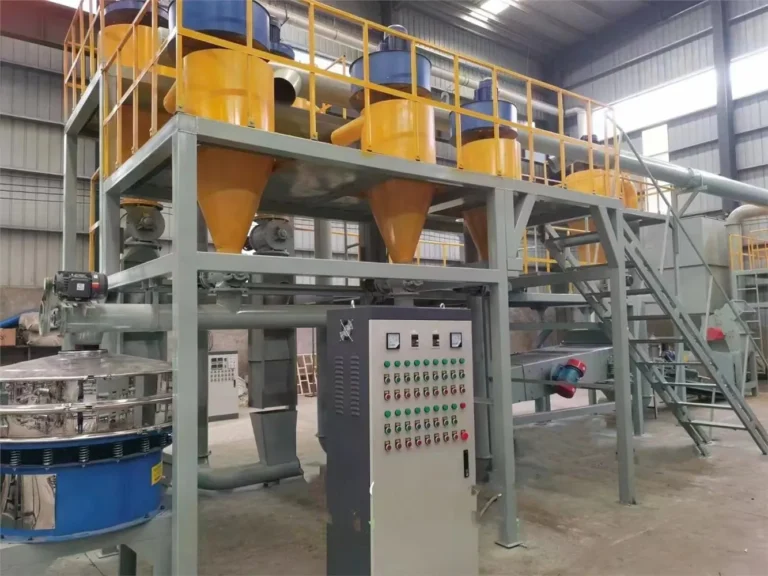
Solution
Battery Material Recovery Solution
Recover valuable material fractions from prepared lithium-ion battery streams through controlled classification, separation and material-specific process design.
View Solution →Production Line
EV Battery Recycling Line
An integrated industrial line configured around end-of-life ev packs, modules and cells, target output quality and required throughput.
View Line →Continue Reading
Related Articles