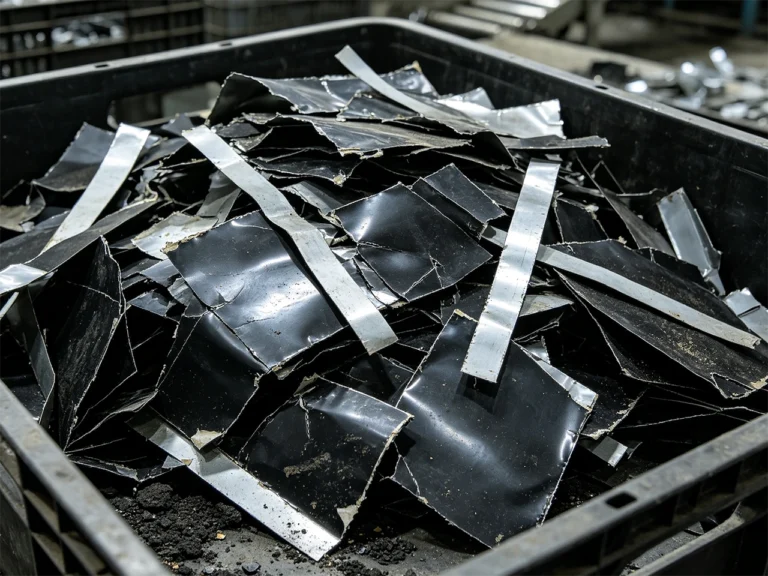
NMC Cathode Sheets
Nickel-manganese-cobalt cathode electrode sheets and production scrap based on coated aluminum foil. Typical forms: edge trim; rejected sheets; cut electrode sheets; prepared production scrap.
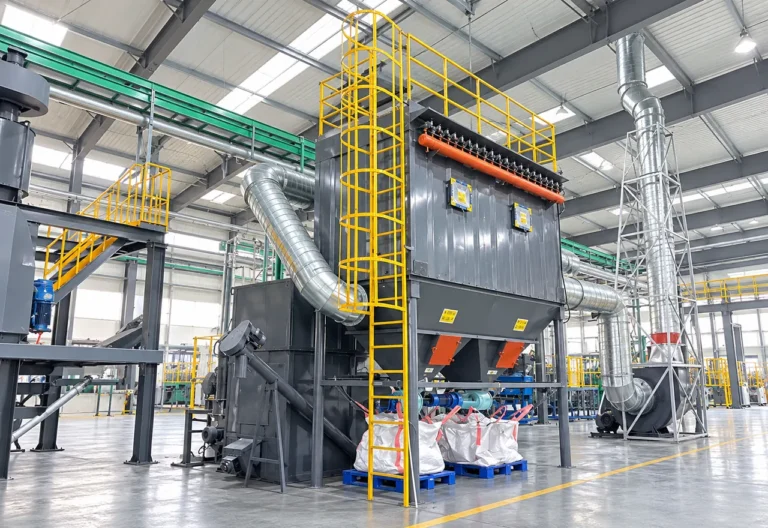
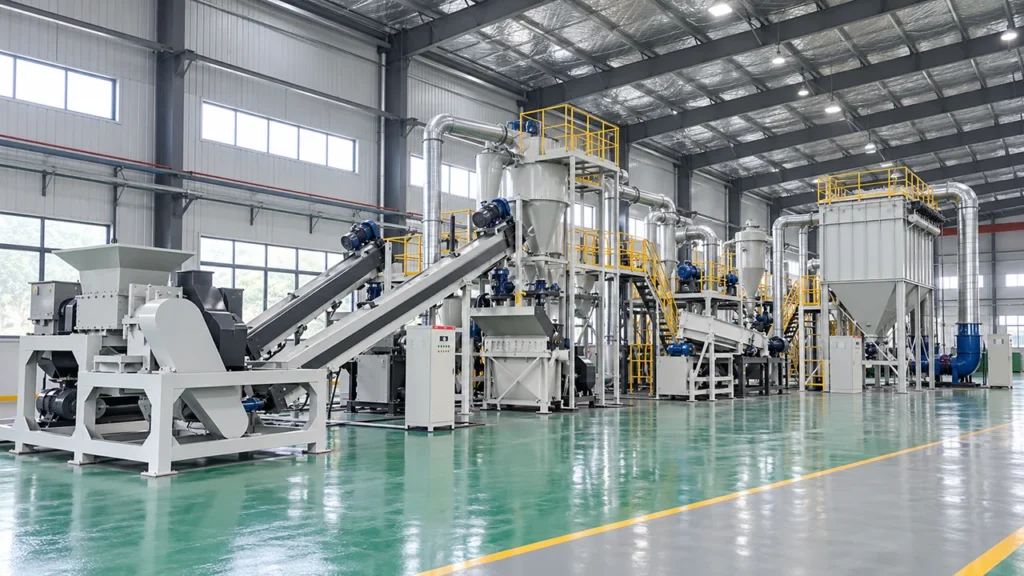
A configurable mechanical recycling system for separating cathode active material from aluminum foil in lithium-ion battery cathode sheet production scrap. The line integrates controlled feeding, crushing, delamination, screening, classification and dust collection into one coordinated process. Designed for NMC, LFP and other prepared cathode-sheet materials, with equipment selection adjusted to coating condition, foil thickness, feed size, required capacity and target recovered fractions. Final configuration is confirmed after reviewing your material photos, chemistry, condition, capacity and target outputs.
Prepared cathode-sheet feedstock, not complete battery packs or energized cells.
Cathode sheet recycling requires controlled liberation of the coated active material from thin aluminum foil without turning the entire feed into an unnecessarily mixed fine fraction. BREM configures the line around the actual electrode-sheet condition, coating adhesion, chemistry and required output quality.
The system is designed for prepared lithium-ion cathode sheet scrap generated during battery and electrode manufacturing, including edge trim, rejected sheets and coated aluminum foil. Material passes through staged size reduction and delamination, followed by screening and air/gravity classification to separate active-material-rich powder from aluminum-rich fractions.
Unlike a complete battery crushing line, this process starts with electrode-sheet material rather than energized cells or battery packs. The equipment configuration therefore focuses on efficient coating liberation, powder collection, foil recovery, dust containment and stable continuous operation.
The final line can be configured as a compact cathode-sheet recycling cell or integrated into a larger battery-material recycling plant.
01 — Feedstock-Specific Configuration: Configured around cathode chemistry, coating condition, foil thickness, moisture, dimensions and contamination level.
02 — Staged Material Liberation: Multiple crushing and delamination stages reduce excessive aluminum pulverization while releasing the coated cathode material.
03 — Powder / Aluminum Separation: Screening and aerodynamic or gravity classification separate cathode powder from aluminum-rich fractions.
04 — Enclosed Dust Control: Negative-pressure transfer and centralized dust collection control fine particulate throughout the processing line.
This page describes a cathode-sheet recycling route. Pack dismantling, module dismantling, cell discharge and electrolyte extraction from whole cells are not standard stages for this line.
This production line is intended for prepared lithium-ion cathode electrode materials rather than complete battery packs or energized cells. Feedstock condition has a direct effect on equipment selection and final separation performance.
Nickel-manganese-cobalt cathode electrode sheets and production scrap based on coated aluminum foil. Typical forms: edge trim; rejected sheets; cut electrode sheets; prepared production scrap.
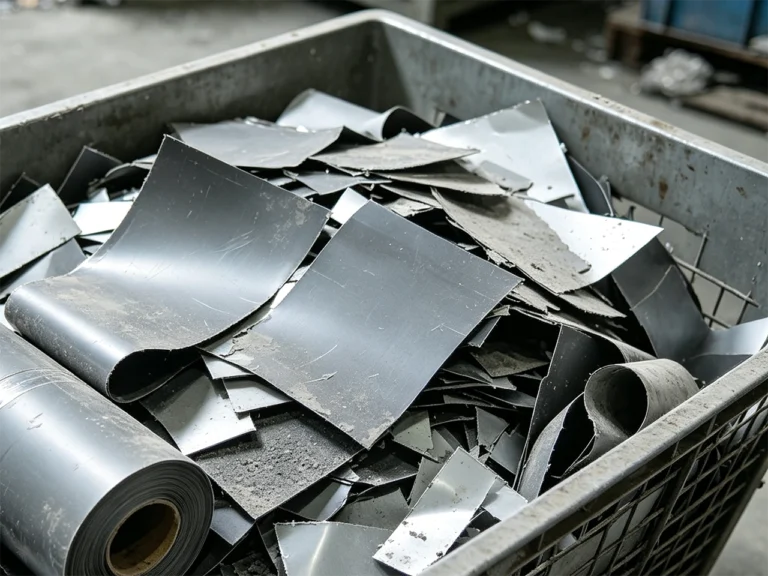
Lithium iron phosphate cathode sheets and related coated aluminum foil scrap from electrode and cell manufacturing. Typical forms: continuous sheet offcuts; rejected coated foil; cut cathode pieces; prepared cathode scrap.
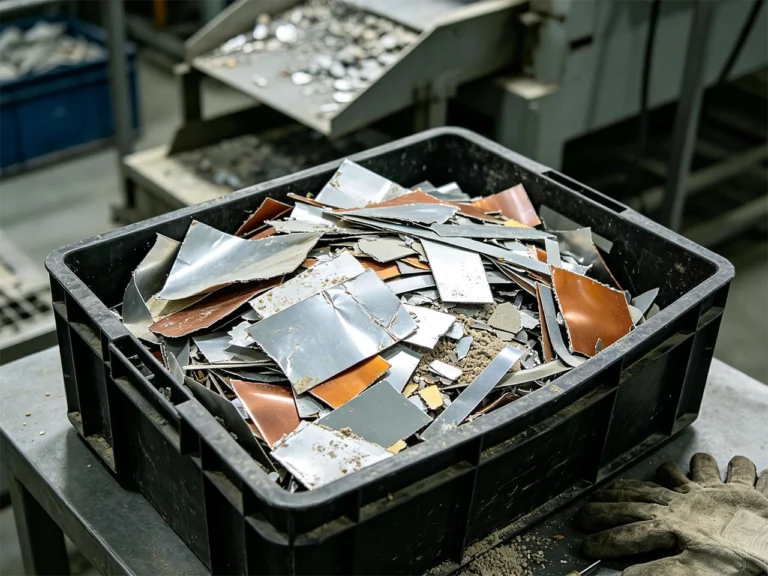
Prepared cathode-sheet material with known chemistry and controlled contamination. Mixed feed should be reviewed before final equipment selection.
A fine powder fraction containing the liberated cathode coating material recovered from the aluminum foil substrate. Final composition depends on feed chemistry, coating formulation and process settings.
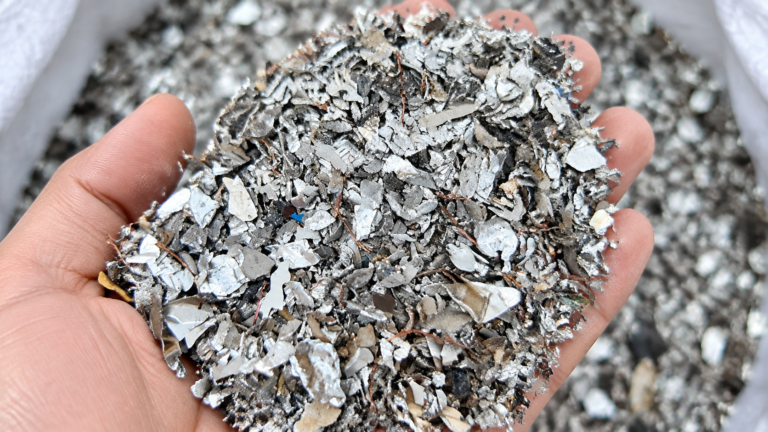
An aluminum-rich fraction separated after coating liberation and classification, suitable for downstream refining or aluminum recycling according to the required project specification.
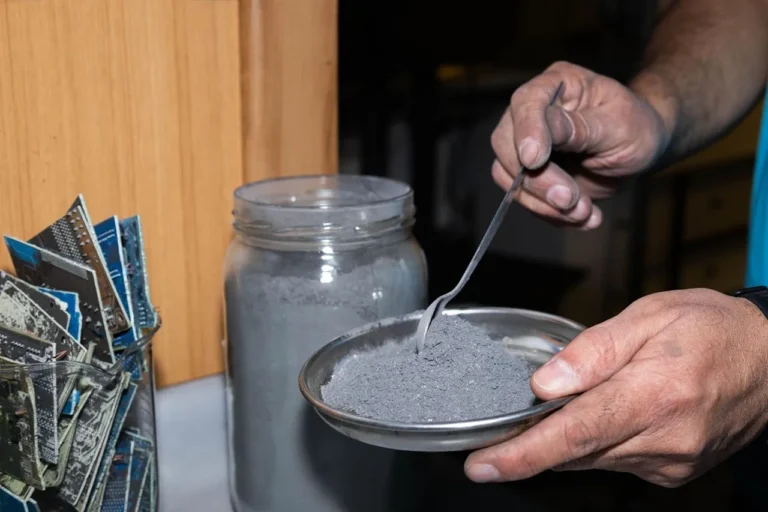
Fine particulate captured from enclosed process air and dust-collection points and managed as part of the recovered powder stream where the material specification permits.
Feedstock should be identified by chemistry and supplied in a condition suitable for mechanical processing. Free liquid electrolyte, high residual solvent, unknown hazardous contamination or complete energized cells require separate engineering review and must not be assumed to be standard cathode-sheet feed. Output purity, particle-size distribution and residual coating on aluminum are material-dependent and should be confirmed through sample testing before final performance commitments are issued.
The line combines staged mechanical liberation, particle-size control, material classification and centralized dust handling. The exact number of machines and process stages is adjusted to the cathode-sheet condition and target outputs.
The line combines staged mechanical liberation, particle-size control, material classification and centralized dust handling.
Prepared cathode sheets are introduced at a controlled rate to stabilize downstream loading and reduce sudden material surges. Feed size and form determine whether pre-cutting is required.
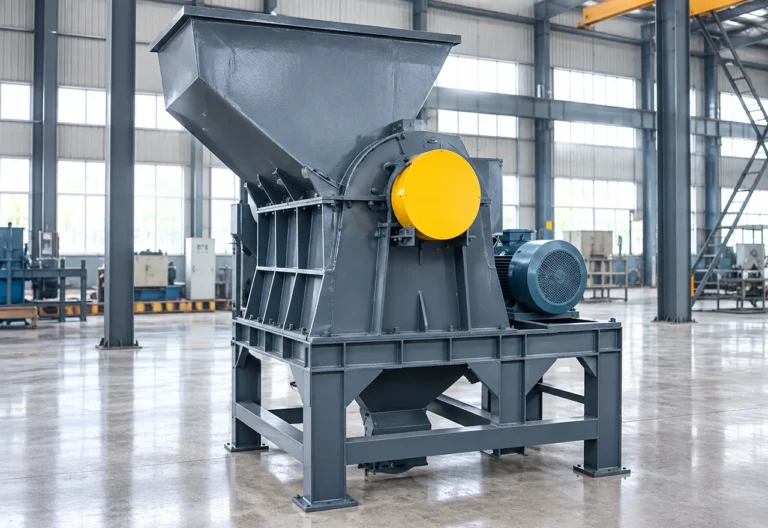
Large sheets or bundled scrap are reduced to a manageable size for stable downstream processing while avoiding unnecessary generation of ultra-fine aluminum.
Mechanical impact and shear forces further break the electrode material and promote separation of cathode coating from the aluminum foil surface.
Material requiring additional coating release enters a controlled fine-grinding stage. The objective is to improve liberation while maintaining a separable aluminum-rich fraction.
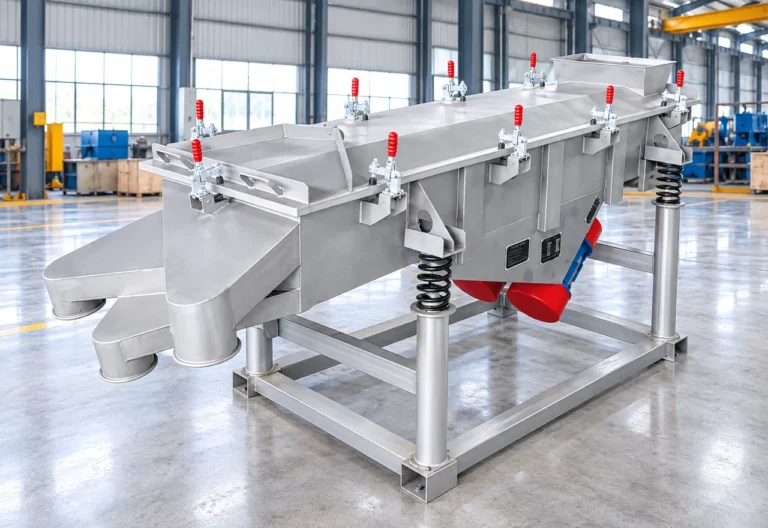
Vibratory screening separates material by particle size, removing liberated fine cathode powder and directing larger aluminum-bearing fractions to the next separation stage or recirculation.
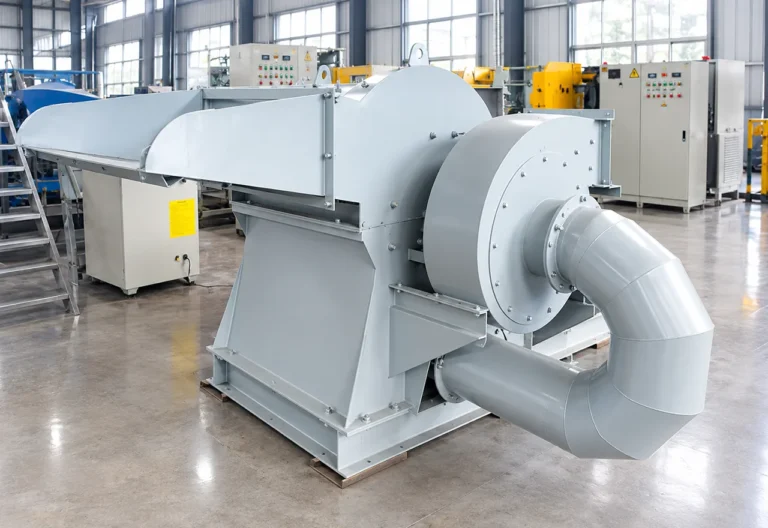
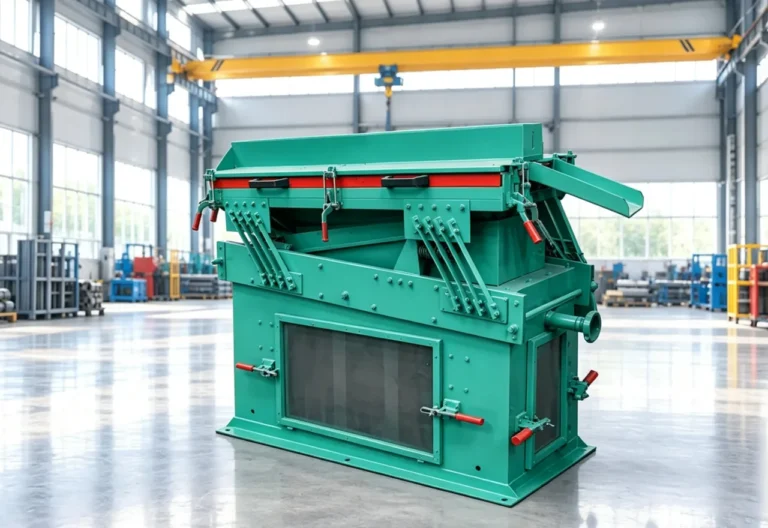
Differences in particle density, shape and aerodynamic behavior are used to separate remaining light or foil-rich material from fine active-material-rich fractions.
Recovered powder fractions are collected through enclosed discharge points for downstream storage, sampling or further metallurgical processing.
Separated aluminum foil and aluminum-rich particles are discharged as an independent recovered fraction for downstream aluminum recycling or additional cleaning.
Process points operate under controlled negative pressure. Fine airborne particles are captured by the centralized dust-collection system to improve housekeeping and material containment.
The line continuously produces separated cathode powder and aluminum-rich fractions. Final product specifications are validated against the customer's feedstock and downstream requirements.
Process order may be adjusted after material testing. Some feedstocks can use fewer stages, while strongly bonded coatings or irregular scrap may require additional liberation or recirculation.
The equipment list is configured according to cathode-sheet dimensions, coating adhesion, chemistry, required capacity, target powder fineness and aluminum recovery requirements.
Conveyors, feeders, induced-draft components, pipework, cyclone/pre-collection modules, discharge systems, electrical controls and structural platforms are engineered as part of the complete line even where they are not represented by a standalone Product post. A double-shaft shredder may be added when feedstock regularly arrives as large continuous sheet bundles, compacted sheet scrap or oversized pieces.
The following values describe the standard design envelope for project discussion. Final technical data must be confirmed after BREM reviews the actual cathode-sheet material and target output requirements.
| Parameter | Specification |
|---|---|
| Processing Capacity | 500–1000 kg/h standard project range; custom configuration available |
| Applicable Feedstock | Lithium-ion cathode sheets / coated aluminum foil cathode scrap (edge trim, rejected sheets, cut sheets, prepared coated scrap) |
| Applicable Battery Chemistry | NMC, LFP and other reviewed lithium-ion cathode materials |
| Processing Method | Feeding → staged crushing/delamination → screening → air/gravity classification → powder collection |
| Recovered Fractions | Cathode active-material-rich powder; aluminum-rich fraction |
| Automation Level | PLC-based coordinated control |
| Installed Power | Configured by project |
| Typical Floor Space | Configured by project |
| Operating Mode | Continuous |
| Dust Control | Enclosed transfer + negative-pressure collection + pulse-jet baghouse |
| Exhaust Treatment | Project-specific; additional purification modules only where feed condition or local regulation requires |
| Utilities | Confirmed after final equipment configuration |
Capacity is affected by sheet thickness, dimensions, coating loading, binder condition, moisture, contamination level, required powder particle size and the number of liberation/separation stages. Final powder size and aluminum residual coating are material- and process-dependent and confirmed by sample testing. Do not present a fixed purity or recovery percentage unless verified by project testing or approved internal engineering data.
The line is configured to maximize useful separation between cathode active material and aluminum while maintaining stable collection of fine powder. Final quality targets should be defined according to the customer's downstream refining or recycling route.
Liberated cathode coating recovered as a fine powder fraction. Chemistry follows the incoming cathode material, while particle-size distribution and aluminum carryover depend on feed condition and process settings.
Separated aluminum-rich foil and particles with most of the cathode coating mechanically removed. Residual coating is evaluated according to the customer's downstream aluminum-recycling requirement.
Fine material captured from process-air collection points. Depending on the feedstock and quality specification, this fraction can be combined with the main cathode powder stream or handled separately.
For commercial projects, BREM should confirm the target metrics before contract commitment, including particle-size range, aluminum content in the powder fraction, residual coating on recovered aluminum and acceptable material loss.
Cathode-sheet recycling removes the high-energy risks associated with processing complete energized cells, but fine particulate, mechanical equipment and possible residual process chemicals still require engineered controls.
Stable metering prevents overloads and reduces sudden accumulation inside crushing and separation equipment.
Key processing points can be equipped with temperature monitoring to identify abnormal friction, bearing conditions or unexpected heat rise.
Crushing, screening and powder-transfer points are enclosed and maintained under negative pressure to limit fugitive fine particulate.
Electrical grounding and appropriate conductive connections reduce static accumulation in powder-handling and ducting systems.
Protection strategy is selected according to dust characteristics, feedstock condition, local code and final process design. Required isolation, suppression, venting or inerting measures must be determined during engineering review rather than assumed as one universal configuration.
Equipment startup, shutdown, overload protection, fault alarms and upstream/downstream interlocks coordinate the complete line and reduce unsafe operation during abnormal conditions.
Cathode-sheet feed must be screened for free liquid electrolyte, significant residual solvent, foreign metal and other incompatible contaminants before processing. Materials outside the approved feed specification require separate review.
Environmental control is integrated into the production line rather than treated as a separate afterthought. The main objective is to keep cathode powder contained, collect airborne fines and maintain a clean, controllable processing environment.
Pickup points are arranged around crushing, screening, transfer and discharge positions. Fine particulate is conveyed to a centralized pulse-jet baghouse or project-specific collection system.
Covered conveyors, sealed connections and negative-pressure ducting reduce fugitive powder during movement between process stages.
Where feed condition or local regulation requires additional exhaust treatment, activated-carbon adsorption, scrubbing or other purification modules can be integrated after engineering review.
Recovered fine powder and filter residues are discharged through controlled collection points to support material accounting, housekeeping and downstream handling.
The required exhaust-treatment train depends on feedstock contamination, residual solvent/VOC condition, local emission limits and the final process configuration. Do not show every purification machine as mandatory for a dry, clean cathode-sheet project.
BREM configures cathode-sheet recycling projects around the customer's actual material rather than applying one fixed machine list to every plant.
A typical project starts with review of cathode chemistry, sheet size, coating condition, aluminum foil thickness, moisture and contamination. Based on the material test, the crushing and delamination stages are adjusted to release the cathode coating while maintaining a recoverable aluminum-rich fraction. Screening and air/gravity classification are then tuned to the required powder size and downstream quality target. The complete delivery scope can include material feeding, crushing, fine liberation, screening, classification, powder collection, dust control, electrical control, platforms, conveying and commissioning support.
Project photos and operating data are published only where customer authorization and verified project records are available. Contact BREM for a reference configuration matched to your cathode chemistry and required capacity.
Resolve feedstock, process-route and configuration questions before the engineering enquiry.
The line is designed for prepared lithium-ion cathode electrode materials such as NMC and LFP coated aluminum foil, cathode edge trim, rejected cathode sheets and similar production scrap. Material chemistry and contamination should be confirmed before final equipment selection.
Not as the standard feed. This line is designed for prepared cathode-sheet material. Complete cells, modules and packs require separate discharging, dismantling and battery-processing stages before electrode material can enter a cathode-sheet recycling process.
The same basic process concept can be used, but operating parameters and equipment settings may differ because coating properties, binder behavior, sheet thickness and target powder quality are different. Mixed chemistries should be discussed before processing.
The primary recovered streams are cathode active-material-rich powder and an aluminum-rich foil/particle fraction. Fine powder captured by the dust-collection system can also be managed as a separate recovered stream where the specification allows.
Residual coating on aluminum depends on the original cathode sheet, coating adhesion, liberation intensity and separation settings. BREM recommends sample testing when the project has a defined aluminum cleanliness target.
Particle size is influenced by the crushing and pulverizing configuration, screen specification, recirculation strategy and the customer's downstream process. The target range should be defined before final equipment selection.
Yes. Enclosed transfer and negative-pressure dust collection should be engineered as part of the complete cathode-sheet recycling system because the process generates fine active-material powder.
Please provide cathode chemistry, material photos or video, sheet dimensions, approximate foil/coating condition, moisture or residual solvent condition, required capacity, operating hours, target recovered products, project location and any required output-quality limits.
Send BREM your cathode-sheet material information and project requirements. Our engineering team will review the feedstock and recommend the process stages, main equipment, dust-control configuration and line capacity for your application. Helpful inputs: cathode chemistry; sheet size and coating condition; moisture or residual solvent; required capacity; target powder and aluminum quality; plant space; country/region and environmental requirements.
You can also upload material photos, equipment images, plant layouts or technical documents.
You don't need to know all the technical details. Tell us what you're working with and what you want to achieve, and our team will help you determine the next step.