Industry & Market
Black Mass Processing Capacity Is Growing Across Global Markets
Black mass processing capacity is expanding across China, Europe, North America, and other major battery markets as electric vehicle adoption and lithium-ion battery production…
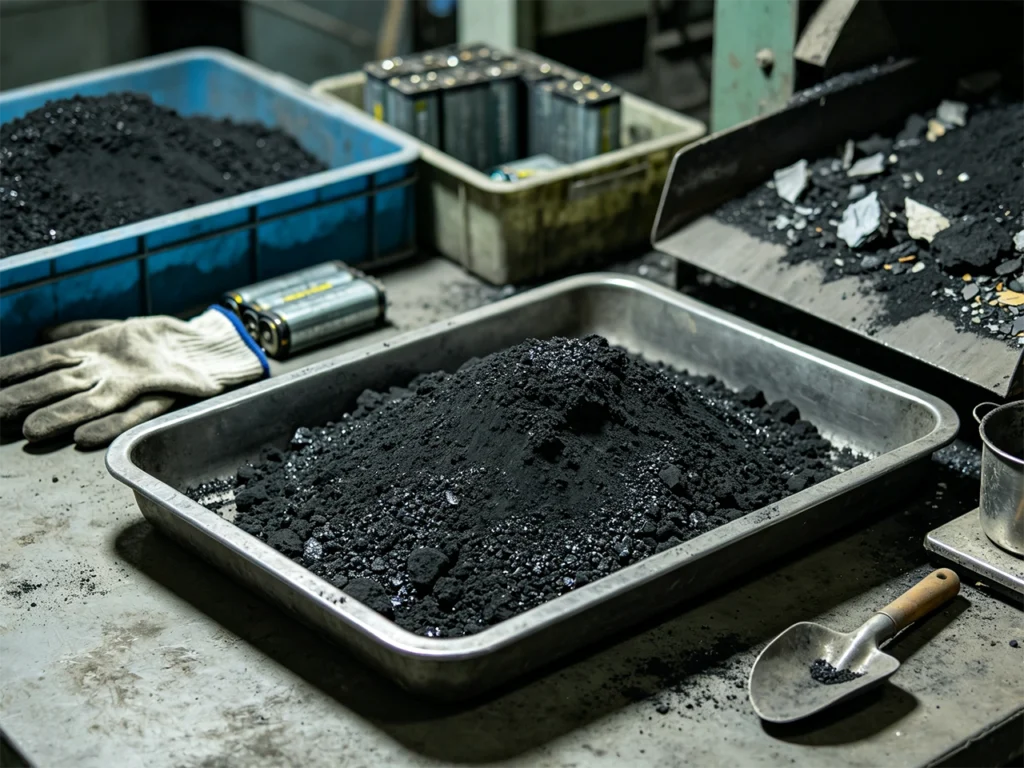
The global battery recycling industry is entering a new phase as black mass processing capacity continues to expand across major markets. Driven by the rapid growth of electric vehicles, energy storage systems, and lithium-ion battery production, recyclers and materials companies are investing in technologies designed to recover valuable metals from end-of-life batteries and manufacturing scrap.
Black mass has become a strategically important intermediate material in the battery supply chain. It typically contains valuable metals such as lithium, nickel, cobalt, manganese, copper, and other recoverable materials. As demand for battery raw materials increases and manufacturers seek more secure and sustainable sources of supply, the ability to efficiently process black mass is becoming increasingly important.
What Is Black Mass?
Black mass is a powder-like material produced during the recycling and mechanical processing of lithium-ion batteries. Depending on the battery chemistry and recycling process, its composition can vary significantly.
A typical black mass may contain:
- Lithium
- Nickel
- Cobalt
- Manganese
- Copper
- Graphite
- Other battery-related materials
The material is generally produced after batteries are discharged, dismantled, crushed, and mechanically separated. The resulting black mass can then undergo further hydrometallurgical or pyrometallurgical processing to recover valuable metals.
Rather than being a final recycled product, black mass is better understood as an important intermediate feedstock for the recovery of battery materials.
Global Demand for Black Mass Processing Is Increasing
One of the main factors supporting the expansion of black mass processing capacity is the rapid growth of the lithium-ion battery market.
Electric vehicle adoption has increased battery demand substantially over the past decade. At the same time, battery storage systems are being deployed at a growing scale to support renewable energy integration and grid modernization.
This growth is creating two major sources of recyclable material.
First, increasing numbers of batteries are reaching the end of their useful life. Second, battery manufacturing itself generates production scrap that can be recycled into secondary raw materials.
As these material streams increase, recycling companies are seeking larger and more sophisticated processing facilities capable of handling higher volumes of feedstock.
China Remains a Major Processing Market
China has developed one of the world’s largest lithium-ion battery manufacturing and recycling ecosystems. The country’s extensive battery production base has created a significant supply of manufacturing scrap, while the growing number of retired electric vehicle batteries is expected to provide an additional source of recyclable material.
Chinese companies have invested heavily in battery recycling, metal recovery, and precursor material production. The integration of recycling operations with existing battery-material supply chains can provide advantages in transportation, feedstock sourcing, and downstream material utilization.
Black mass processing is therefore increasingly connected with the broader battery materials industry rather than operating as an isolated recycling activity.
Europe Is Building Regional Recycling Capacity
Europe is also expanding its battery recycling infrastructure as governments and manufacturers seek to establish a more localized battery supply chain.
The region has historically relied heavily on imported battery raw materials and components. Increasing recycling capacity offers an opportunity to recover materials within Europe and reduce dependence on primary raw material imports.
European battery recycling projects are increasingly focused on high-value metal recovery and closed-loop supply chains. Recovered lithium, nickel, cobalt, and other materials can potentially be returned to battery-material production, helping reduce the need for newly mined resources.
Regulatory developments are also encouraging companies to improve battery collection, recycling, and material recovery.
North America Is Expanding Black Mass Processing Infrastructure
The United States and Canada are becoming increasingly important markets for battery recycling investment.
The expansion of electric vehicle and battery manufacturing capacity in North America is creating a growing local supply of manufacturing scrap. Over time, the number of end-of-life electric vehicle batteries is also expected to increase.
Battery manufacturers, recyclers, automakers, and specialized materials companies are therefore developing new recycling facilities and partnerships.
A major objective is to establish a more regional battery materials ecosystem in which used batteries and production scrap can be collected, processed into black mass, refined, and returned to the battery supply chain.
This approach can potentially reduce transportation requirements and improve supply security for critical battery materials.
Hydrometallurgy Is Playing an Increasingly Important Role
Hydrometallurgical processing has attracted significant attention in the black mass recycling industry because it can selectively recover valuable metals from complex feedstocks.
In a typical hydrometallurgical process, black mass is treated using chemical solutions to dissolve target metals. Subsequent purification and separation steps can produce individual metal compounds or other battery-grade materials.
Depending on the feedstock and process design, hydrometallurgy may enable high recovery rates for lithium, nickel, cobalt, and manganese.
However, the economics of hydrometallurgical processing depend on several factors, including feedstock composition, chemical consumption, energy requirements, recovery rates, plant utilization, and the market prices of recovered materials.
Pyrometallurgical Processing Remains Relevant
Pyrometallurgy is another established approach to battery recycling. It uses high-temperature processing to recover certain metals from battery materials.
The technology can handle diverse feedstocks and may provide operational advantages for certain recycling applications. However, energy consumption and the treatment of elements such as lithium can affect the overall economics and environmental performance of a pyrometallurgical process.
As a result, some companies are combining mechanical separation with hydrometallurgical processing, while others continue to develop optimized thermal technologies.
The most appropriate processing route depends heavily on battery chemistry, feedstock characteristics, plant scale, local energy costs, regulations, and the desired final products.
Battery Chemistry Is Changing the Recycling Equation
The expansion of lithium iron phosphate (LFP) batteries is creating new challenges and opportunities for black mass processors.
Nickel-rich battery chemistries can contain relatively high concentrations of nickel and cobalt, giving their black mass significant metal value. LFP batteries contain less nickel and cobalt, which changes the economic structure of recycling.
At the same time, LFP batteries contain valuable lithium and other materials that can potentially be recovered.
As LFP adoption increases in electric vehicles and energy storage applications, recyclers are likely to place greater emphasis on efficient lithium recovery and lower-cost processing technologies.
The changing battery chemistry mix means that recycling companies cannot rely on a single processing strategy indefinitely. Flexible processing systems may become increasingly important.
Manufacturing Scrap Is an Important Feedstock
End-of-life batteries are not the only source of black mass.
Battery manufacturing generates various forms of production scrap, including defective cells, electrode materials, and other process waste. These materials can often have relatively consistent compositions compared with batteries collected from the consumer market.
For recyclers, manufacturing scrap can therefore provide an attractive feedstock.
In regions where battery manufacturing capacity is expanding rapidly, recycling companies may establish facilities close to cell and battery plants. Shorter transportation distances can reduce logistics costs while allowing manufacturers to recover value from production waste.
As global battery manufacturing capacity grows, the amount of recyclable manufacturing scrap is also expected to become increasingly significant.
Feedstock Availability Will Become a Key Competitive Factor
Having sufficient processing capacity is only part of the recycling business.
Recyclers also need reliable access to black mass and battery feedstock. As more companies enter the market, competition for high-quality feedstock may increase.
Long-term agreements with battery manufacturers, automakers, collection companies, and other partners can therefore become an important part of recycling business models.
Companies with access to diversified feedstock sources may be better positioned to maintain high plant utilization and manage changes in battery chemistry and market conditions.
Recovering Battery-Grade Materials Is Becoming More Important
The ultimate value of black mass processing is not simply the production of an intermediate material. Increasing attention is being placed on the quality and usability of the recovered materials.
Battery manufacturers require consistent specifications for materials used in cathode and other battery components. This creates a strong incentive for recyclers to develop purification processes capable of producing high-quality lithium, nickel, cobalt, and manganese products.
As the industry matures, more recycling companies are seeking to integrate upstream collection and mechanical processing with downstream refining.
This can create a more complete value chain and potentially capture more value from recycled materials.
Recycling Can Support Supply Chain Security
Battery recycling is increasingly viewed as part of the broader strategy for securing critical mineral supply.
Lithium, nickel, cobalt, manganese, and other battery materials are essential to modern energy technologies. Mining remains the primary source of these materials, but recycling can provide an additional source of supply.
Recovered materials can complement primary production and potentially reduce exposure to disruptions in mining, refining, transportation, and international trade.
For battery-producing countries and regions, domestic recycling capacity may therefore become strategically important.
Challenges Remain for the Black Mass Industry
Despite strong growth potential, black mass processing faces several challenges.
Feedstock composition can vary substantially depending on battery chemistry, manufacturer, cell format, and battery age. This variability can complicate process control and affect recovery economics.
Transportation and handling can also be challenging because spent lithium-ion batteries require specialized safety procedures.
Another issue is commodity price volatility. The economic value of black mass depends heavily on the prices of recovered metals. A decline in nickel, cobalt, lithium, or other commodity prices can reduce recycling margins.
Processing costs, environmental requirements, permitting, labor, energy prices, and capital investment also influence project economics.
Technology Development Will Shape Future Capacity
Future growth in black mass processing is likely to depend not only on larger plants but also on improvements in processing efficiency.
Companies are developing technologies aimed at:
- Improving metal recovery rates
- Reducing energy consumption
- Lowering chemical consumption
- Increasing lithium recovery
- Processing multiple battery chemistries
- Improving automation and process control
- Reducing waste generation
- Producing higher-purity recovered materials
Automation and advanced process monitoring may also help recyclers manage increasingly complex feedstocks.
As plants become larger, process efficiency and operating reliability will become increasingly important to overall profitability.
The Market Is Moving Toward More Integrated Recycling Systems
The future battery recycling industry is likely to become more integrated.
Instead of treating collection, mechanical processing, black mass production, refining, and battery-material manufacturing as separate activities, companies are increasingly exploring integrated supply chains.
A typical integrated model could involve collecting used batteries and manufacturing scrap, mechanically processing the material into black mass, refining the black mass into individual materials, and supplying those materials back to battery manufacturers.
Such closed-loop systems can improve material traceability and potentially reduce dependence on external raw material suppliers.
Outlook for Global Black Mass Processing Capacity
Global black mass processing capacity is expected to continue expanding as battery production and battery retirement volumes increase.
However, capacity growth will not necessarily be uniform across all markets. Regions with strong battery manufacturing industries, supportive regulations, established recycling infrastructure, and access to capital are likely to remain at the center of investment.
The competitive landscape is also likely to evolve. Larger companies may pursue vertically integrated operations, while specialized recyclers may focus on specific battery chemistries, processing technologies, or regional feedstock networks.
Over time, the industry is expected to place greater emphasis on processing flexibility, recovery efficiency, environmental performance, and the ability to produce battery-grade materials.
Conclusion
The expansion of black mass processing capacity reflects the growing importance of battery recycling in the global energy transition.
As electric vehicles, energy storage systems, and lithium-ion battery manufacturing continue to expand, increasing quantities of battery materials will enter recycling streams. This creates a significant opportunity to recover valuable metals and strengthen the supply of secondary raw materials.
China, Europe, North America, and other major battery markets are developing new recycling infrastructure, while advances in hydrometallurgy, pyrometallurgy, mechanical separation, and process automation are improving the industry’s technological capabilities.
The next stage of market development will likely focus on more efficient lithium recovery, greater processing flexibility, reliable feedstock supply, and the production of high-quality battery-grade materials.
For companies operating across the battery value chain, black mass is becoming more than a recycling by-product. It is increasingly viewed as an important secondary resource and a strategic component of the future battery materials supply chain.
BREM Capability
Related BREM Solutions
Move from market insight to the process routes and equipment BREM engineers for recycling projects.
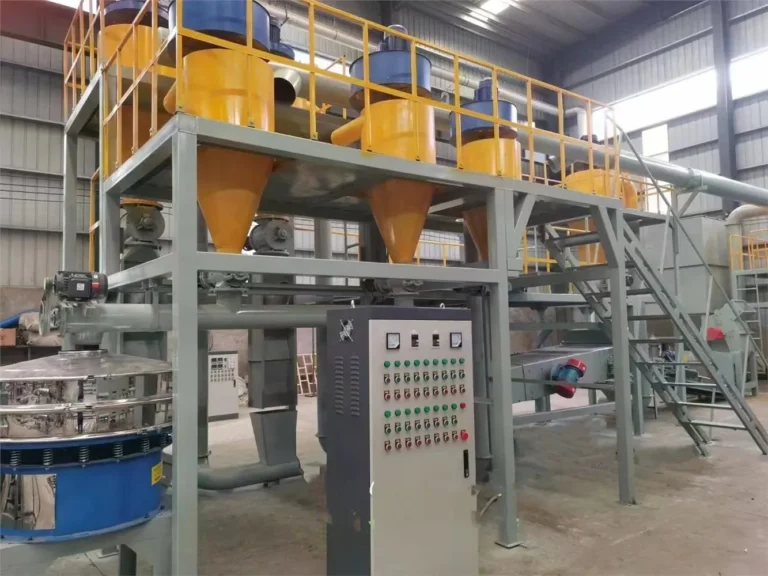
Solution
Lithium Battery Recycling Solution
Mechanical recycling solutions for recovering black mass, copper, aluminum and other valuable fractions from end-of-life lithium-ion batteries and battery production scrap.
View Solution →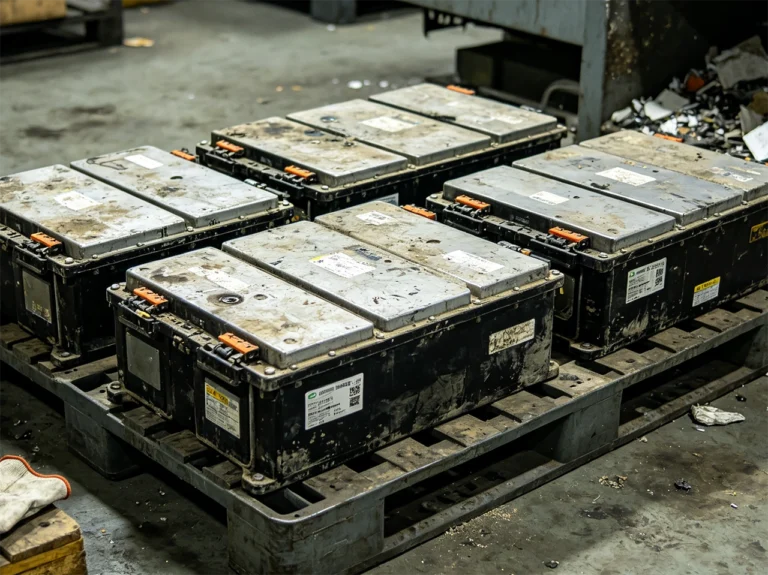
Solution
EV Battery Recycling Solution
Prepare end-of-life EV battery packs and modules for safe mechanical recycling, then recover black mass, copper, aluminum and other material fractions through…
View Solution →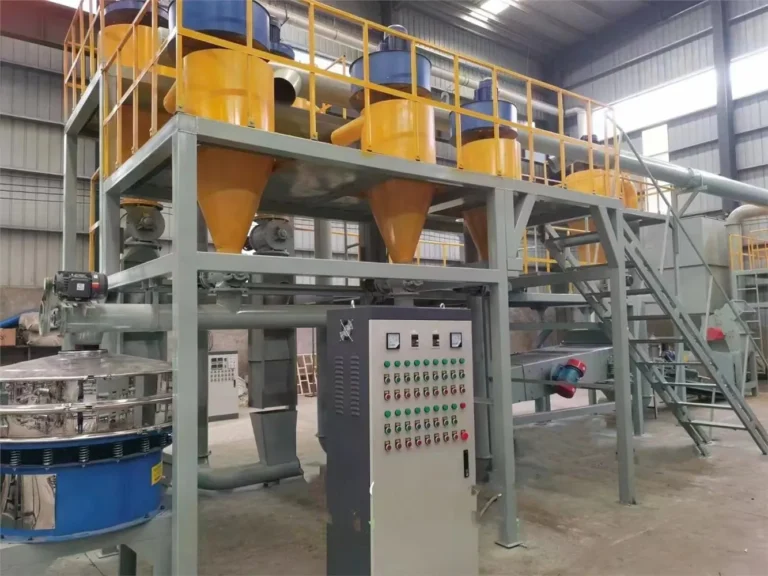
Solution
Battery Material Recovery Solution
Recover valuable material fractions from prepared lithium-ion battery streams through controlled classification, separation and material-specific process design.
View Solution →Continue Reading
Related Articles