Skip to content
Battery Recycling Equipment Manufacturing Engineering · Manufacturing · Global Service
Production line category

PCB & Electronic Board Recycling

4Production lines
02 / Production Line Range

Different process routes for different recycling objectives

Each card locates a line by feedstock, core route and recovered outputs — not by unverified capacity or purity claims.

CONFIGURABLE

PCB Component Dismantling & Recycling Line

Best for: Populated waste PCBs requiring automated de-soldering and component removal before board crushing.

FeedstockPopulated waste PCBs, assembly rejects, prepared electronic boards Recovery ObjectiveDismantled electronic components; stripped PCB substrate Typical ProcessHeating / de-soldering → drum dismantling → components + stripped PCB → multi-stage fume treatment ConfigurationConfigured by board type, solder composition, component density, capacity and local exhaust requirements.
  1. PCB inspection
  2. Controlled feeding
  3. Heating / de-soldering
  4. Rotary dismantling
  5. Component discharge
  6. Stripped PCB discharge
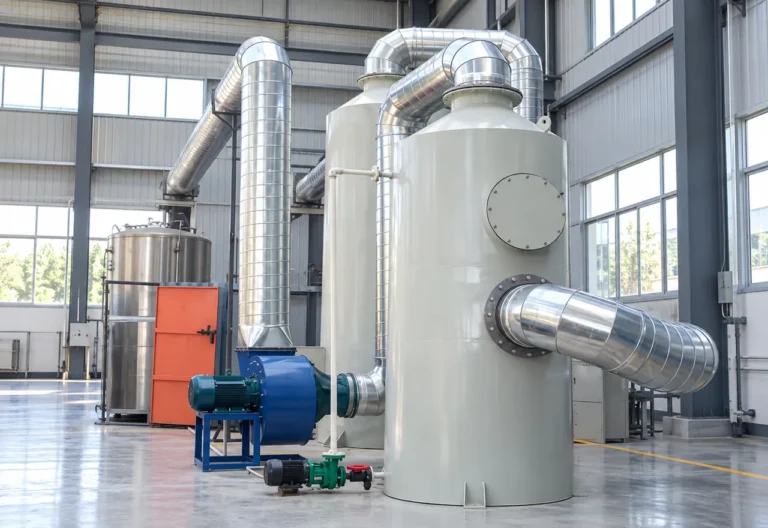
  7. Fume capture
  8. Water spray scrubbing
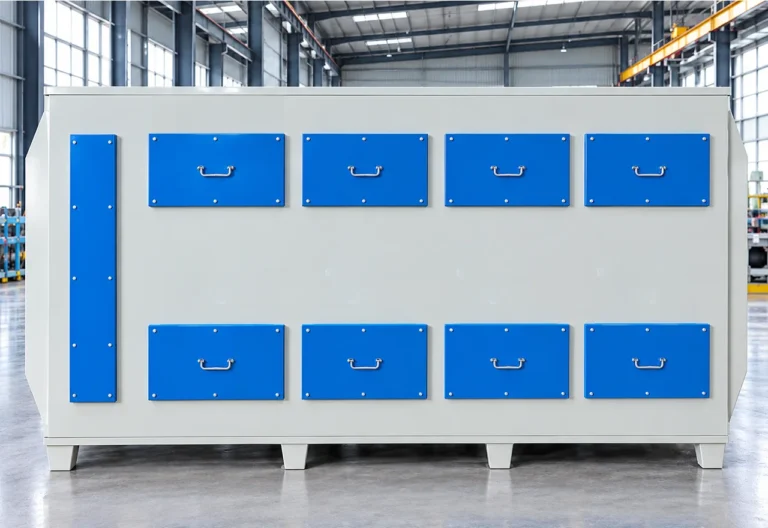
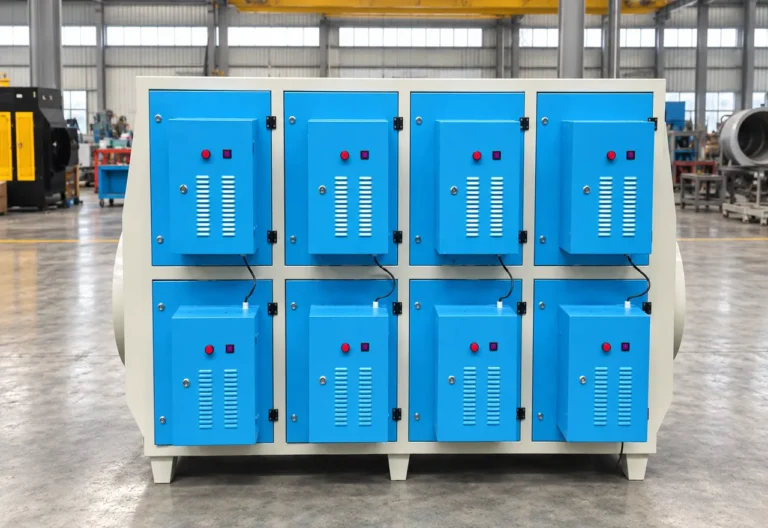
  9. Adsorption & purification
CONFIGURABLE

Waste Capacitor Crushing & Recycling Line

Best for: Prepared waste aluminum electrolytic capacitors and sorted capacitor scrap requiring dry metal / non-metal separation.

FeedstockAluminum electrolytic capacitors, prepared mixed waste capacitors, capacitor production scrap Recovery ObjectiveAluminum; magnetic terminal/pin fraction; rubber/plastic; paper/light material Typical ProcessMulti-knife crushing → air/gravity separation → magnetic separation → eddy-current separation → collection ConfigurationConfigured by capacitor type, size, metal content, oil/paper condition, capacity and target recovered fractions.
  1. Feedstock inspection
  2. Controlled feeding
  3. Multi-knife crushing
  4. Air / gravity separation
  5. Magnetic separation
  6. Eddy-current separation
  7. Aluminum collection
  8. Non-metal collection
  9. Dust / air treatment
CONFIGURABLE

Copper-Clad Laminate & PCB Board Recycling Line

Best for: Copper-clad laminate, PCB edge trim and prepared circuit-board scrap requiring dry metal / non-metal separation.

FeedstockCopper-clad laminate, PCB / PC board scrap, edge trim, prepared circuit-control boards Recovery ObjectiveCopper-rich metal fraction; resin powder; fiber powder Typical ProcessCoarse crush → pulverizing → classification → cyclone collection → electrostatic separation → dust collection ConfigurationConfigured by board type, copper loading, component condition, capacity and target metal grade after material review.
  1. Feedstock inspection
  2. Primary crushing
  3. Fine pulverizing
  4. Air classification
  5. Cyclone collection
  6. Particle classification
  7. Electrostatic separation
  8. Metal / non-metal collection
  9. Dust collection
CONFIGURABLE

PCB Recycling Line

Best for: An integrated industrial line configured around waste printed circuit boards and copper-clad laminate, target output quality and required throughput.

FeedstockWaste printed circuit boards and copper-clad laminate Recovery ObjectiveFractions after density and electrostatic separation Typical ProcessComponent removal (optional) → shredding → milling → screening → density separation → electrostatic separation ConfigurationThe final route is defined after feedstock review and, where appropriate, material testing.
  1. Component removal (optional)
  2. shredding
  3. milling
  4. screening
  5. density separation
  6. electrostatic separation
03 / Line Selection Guide

Start with the feedstock and recovery objective

The three-step guide narrows a line type for evaluation. It does not replace process engineering.

Selection result / indicative

Start with feedstock, output and project stage.

Choose the three inputs to see whether this category is relevant to evaluate first.

07 / Engineering & Project Criteria

A production line is selected around the whole project

These criteria are project-level. They are not equivalent to choosing a single machine from a catalogue.

Feedstock Condition
Chemistry, format, state of charge, contamination and whether the material is a pack, cell, mixed scrap or production sheet determine the legal and technical start of the line.
Target Capacity
Throughput is engineered after the process route is agreed. Capacity is customized; this page does not publish a confirmed range.
Recovery Objective
Reusable cells, prepared feed, black mass, metal fractions or powder / foil each imply a different process end-point and equipment set.
Plant Space
Layout, building height, maintenance access and material-flow direction constrain whether a route is compact, modular or staged across rooms.
Utilities
Power, compressed air, water, negative-pressure ducting and control architecture are sized to the full line, not to one crusher.
Safety & Environmental Requirements
Discharge, fire, explosion, dust, off-gas and local regulation decide pretreatment depth and environmental-control modules.

Also reviewed at project stage Automation level Local regulations Future expansion Material variability
09 / Production Line Enquiry

Request a preliminary process configuration

Share your feedstock, target capacity, required outputs and plant conditions. This information is used to evaluate a suitable process route and equipment configuration.

Prepare if available:
Feedstock photos, material condition, desired fractions, available plant area, utilities and current project stage.