
Production Line
Black Mass Production Line
An integrated industrial line configured around prepared lithium battery cells, electrode scrap and intermediate fractions, target output quality and required throughput.
01 / Production line overview
Line overview
Prepared lithium battery cells, electrode scrap and intermediate fractions
An integrated industrial line configured around prepared lithium battery cells, electrode scrap and intermediate fractions, target output quality and required throughput.
Processing flow: Controlled feeding → enclosed size reduction → fine screening → metal separation → black mass collection.
The final route is defined after feedstock review and, where appropriate, material testing.
02 / Feedstock & Outputs
What the Line Processes — and What It Produces
Keep this section direct: customers should immediately understand whether their material is suitable and what valuable fractions can be recovered.
Suitable Feedstock
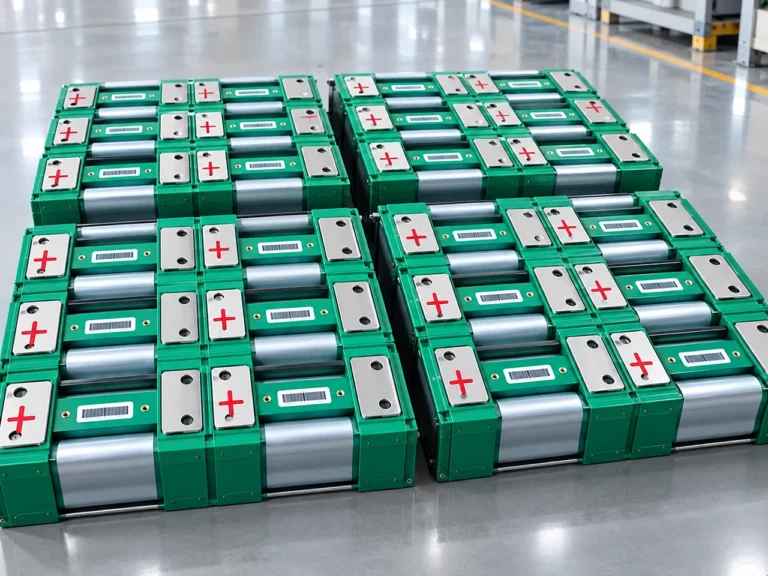
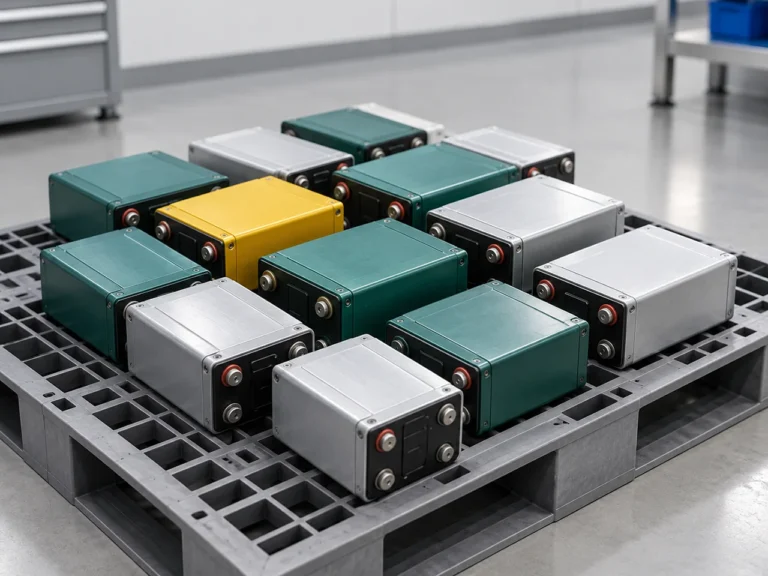
Spent EV Lithium-ion Batteries
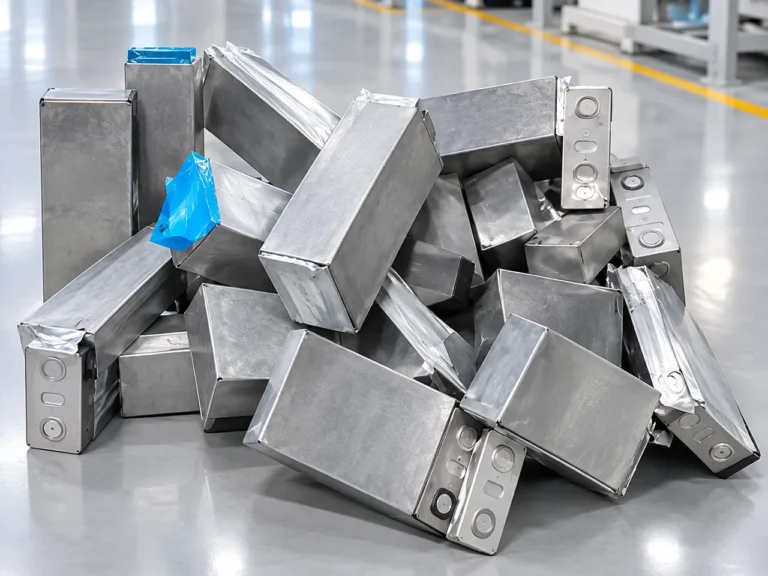
Spent Steel-Cased Lithium-ion Batteries
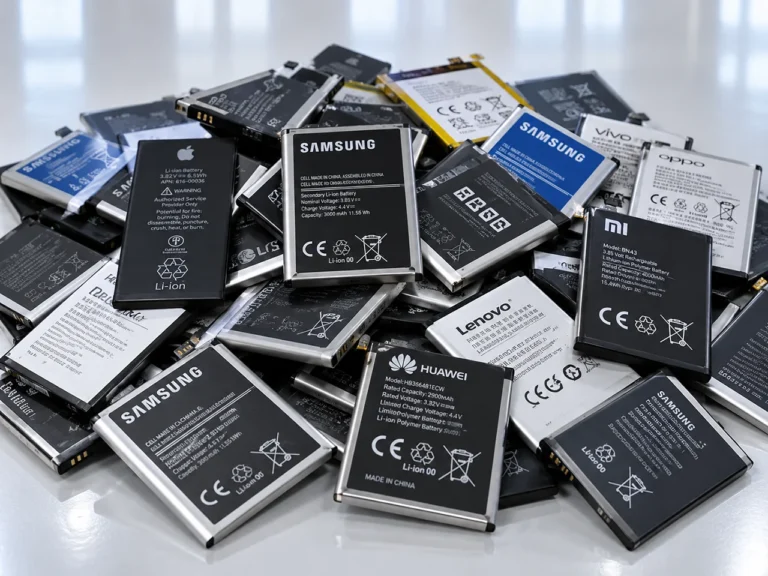
Spent Mobile Phone Lithium-ion Batteries
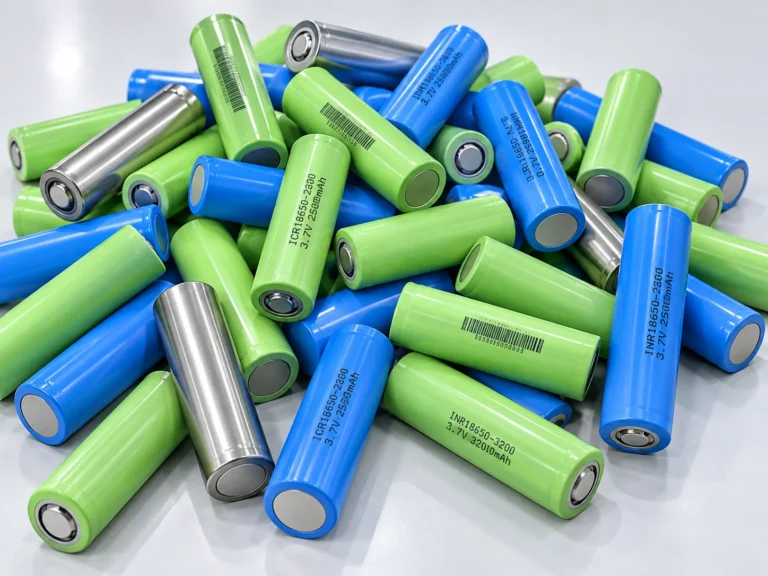
Spent Cylindrical Lithium-ion Batteries
Recovered Material Fractions
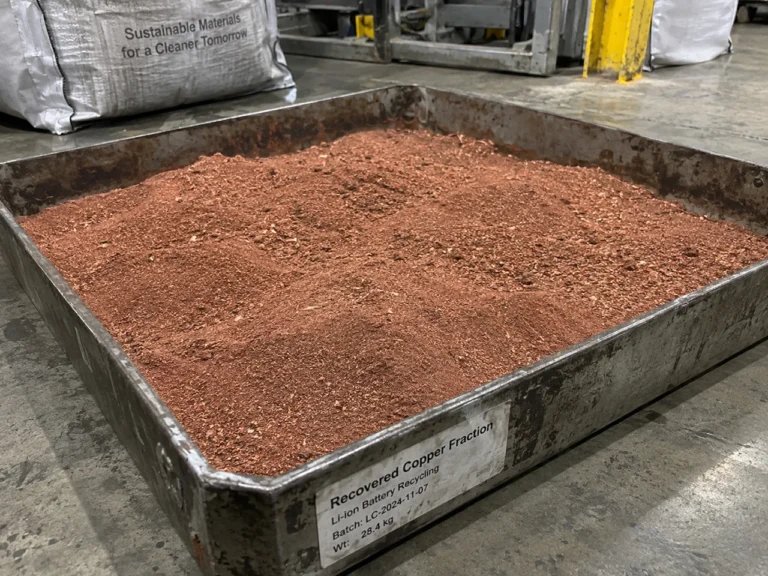
Copper Fraction
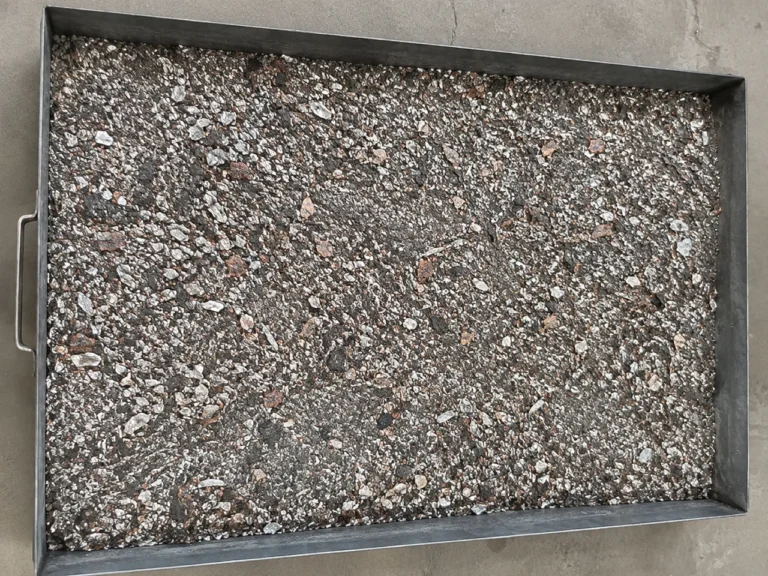
Copper-Aluminum Mixed Fraction
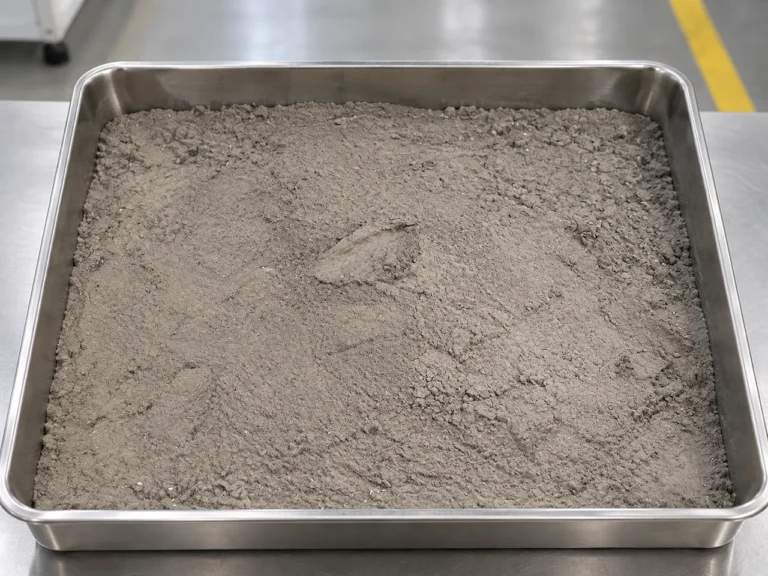
Fine Electrode Material Fraction
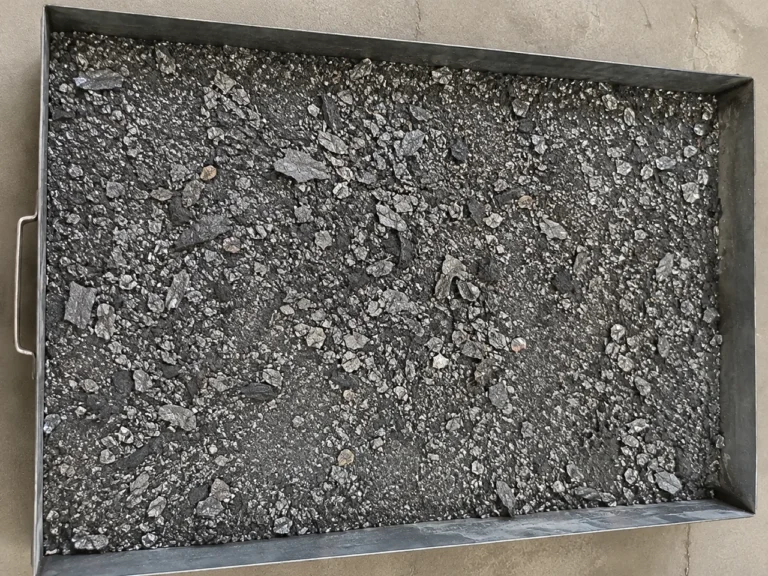
Graphite-Rich Fraction
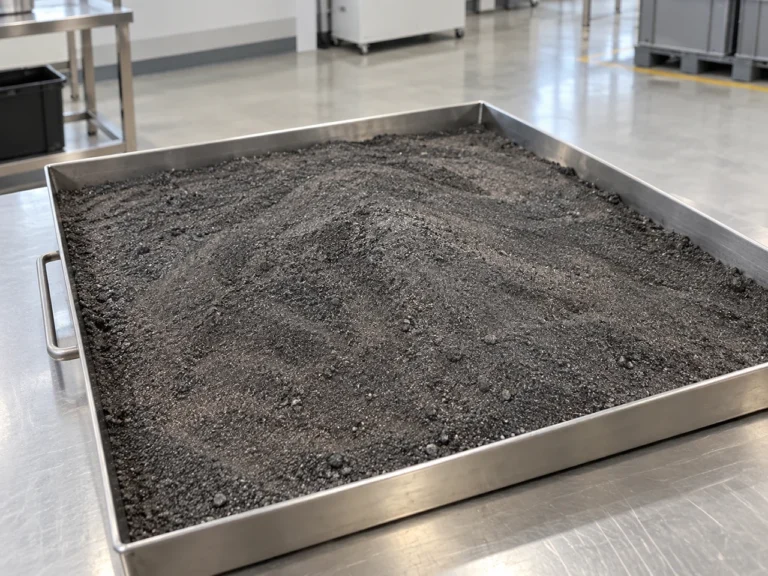
High-Purity Black Mass
Final feedstock acceptance and product quality depend on material review and the approved process proposal. No purity or recovery figures are implied here.
03 / Complete Production Line & Process Overview
Complete production line & process overview
A visual overview of the complete production process, showing how the main processing, separation, collection and environmental-control stages are connected as one integrated production line.
Process flow
The line combines multiple processing stages into one coordinated system, with the final configuration determined by feedstock, capacity and target recovered materials.
Feeding
Feedstock is introduced into the line through a controlled feeding system for stable downstream processing.
Primary Processing
The first processing stage prepares and reduces the incoming material for subsequent treatment.
Secondary Processing
Further processing improves material liberation and prepares the feed for classification and separation.
Screening / Classification
Material is classified by particle size or process characteristics before downstream separation.
Separation / Recovery
Target material fractions are progressively separated and concentrated according to the selected process route.
Material Collection
Recovered fractions are collected separately for storage, downstream refining or further processing.
04 / Main Equipment Configuration
Main equipment configuration
Core equipment is selected and combined according to feedstock characteristics, target throughput, required output fractions and the final process route.
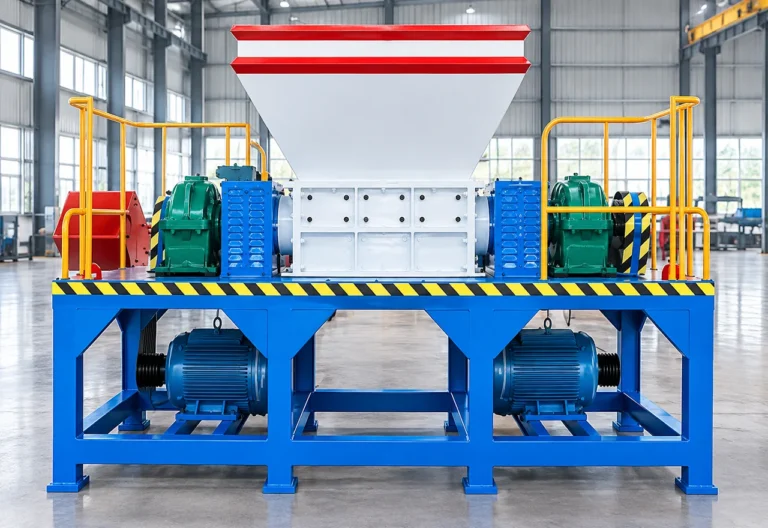
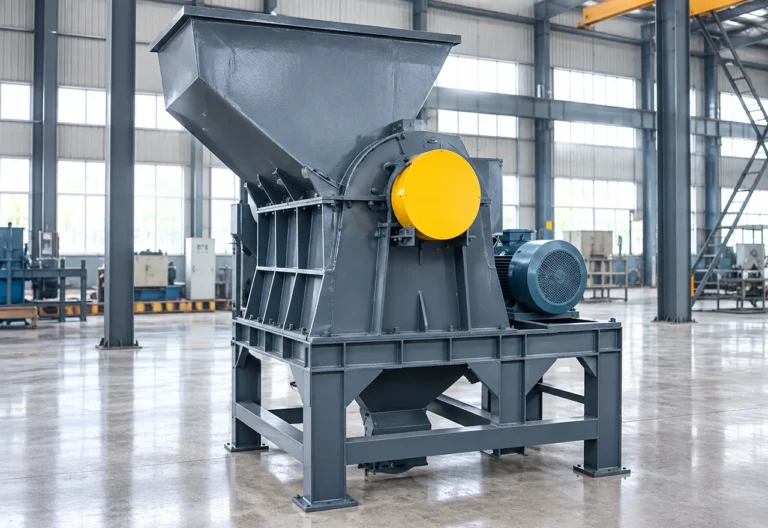
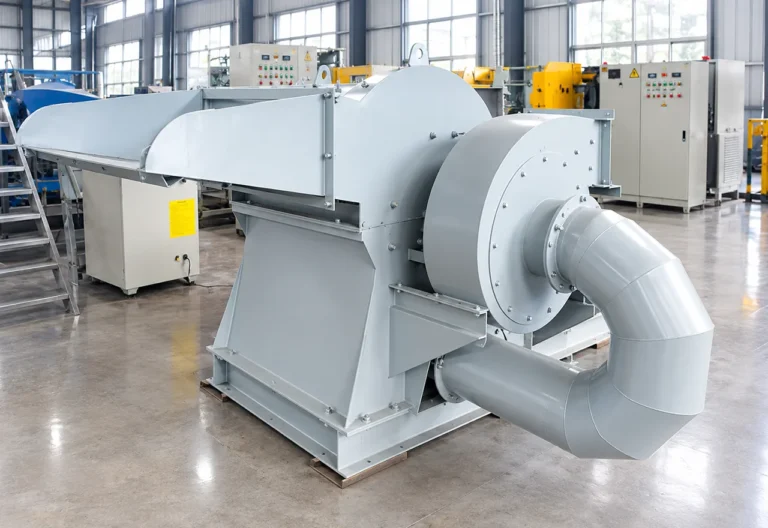
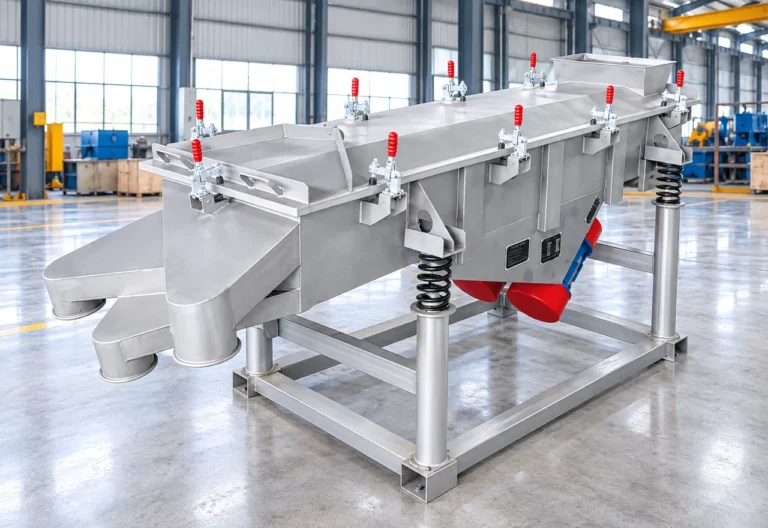
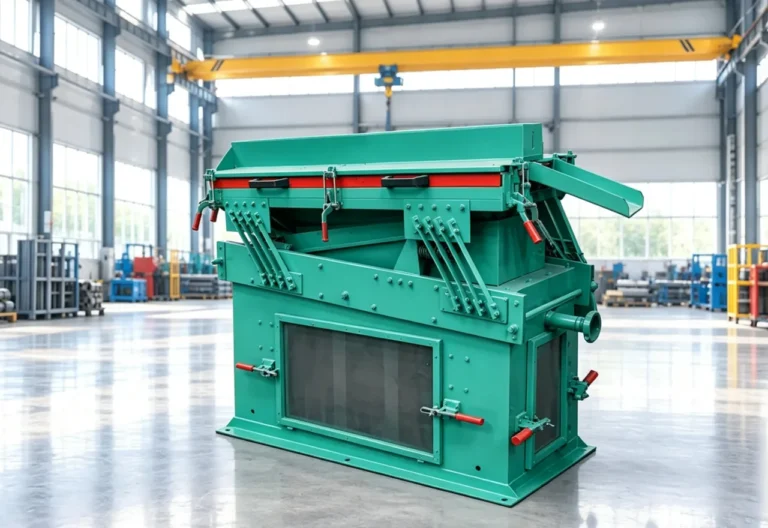
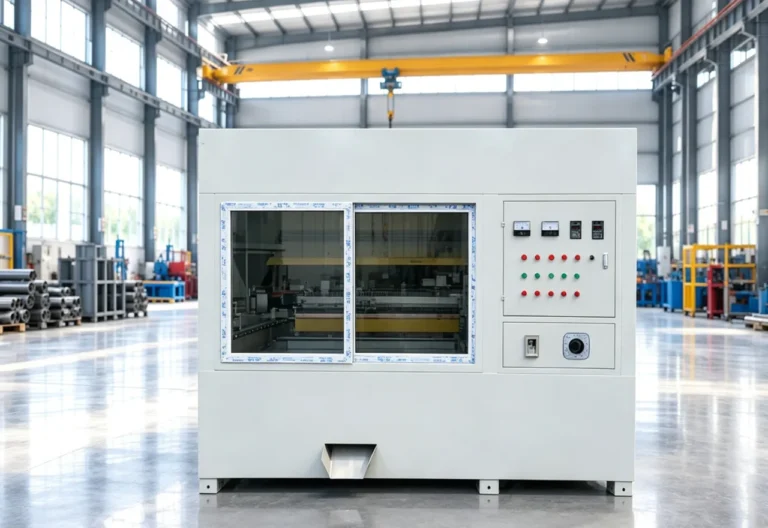
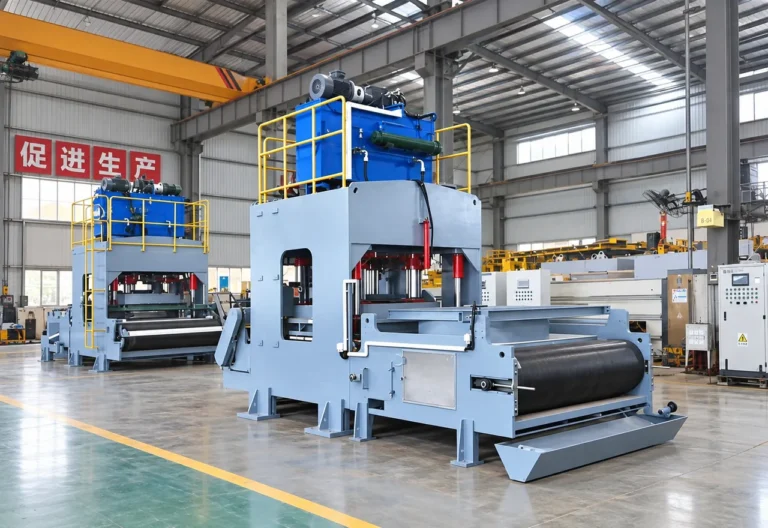
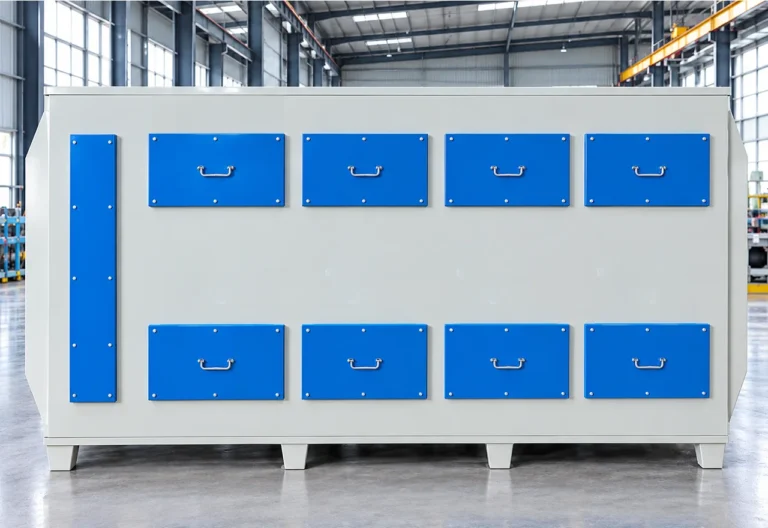
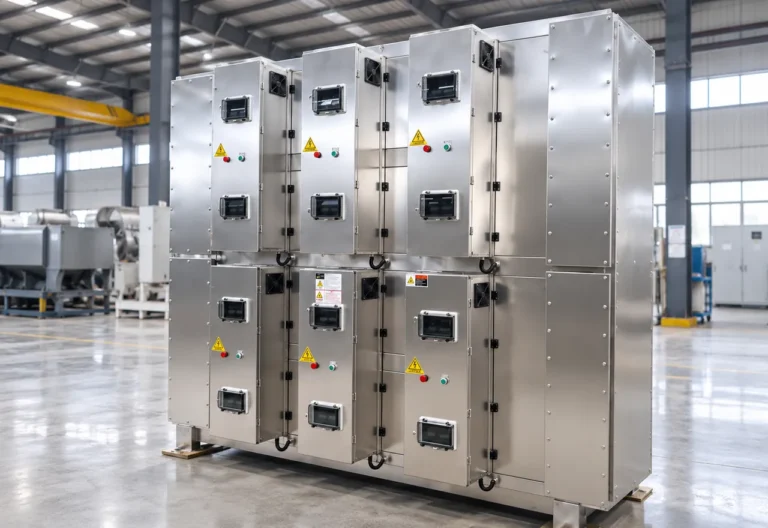
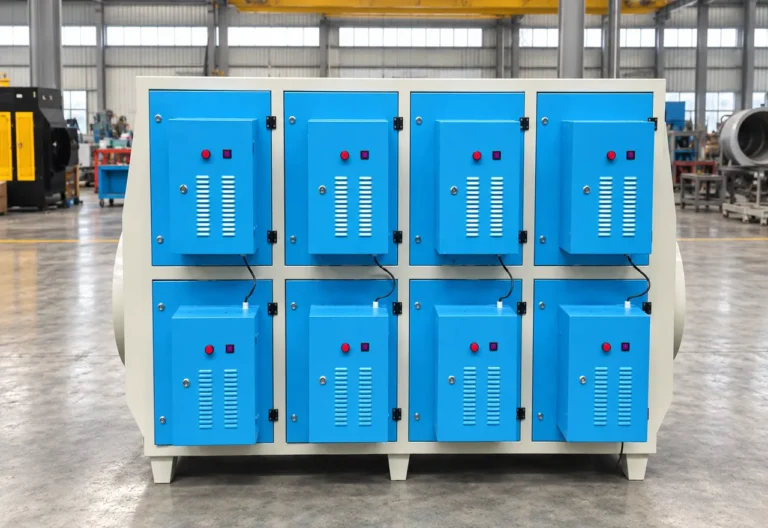
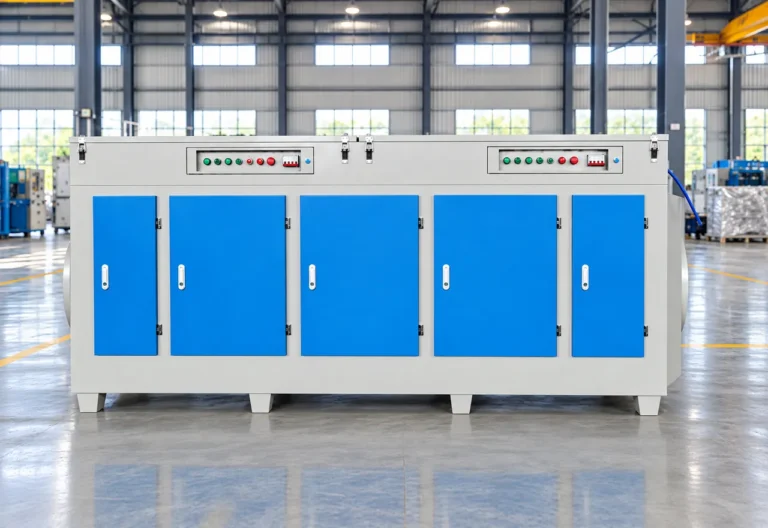
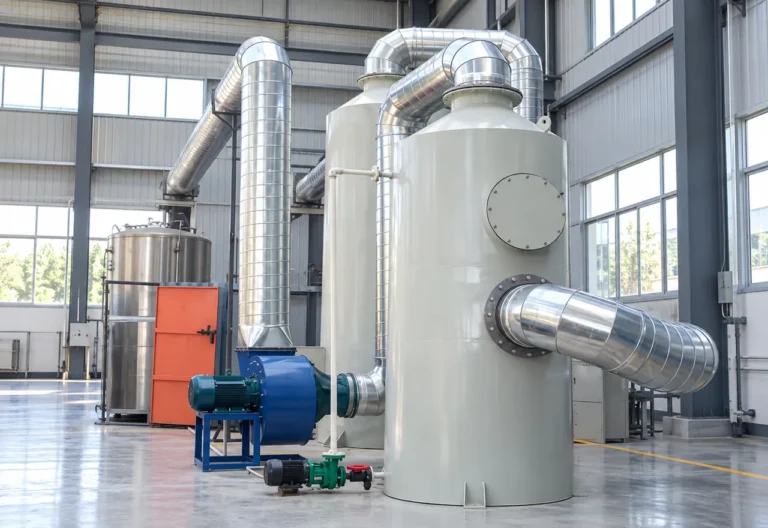
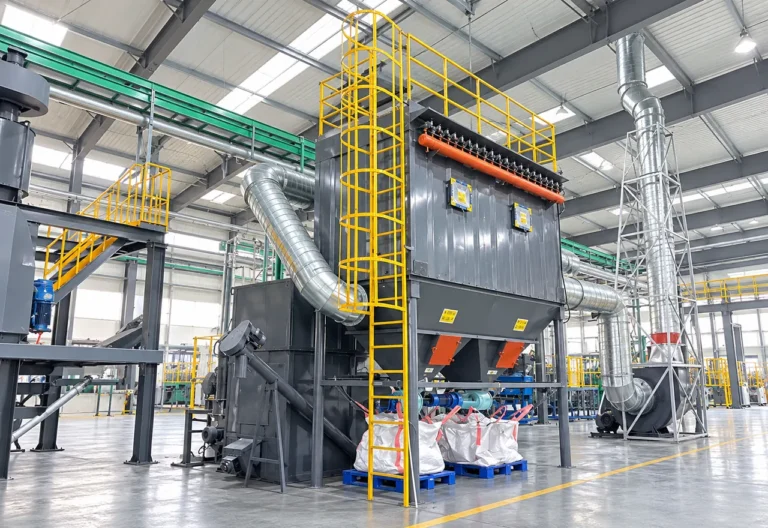
Final equipment configuration is determined by feedstock condition, required capacity, target outputs and site-specific process requirements.
05 / Technical Parameters
Technical Parameters
Key operating parameters are configured according to feedstock condition, required throughput, target recovered fractions and site-specific project requirements.
Technical parameters will appear here once added.
06 / Output Quality
Recovered Material Quality
Recovered material quality depends on battery chemistry, feedstock condition, preprocessing route and production-line configuration. Representative material testing is recommended when defining final recovery targets.
Output quality cards will appear here once added.
07 / Safety Engineering
Integrated Safety for Lithium Battery Processing
Safety measures and protection functions are configured according to the actual process design, feedstock characteristics and project requirements.
Controlled Feeding
Stable feed management reduces sudden load changes and helps maintain safer, more consistent line operation.
Temperature Monitoring
Critical operating points can be monitored for abnormal temperature conditions during processing.
Inert Gas Protection
Optional nitrogen-based protection can be integrated into configurations requiring controlled oxygen levels.
Negative Pressure
Controlled extraction helps reduce the escape of dust and process gases from enclosed processing zones.
Fire / Explosion Protection
Project-specific detection, suppression, isolation or pressure-relief measures can be configured according to process risk.
PLC Interlocks
Automatic interlocks and shutdown logic support safer operation when abnormal conditions are detected.
08 / Environmental Control
Dust & Exhaust Treatment Integrated Into the Line
Environmental control should be presented as part of the process system, not as an unrelated add-on.
Dust Collection
Process dust can be captured through cyclone and pulse-jet filtration modules.
Scrubbing
Wet scrubbing can be configured where gas conditioning is required.
Adsorption / Purification
Activated-carbon or other purification modules can be added according to exhaust characteristics.
09 / Real Project Case
Real Project Case
A real-world project example showing how the production line can be configured around feedstock, capacity and site requirements.
Representative Production Line Project
This project example illustrates how the main equipment, conveying, separation and environmental-control modules can be integrated into one coordinated production line.
Project layouts, equipment configurations and performance parameters vary according to feedstock, site conditions and production requirements.
10 / FAQ
Common Questions Before Project Evaluation
FAQ items will appear here once added.
11 / Request a Technical Proposal
Request a quote
Provide representative material, required capacity, target outputs, site country, utilities and planned operating hours.
You can also upload material photos, equipment images, plant layouts or technical documents.